Plant Health Care
Emerald Ash Borer Treatment in Lawrence and Topeka
Protecting healthy ash trees from EAB, which is established across northeast Kansas.
- Treatment cycle
- Every 2 years
- Confirmed in Kansas
- 13 northeast counties (K-State)
- Injection cost
- $10 to $15 per inch of trunk diameter
- First found in Kansas
- 2012
What this is
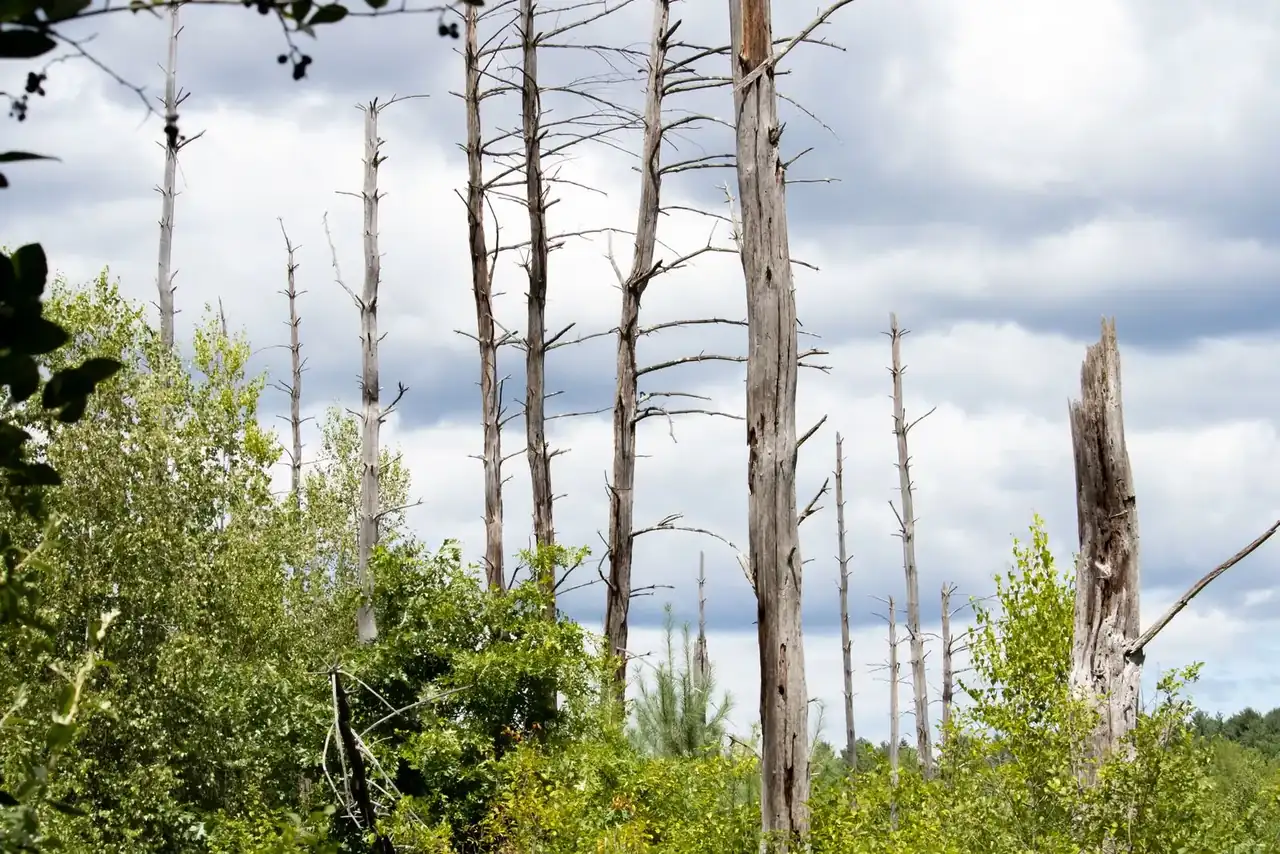
Emerald ash borer has been in Kansas since 2012 and is now established across the northeast counties, including Douglas, Shawnee, Johnson, and Leavenworth. Untreated ash trees die. Treatment works, and it works on a schedule, applied every two years to a tree that still has most of its canopy. Once an ash has lost about half its canopy, treatment stops being worth the money and the conversation turns to removal timing.
What the job includes
- Trunk injection every two years for healthy and lightly affected ash
- Honest assessment of whether a given tree is still worth treating
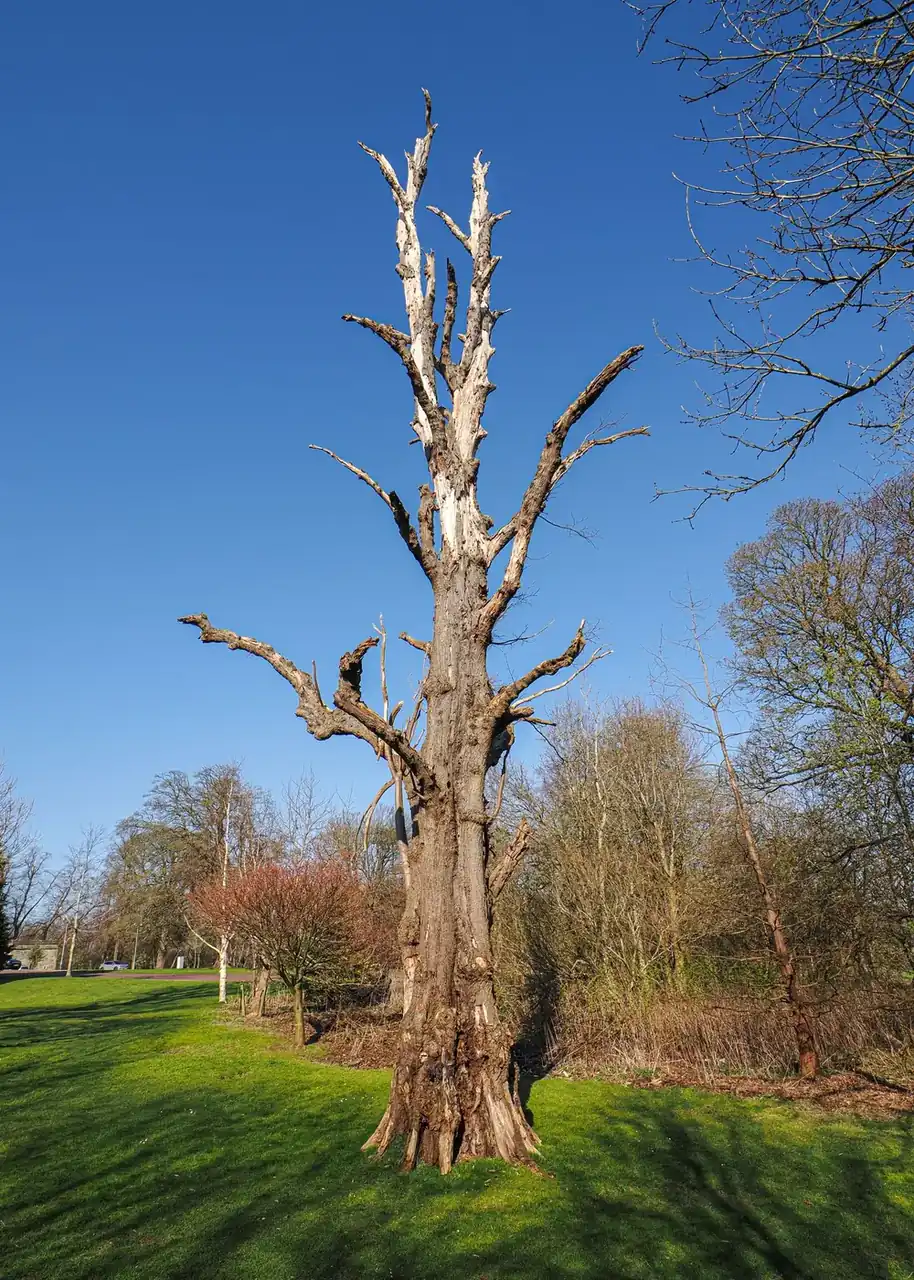
- Removal planning for ash too far gone, before the wood gets brittle
- Applies to green ash and white ash, the two planted everywhere here
Where emerald ash borer stands in northeast Kansas
Emerald ash borer was first found in Kansas in 2012 and is now confirmed in thirteen northeast Kansas counties according to K-State Research and Extension. If you own an ash in Douglas or Shawnee County, the question is not whether the insect reaches your tree. It is whether you are treating the tree or budgeting to remove it.
The adult beetle does almost nothing. The larvae are the problem. They hatch under the bark and tunnel S-shaped galleries through the phloem, the layer that carries sugars from the leaves down to the roots. Enough galleries and the tree is girdled from the inside while the bark still looks intact from the outside.
Green ash was planted heavily across Topeka and Lawrence through the second half of the last century, often as the replacement for the elms lost to Dutch elm disease. White ash shows up in older yards. Both are susceptible, and both are worth identifying before you decide anything, because the ash nobody knew was an ash is the one that surprises the owner in year four.
How to tell whether your ash is infested
Work this list from the top of the tree down. Emerald ash borer kills from the top because the larvae start in the upper trunk and branches where the bark is thinner, and the canopy dies back in that same order.
By the time you can see exit holes from the ground, the tree has usually been infested for several years. That does not automatically mean it is too late, but it does mean the clock has been running longer than you thought.
- 1 Look at the top third of the canopy in mid summer. Thinning that starts at the top and works down is the signature
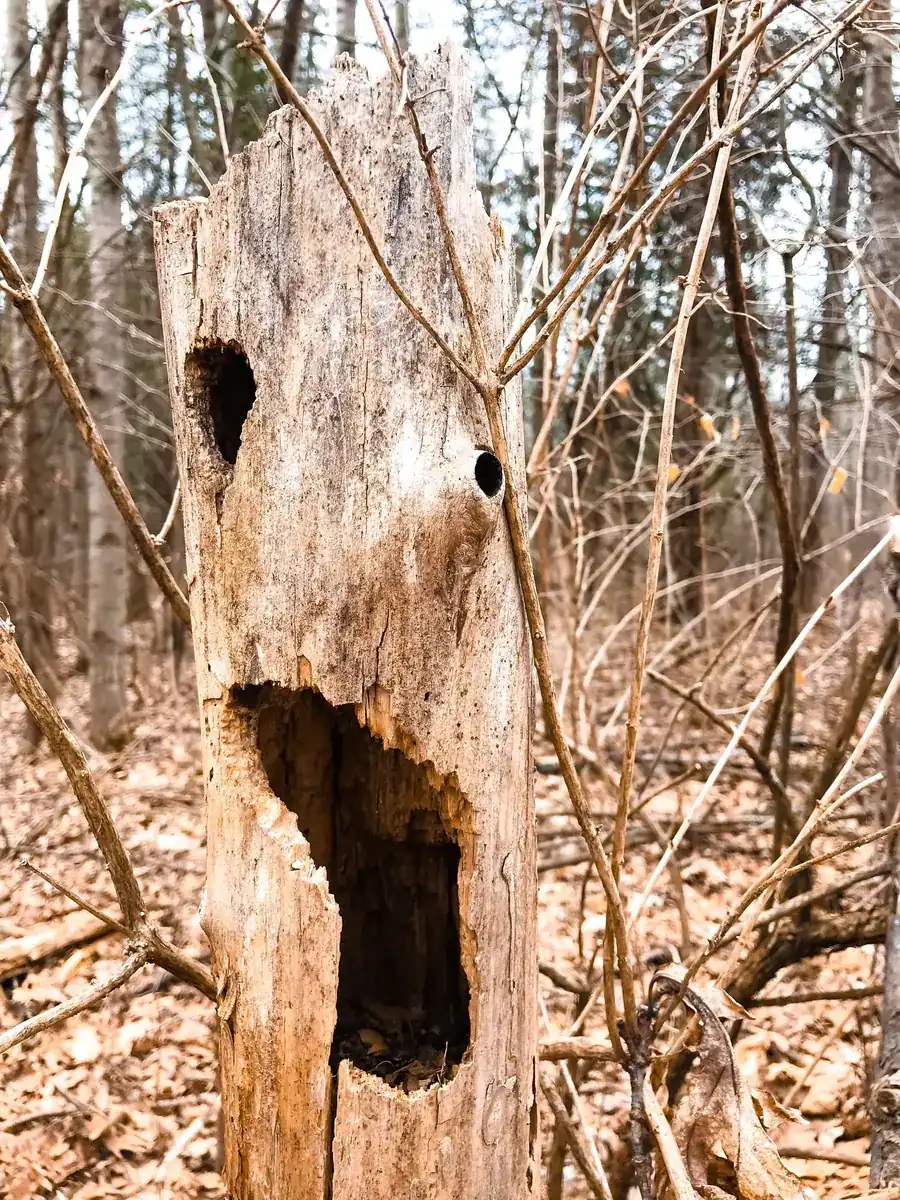
- 2 Check the trunk and larger limbs for D-shaped exit holes about an eighth of an inch across, flat on one side
- 3 Look for epicormic sprouts, meaning shoots coming straight out of the trunk or the base, which is the tree trying to grow leaves below the damage
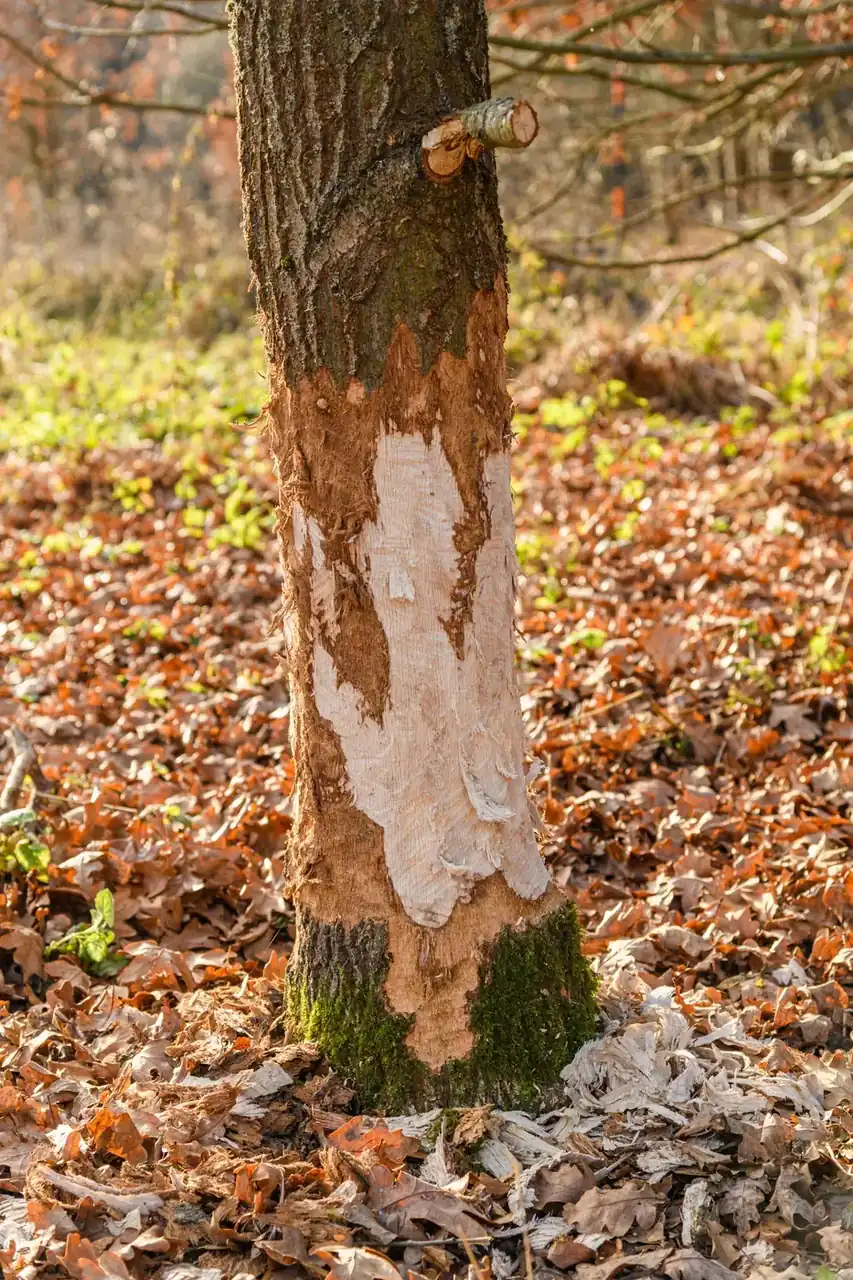
- 4 Check for woodpecker blonding, patches where woodpeckers have flaked off the outer bark chasing larvae and left the trunk looking pale
- 5 Peel a piece of loose bark on a dying limb and look for S-shaped galleries packed with frass underneath
- 6 Estimate what share of the canopy is gone, since that number drives the treat or remove call
- 7 Find every other ash on the property and run the same check on each one
How trunk injection works and why it repeats
Treatment is a systemic insecticide injected directly into the trunk at the base, where the tree's own vascular system carries it up into the canopy. Larvae feeding under the bark take it in with the tissue they are eating. Injection puts the product inside the tree rather than into the air or the soil, which matters on a property with a vegetable garden, a well, or pollinator plantings.
A trunk injection lasts about two years. Then it needs doing again, and it needs doing again for as long as you want the tree. This is not a one time cure, and anyone presenting it that way is either misinformed or selling. An ash on treatment is an ash on a maintenance schedule, the same way a roof is on a replacement schedule.
Dose scales with trunk diameter, because a twenty inch ash holds roughly twice the wood of a ten inch ash and needs roughly twice the product. HomeGuide puts trunk injection at $10 to $15 per inch of trunk diameter, or $75 to $250 per tree, with a single treatment lasting one to two years. That is a national planning figure, not a quote on your tree.
- Injected at the root flare into vascular tissue, not sprayed and not soil drenched
- Repeats on a two year cycle for as long as the tree is being kept
- Dose set by trunk diameter measured at chest height
- Best applied in spring through early summer, when the tree is actively moving water
The thirty and fifty percent decision
The rough industry threshold is straightforward. Under about thirty percent canopy loss, treatment is usually worth it and the tree generally holds. Between thirty and fifty percent it is a judgment call that depends on the tree's value, its position, and how vigorous the remaining canopy looks. Above about fifty percent, treatment is money spent on a tree that is not coming back, and the conversation should turn to removal timing.
The reason to be blunt about that line is that the tree does not pause while you think it over. An ash that crosses fifty percent this July will be considerably worse next July, and the cost of dealing with it climbs as it goes.
Value is a real part of the calculation and it is yours to weigh. A thirty inch green ash shading the west side of your house is worth treating indefinitely. A twelve inch ash in the back corner of the lot with nothing under it is usually worth removing now and replanting with something that does not need an injection every other year.
Why waiting on a dead ash costs real money
Dead ash does not behave like other dead hardwood. It goes brittle fast, and the wood loses the ability to hold a climber or take the shock loading of a rigged limb. A green ash that could have been climbed and dismantled in a day two years ago becomes a tree that has to come out from a bucket or a crane, with a bigger crew and a longer day.
That difference lands directly on the invoice. Angi puts a crane requirement at roughly $500 and up in added cost, and difficult access adds another 25 to 50 percent on top of that. A removal that was routine while the tree was alive can become one of the more expensive jobs on a residential property once it is dead and brittle.
Decide before the tree decides for you. If you are removing it, remove it while it can still be climbed. If you are treating it, start while the canopy is still mostly there.
What treatment costs and how to plan the budget
Budget by diameter. HomeGuide's $10 to $15 per inch of trunk diameter is the most honest way to project a treatment cycle, because it is how the work is actually quoted and it scales with the tree. Run a tape around the trunk at chest height, divide the circumference by 3.14, and you have your diameter.
Treating several ash on the same visit costs less per tree than treating them one at a time, since most of the cost of a visit is the visit. Streets in Lawrence and Topeka planted with a row of ash sometimes coordinate treatment across several properties for exactly that reason.
We will tell you when a tree has crossed the line and stopped being worth treating. Selling a two year injection cycle on an ash that is sixty percent gone is easy money and we do not take it.
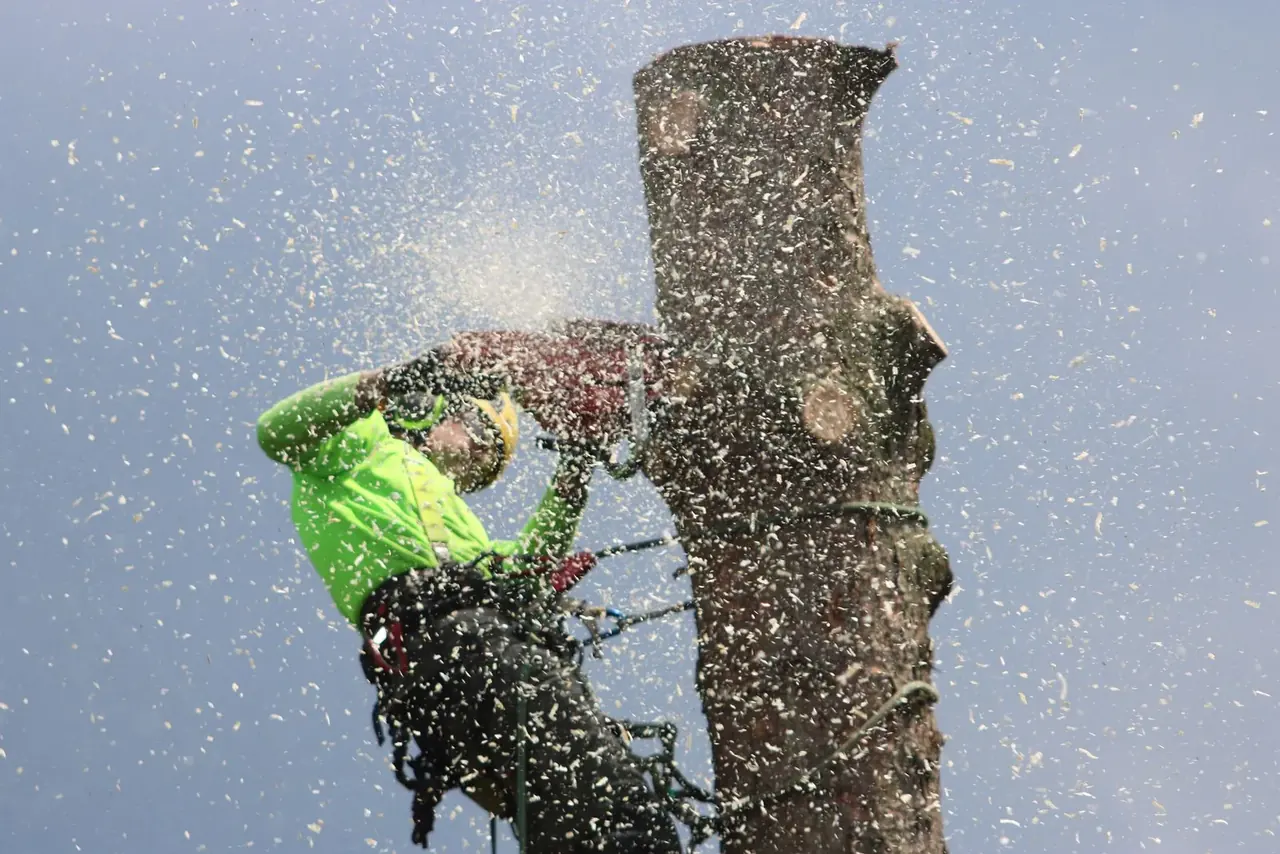
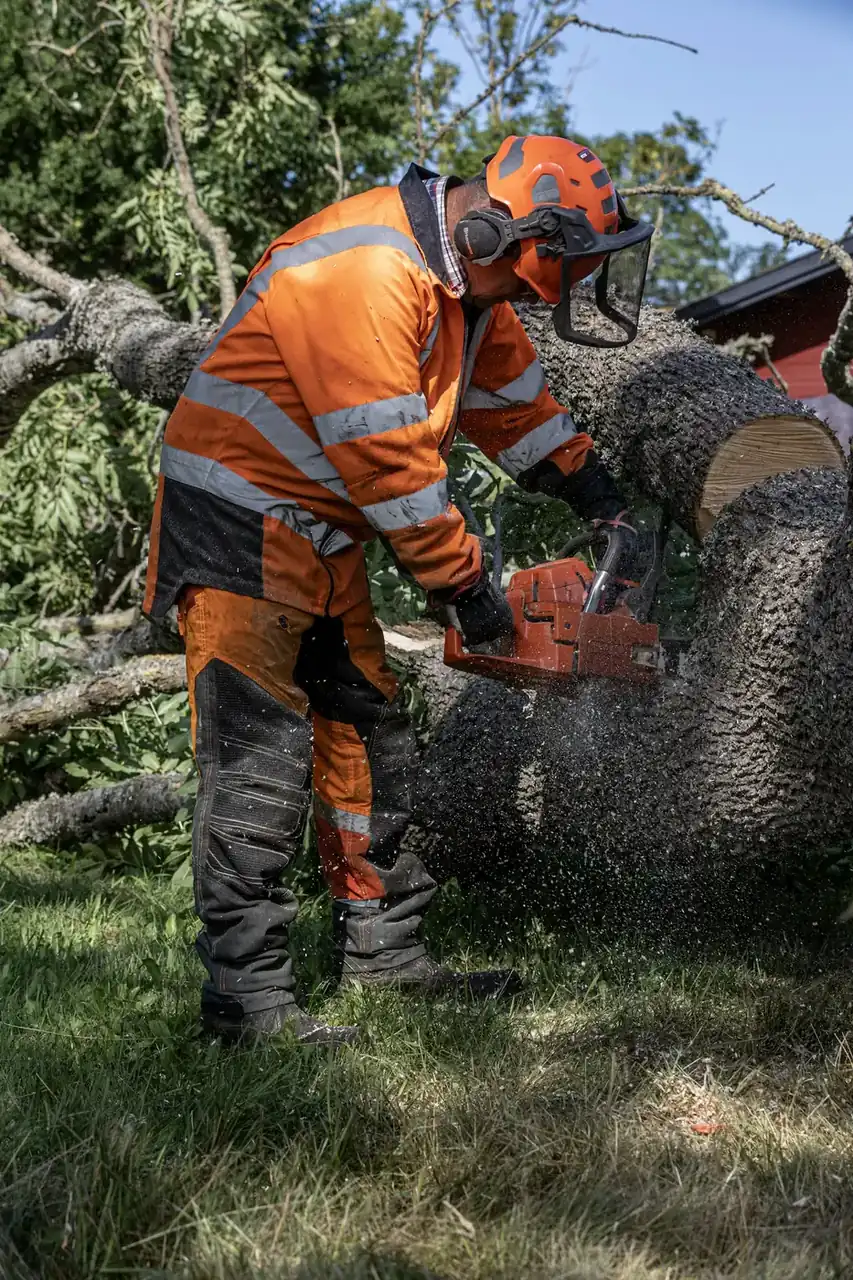
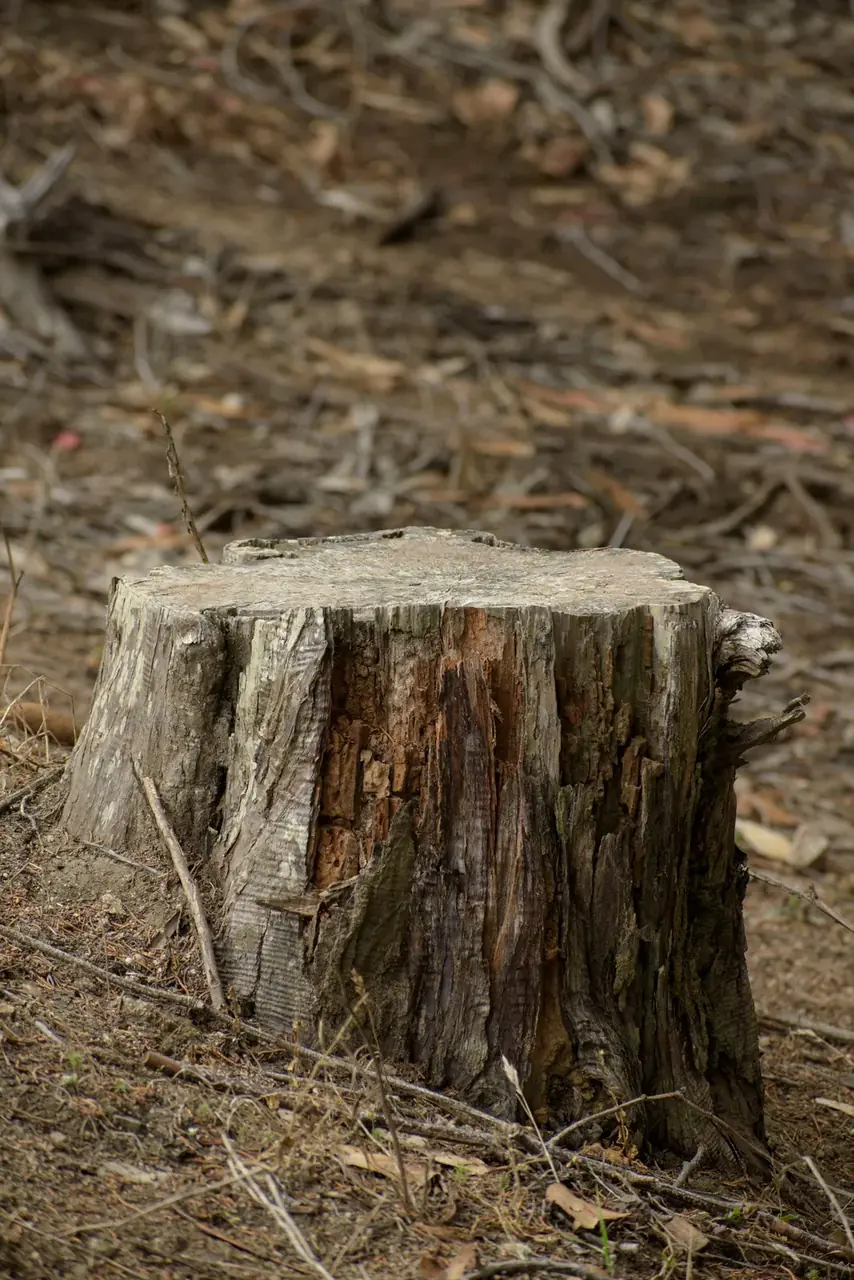
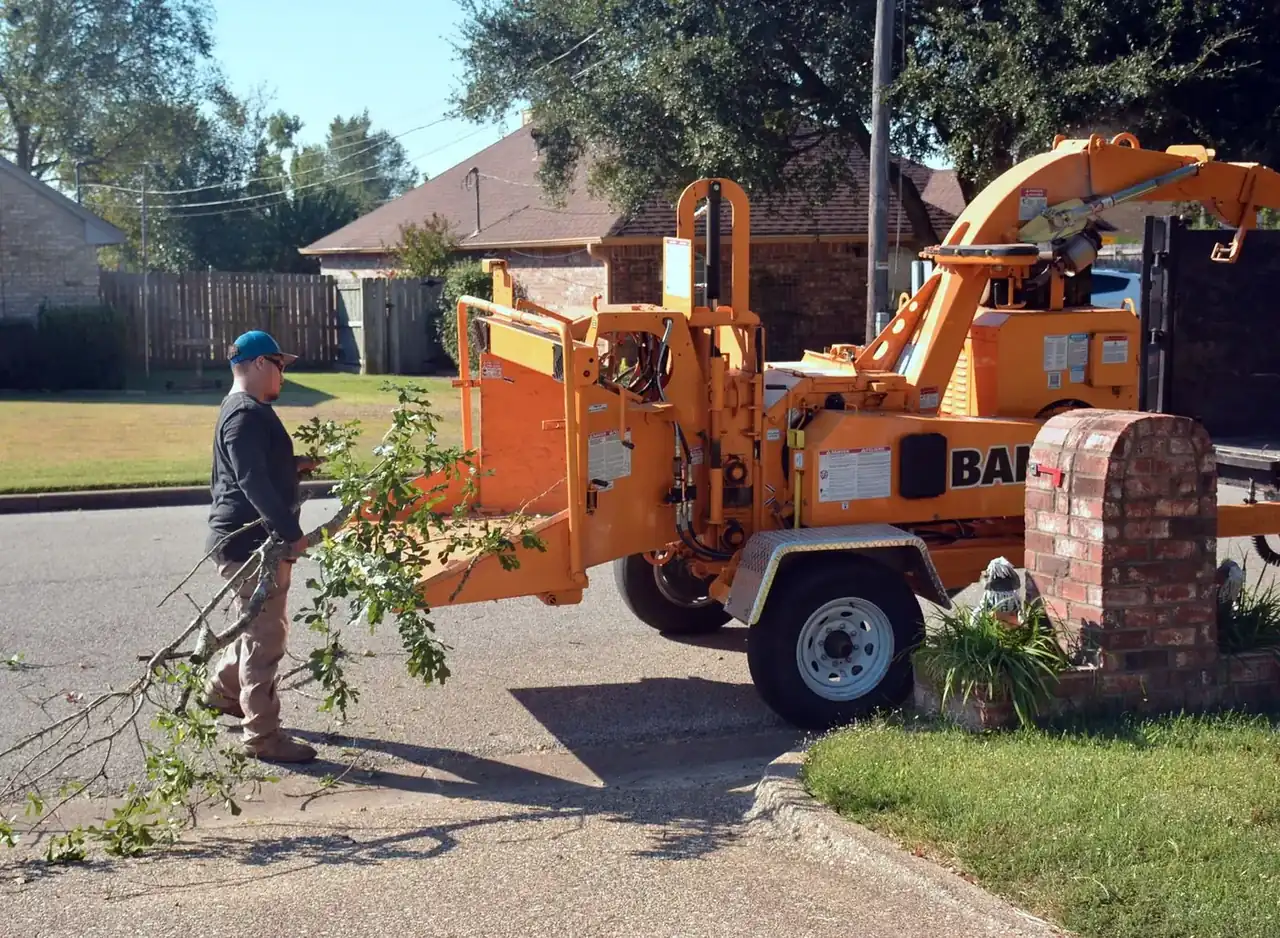
Emerald Ash Borer Treatment in progress
Representative of the work. Real job photography replaces these as the crews document jobs.
What this costs and how long it takes
Trunk injection runs roughly $10 to $15 per inch of trunk diameter, or about $75 to $250 for a typical yard tree
HomeGuide. Per-inch is how the industry actually quotes it, which is why a 30 inch ash costs several times what a 10 inch one does. Treatment repeats every two years.
These are published cost ranges for Kansas and national industry averages, not a quote. Every tree is different, and the only way to know what yours costs is a free on-site look.
What moves it up or down
- Hard access or a tight spaceadds 25 to 50 percent
- Several trees on one visitsaves 10 to 25 percent per tree
- Peak season, summer into falladds 10 to 20 percent
- A crane is requiredadds $500 or more
- Same-day emergencyup to two or three times standard rate
- Permit, where one is needed$60 to $450
Emerald Ash Borer Treatment questions
How do I know if my ash has emerald ash borer?
Thinning that starts at the top of the canopy and works down, D-shaped exit holes about an eighth of an inch across, sprouts coming straight off the trunk, and heavy woodpecker activity stripping the bark pale. Peel loose bark on a dying limb and you will find S-shaped galleries underneath. By the time exit holes are visible from the ground, the tree has usually been infested for a few years.
Is it worth treating, or should I just remove it?
Treat if the tree still has most of its canopy and it is a tree you want. Under about thirty percent canopy loss, treatment usually works. Above about fifty percent it does not, and the money is better spent on removal and replanting. Between the two it depends on the specific tree, which is what an assessment is for.
How often does treatment need to happen?
Trunk injection lasts about two years, so every other year for as long as you want the tree. It is a maintenance schedule, not a cure. Stop, and the protection lapses and the borers go back to work.
What does treatment cost?
HomeGuide puts trunk injection at $10 to $15 per inch of trunk diameter, or $75 to $250 per tree nationally. Dose scales with diameter because a bigger tree holds more wood. Treating several ash on the same visit lowers the per tree cost.
Is the insecticide safe around my garden and pets?
Trunk injection puts the product inside the tree's vascular system rather than into the air or the soil. There is no spray drift and no soil drench moving toward a well or a vegetable bed. That is the main reason we inject rather than spray for this pest.
My ash looks perfectly healthy. Should I treat it anyway?
In the confirmed counties, yes, if it is a tree you want to keep. Preventive treatment on a full canopy is the version that works best and costs least per year of tree kept. Waiting until symptoms are visible means starting from a tree that has already lost part of its crown.
Can I treat the tree myself with something from the hardware store?
Soil drench products sold to homeowners exist and they work poorly on larger trees, because the tree has to pull enough product up through a root system that may already be compromised. The injection formulations that hold for two years require application equipment and training. On a small ash a homeowner product may be reasonable. On a mature street tree it generally is not.
What should I plant to replace an ash I am removing?
Something that will not need an injection every other year. Bur oak and chinkapin oak handle Kansas clay and heat well on a large lot. Kentucky coffeetree and hackberry work where there is less room. Do not plant another ash, and do not plant a Bradford pear regardless of what the nursery says.
Request a free estimate
Free, no obligation. We call back within 15 minutes.
Got it.
We call back within 15 minutes during business hours.
That did not send. Call and we will take it down over the phone.
(785) 550-0100Coverage
Lawrence, Topeka, and everything between
We run out of Lawrence and cover 14 towns across 5 counties. If your town is not pinned, call anyway. We are usually closer than you think.
- Home base
- Lawrence, KS
- Storm calls
- 24 / 7
Often booked together
Insect and Disease Control
Treatment for bagworms, borers, scale, and the fungal problems common in Kansas.
Tree Removal
Taking down a tree safely when it is dead, dying, or growing somewhere it cannot stay.
Arborist Consultation
Time with a certified arborist to diagnose a problem or plan work on your trees.
More in Plant Health Care
- Tree Risk Assessment
- Arborist Consultation
- Pine Wilt Treatment
- Insect and Disease Control
- Tree Fertilization and Deep Root Feeding
- Oak Wilt Treatment