Land Services
Brush Removal in Lawrence and Topeka
Overgrown brush, volunteer trees, and undergrowth cut and hauled.
- On site chipping
- $75 to $150 per hour
- Haul off
- $75 to $250 per trip
- Source
- HomeGuide cost data
- Cedar
- Does not resprout
What the job includes
- Fence lines, ditches, creek banks, and neglected corners
- Volunteer elm, mulberry, and honeysuckle cleared out
- Chipped on site or hauled
- Stump treatment on species that resprout
What Counts as Brush Around Here
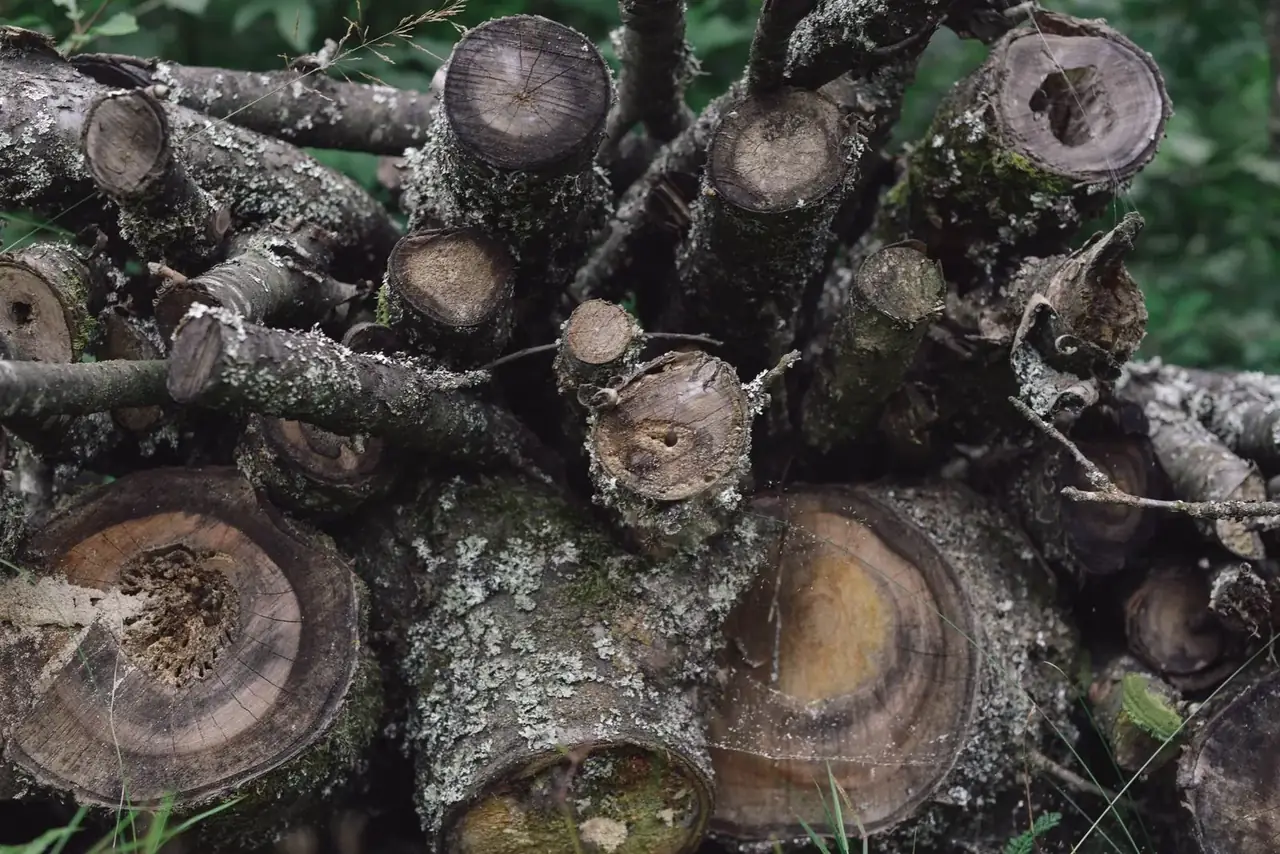
Brush is the material that arrived without anyone planting it. Volunteer Siberian elm along a fence, mulberry seedlings under a bird roost, honeysuckle filling a woodland edge, eastern redcedar coming into the corner of a pasture, and the wall of growth that closed off a ditch or a creek bank while the property changed hands.
It grows the same way every time. A strip of ground stops getting mowed, grazed, or burned. Birds seed it. Two or three seasons later it is a thicket, and by year five it has stems thick enough that a brush hog will not touch it. Most of the calls we get are at year eight, when somebody finally wants the ground back.
The work is straightforward and the pricing is honest as long as two questions get answered first: does the material get chipped on site or hauled away, and do the stumps get treated. Skip either question and you get a bid that looks cheap and a property that looks the same again in three years.
- Fence lines, ditches, creek banks, treelines, and neglected corners
- Volunteer elm, mulberry, hackberry, honeylocust, and bush honeysuckle
- Eastern redcedar coming in from the edges of pasture
- Overgrown property lines and blocked equipment access
- Regrowth on ground cleared once and then left alone
What Comes Back and What Does Not
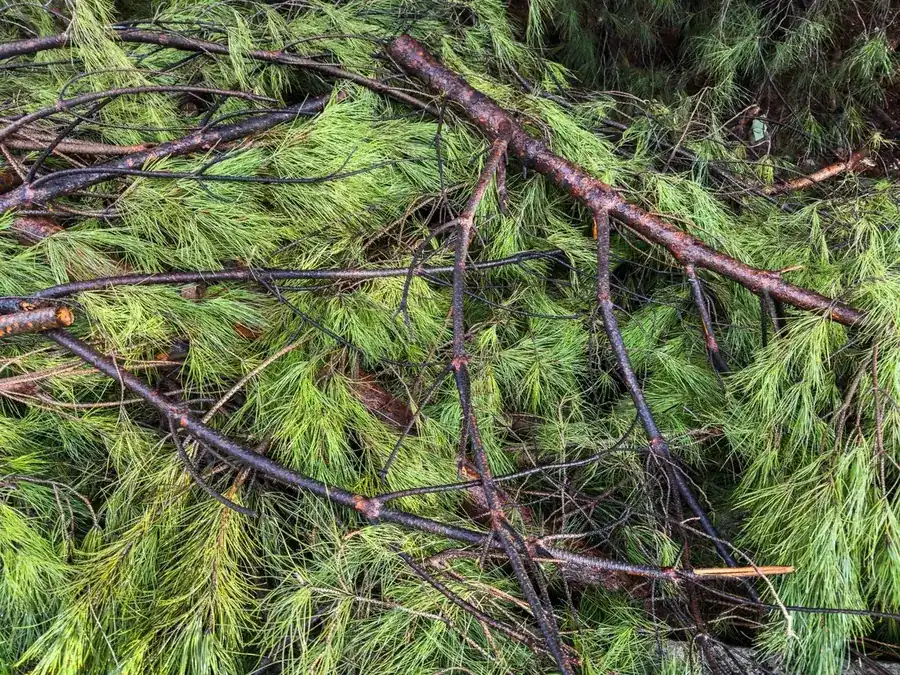
Eastern redcedar does not resprout from a cut stump. Cut it at ground level and it is finished. That single fact makes cedar the cheapest brush to deal with permanently in this region, and it is why cedar-dominated ground can be cleared once and stay clear apart from new seedlings.
Almost everything else here comes back, and comes back harder. An established root system that was feeding twenty feet of top growth is now feeding nothing, so it throws up a dozen fast, straight sprouts from the stump. Siberian elm, hackberry, mulberry, honeylocust, Osage orange, and bush honeysuckle all do this. Cut them and walk away, and in three years the thicket is denser than the one you paid to remove.
The fix is cut stump treatment applied at the time of cutting, within a short window while the cut surface is still fresh. That converts a repeating expense into a one time one. Where treatment is not wanted, the alternative is a planned mowing or cutting pass in the second season while the sprouts are still small enough to handle cheaply.
- Cedar: cut once, done
- Elm, mulberry, hackberry, honeylocust, Osage orange, honeysuckle: resprout vigorously
- Cut stump treatment applied while the cut is fresh is what makes it permanent
- Where treatment is declined, budget a short second season pass
Chip It Here or Haul It Off
Brush has to go somewhere and there are only three destinations: through a chipper, onto a truck, or onto a burn pile. Which one is cheapest depends on how much material there is and how much room you have.
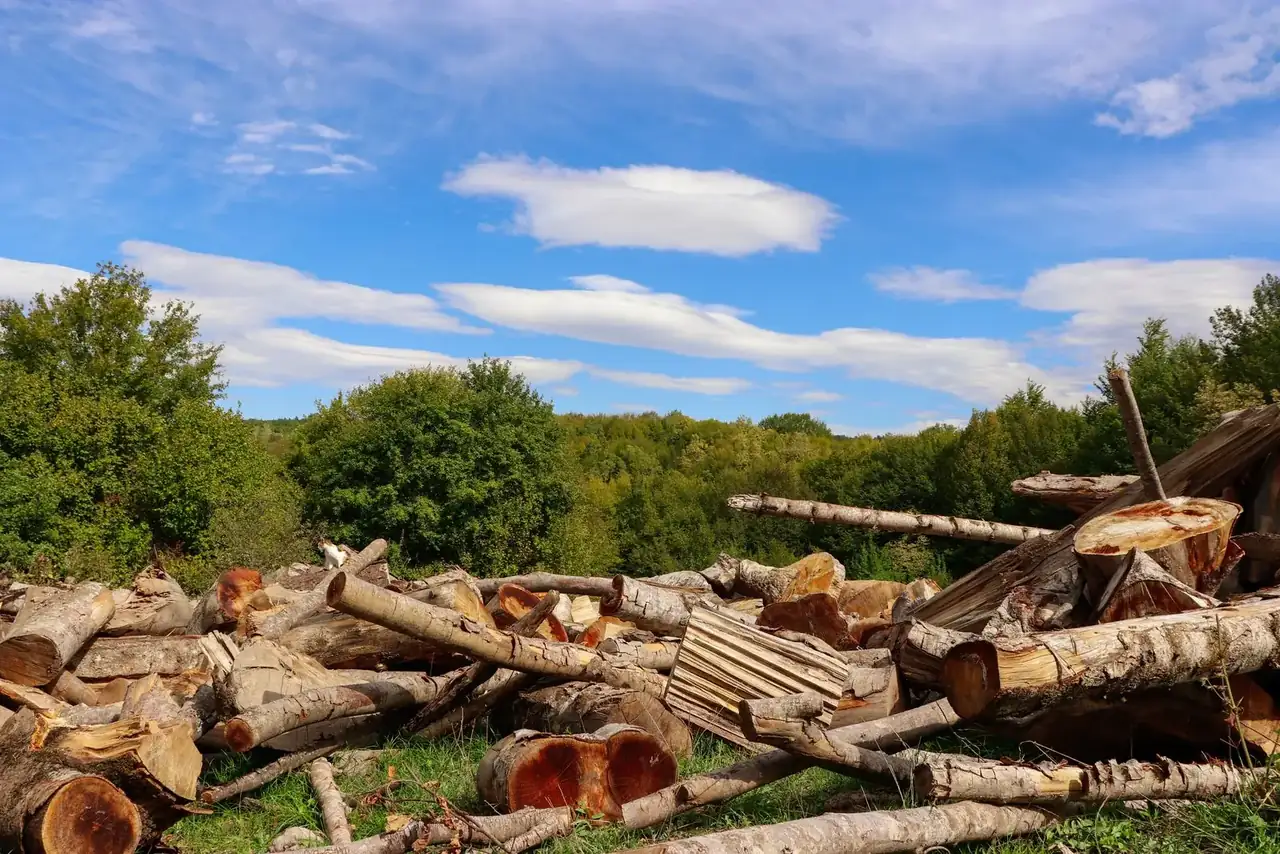
On site chipping runs roughly $75 to $150 per hour according to HomeGuide's cost data, and it produces mulch you can keep. Blown into a treeline, spread on a trail, or piled for garden beds, chips are useful material and keeping them costs nothing. Hauling debris off runs roughly $75 to $250 per trip, again from HomeGuide, and the count of trips is what decides the number. A single overgrown fence line is one trip. A half acre of eight year growth is not.
On larger areas neither is the answer and forestry mulching is, because a mulcher turns standing brush into a ground layer without anything being dragged, loaded, or trucked. The rough dividing line is whether the crew would spend more time moving the material than cutting it.
- Chipped on site, roughly $75 to $150 per hour per HomeGuide, mulch stays if you want it
- Hauled off, roughly $75 to $250 per trip per HomeGuide, priced by trip count
- Burned where county rules allow it and you have the room
- Mulched in place on larger areas, with nothing hauled at all
Fence Lines, Hedge Rows, and Creek Banks
The three places brush causes actual problems are the three places it is hardest to work. A fence line has wire in it. A creek bank has a drop on one side and usually soft ground. And a hedge row has a century of Osage orange in it with the fence grown into the wood.
Osage orange rows across Douglas, Shawnee, and Jefferson counties were planted as living fence long before anyone strung wire, and the wire came later, stapled to trunks that then grew around it. Cutting brush out of one of those means expecting embedded steel, which ruins saw chain and mulcher teeth, and it means deciding in advance whether the fence is staying. Working carefully around a fence you are keeping is real time. Working through one that is being replaced is a different and faster job.
Creek banks come with a separate consideration. Stripping a bank bare invites erosion, particularly on the drainages that feed into the Kansas River. On those we usually cut the woody material and leave the root systems and the ground cover intact, which holds the bank while still opening the corridor.
- Fence lines cleared with the wire question settled before cutting starts
- Osage orange hedge rows priced separately for embedded steel and dense wood
- Creek banks cleared without stripping the roots that hold the bank
- Equipment access and sight lines restored along boundaries and drives
Stumps, and What You Are Left With
Brush removal does not include stump grinding unless you ask for it. Stems get cut at or near ground level, which is enough for pasture, hunting ground, treelines, and anywhere that is going to be mowed with a rotary cutter rather than a finish mower.
If the ground is going back to lawn, or being hayed, or being tilled, the stumps need grinding below grade and that is separate work with a separate machine. On brush sized material that is usually quick, since the stems are small, but on a large area the count adds up and it belongs in the quote rather than in a conversation afterward.
What most people end up with after brush removal is ground they can see and walk. Whether it stays that way depends entirely on what happens next. Mowed, grazed, or hayed ground stays open. Ground that gets cleared and then ignored is on the same clock that produced the thicket in the first place.
- Stems cut at ground level as standard, stumps left in place
- Grinding below grade quoted separately when the ground is going to lawn or hay
- Cut stump treatment on resprouting species, applied at cutting
- A maintenance pass every year or two is what keeps cleared ground clear
How a Brush Job Runs
Small brush jobs are a crew, saws, and a chipper for a day. Larger ones bring a machine. Either way the sequence is the same and the decisions at the front are the ones that determine what the property looks like in three years.
This is the order the work goes in.
- 1 Walk the area and agree on the boundaries, including where the property line actually is.
- 2 Mark anything buried or fragile: utility lines, old water line, septic lateral, irrigation, and any fence that is staying.
- 3 Flag the woody plants that stay, since a good treeline usually has a few keepers in it.
- 4 Decide the disposal route: chipped on site, hauled, burned, or mulched in place.
- 5 Cut the large stems first and drop them into the open ground rather than deeper into the thicket.
- 6 Clear the small material and feed the chipper continuously, since a chipper standing idle is the expensive part of the day.
- 7 Apply cut stump treatment on resprouting species while the cuts are fresh.
- 8 Rake, blow down, and haul what is leaving, and spread the chips that are staying.
- 9 Set a maintenance interval so the ground does not have to be cleared from scratch a second time.
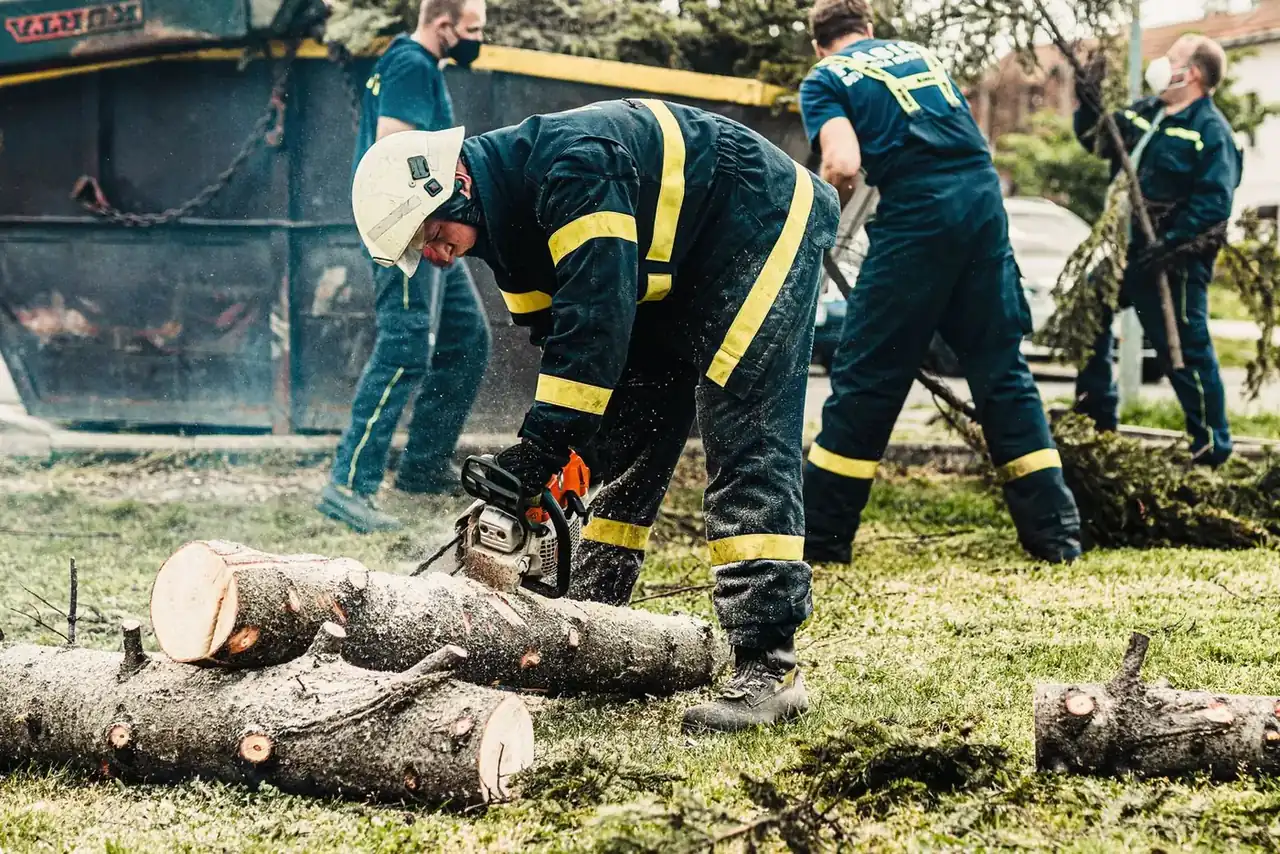
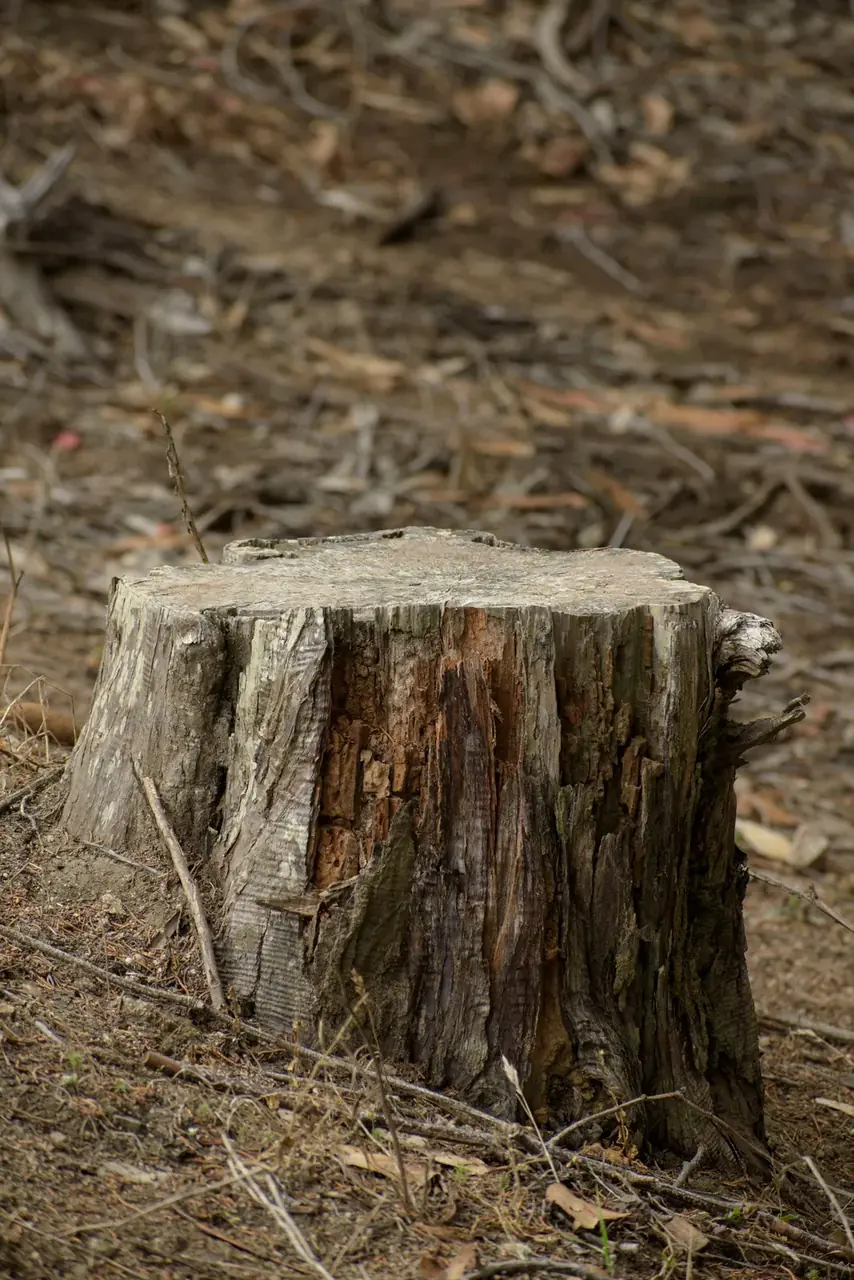
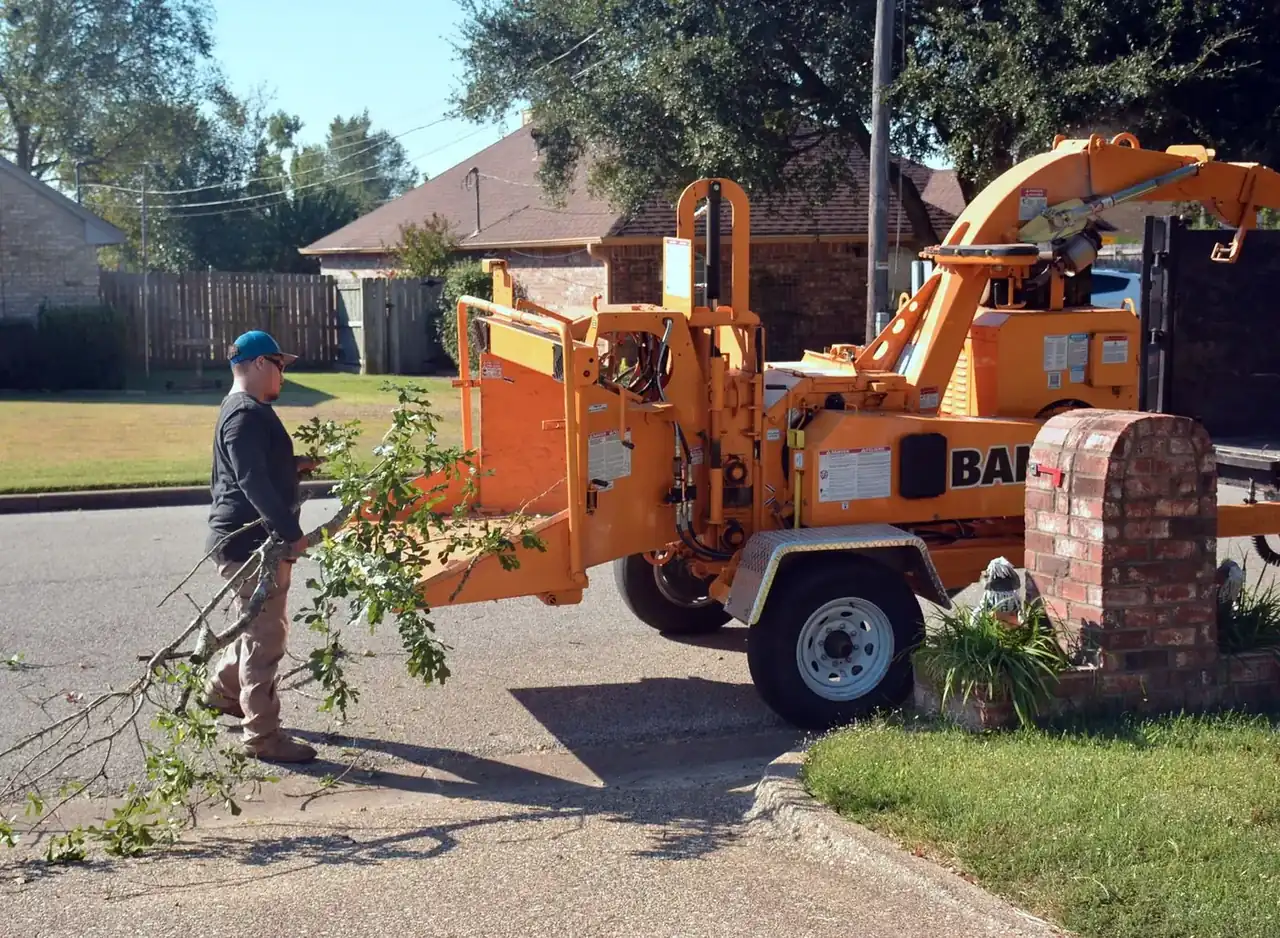
Brush Removal in progress
Representative of the work. Real job photography replaces these as the crews document jobs.
What this costs and how long it takes
$75 to $250 per trip for hauling, or $75 to $150 an hour for chipping on site
HomeGuide and Lawn Love published ranges.
These are published cost ranges for Kansas and national industry averages, not a quote. Every tree is different, and the only way to know what yours costs is a free on-site look.
What moves it up or down
- Hard access or a tight spaceadds 25 to 50 percent
- Several trees on one visitsaves 10 to 25 percent per tree
- Peak season, summer into falladds 10 to 20 percent
- A crane is requiredadds $500 or more
- Same-day emergencyup to two or three times standard rate
- Permit, where one is needed$60 to $450
Brush Removal questions
How is brush removal priced?
By the area and the density for larger jobs, and by the crew day for smaller ones. The two things that move the number most are disposal and stumps. HomeGuide puts on site chipping at roughly $75 to $150 per hour and debris hauling at roughly $75 to $250 per trip, and those are the line items to compare between bids.
Should I chip on site or have it hauled away?
Chip if you have anywhere to put mulch. Blown into a treeline or spread on a trail it costs nothing and does some good. Haul it if the mulch has nowhere to go or the property is going to fine turf. On large areas, mulching everything in place with a forestry mulcher usually beats both.
Will the brush grow back?
Eastern redcedar will not, since it does not resprout from a cut stump. Almost everything else will, and harder than before, because an intact root system is now feeding nothing. Cut stump treatment at the time of cutting stops that. Without it, plan on a short pass in the second season.
Do you grind the stumps?
Not as part of brush removal. Stems are cut at ground level, which is fine for pasture, treelines, and anything mowed with a rotary cutter. If the ground is going to lawn, hay, or tillage, stump grinding is separate work and we quote it as a separate line.
Can you clear a fence line without damaging the fence?
Yes, and it is slower work than open ground. Around here the complication is Osage orange hedge with wire grown into the trunks, which is hard on saw chain and equipment. Tell us before we quote whether the fence is staying, because a fence being replaced makes the job substantially faster and cheaper.
What about honeysuckle?
Bush honeysuckle is one of the worst offenders on woodland edges around Lawrence and Topeka. It leafs out earlier and holds later than the natives, so it shades out everything underneath it. Cutting alone gets you a bushier plant. It needs cut stump treatment or repeated cutting over several seasons.
Can you clear a creek bank?
Yes, with a caveat. Stripping a bank down to bare soil invites erosion, particularly on drainages feeding the Kansas River. We take the woody growth and leave root systems and ground cover in place, which opens the corridor without giving the next big rain something to move.
How often does cleared ground need maintenance?
Every year or two keeps it open cheaply. Ground that gets cleared and then ignored is back on the same schedule that produced the thicket, and clearing it a second time from scratch costs what it cost the first time. Grazing, haying, or a rotary cutter pass is enough.
Request a free estimate
Free, no obligation. We call back within 15 minutes.
Got it.
We call back within 15 minutes during business hours.
That did not send. Call and we will take it down over the phone.
(785) 550-0100Coverage
Lawrence, Topeka, and everything between
We run out of Lawrence and cover 14 towns across 5 counties. If your town is not pinned, call anyway. We are usually closer than you think.
- Home base
- Lawrence, KS
- Storm calls
- 24 / 7
Often booked together
Forestry Mulching
Grinding standing brush and small trees into mulch in place, with nothing hauled off.
Fence Line Clearing
Clearing trees and brush grown into fence lines and property boundaries.
Debris Hauling
Wood, brush, and storm debris loaded and hauled off.