Land Services
Fence Line Clearing in Lawrence and Topeka
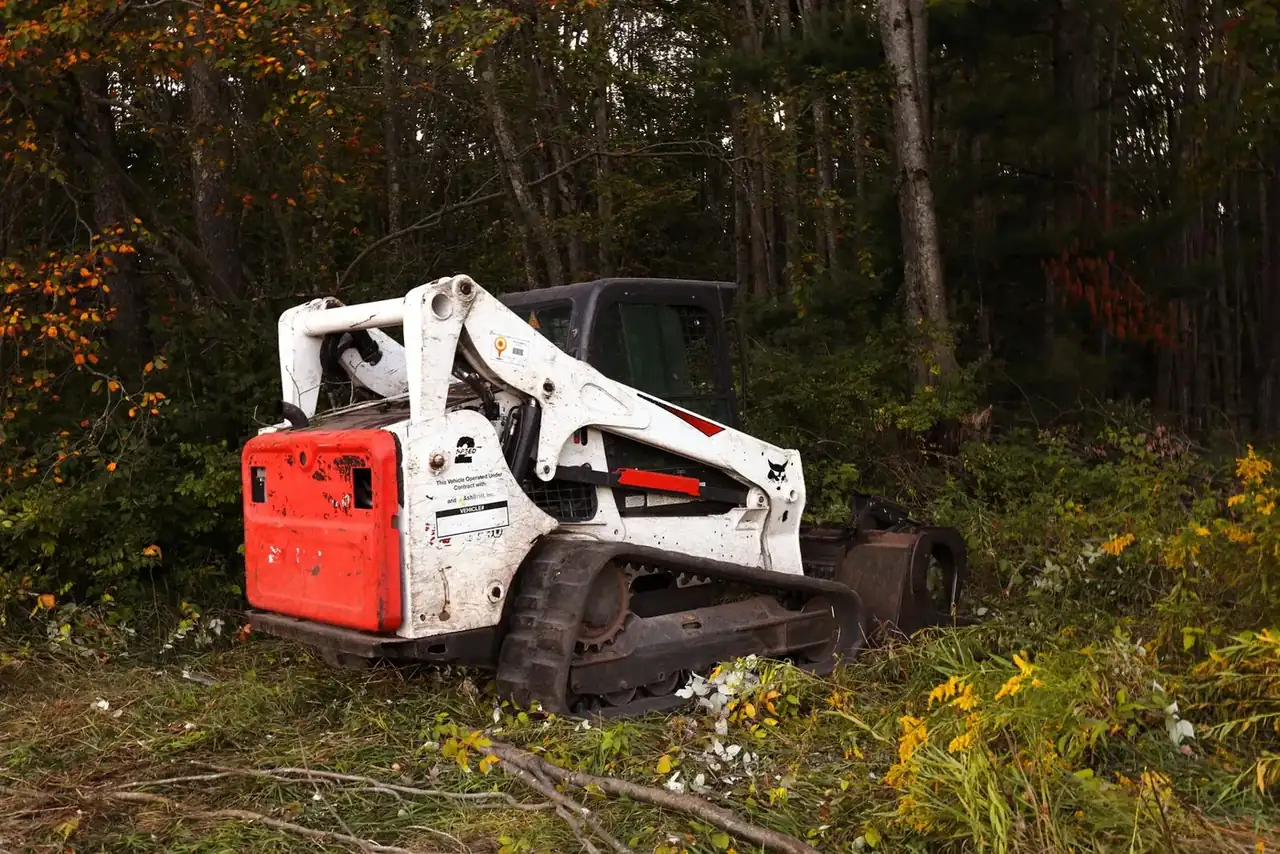
Clearing trees and brush grown into fence lines and property boundaries.
- Clearing rate
- $1,100 to $2,300 per acre in Kansas
- Source
- ProMatcher Kansas cost data
- Hedge rows
- Priced above open ground
- Biggest price lever
- Whether the fence stays
What this is
Osage orange hedge rows across Douglas, Shawnee, and Leavenworth counties were planted as living fence a century before anyone strung wire on them. Now the wire is inside the trees. Clearing a hedge row means cutting material that is grown around the fence without destroying the fence, which is slower work than it looks from the road.
What the job includes
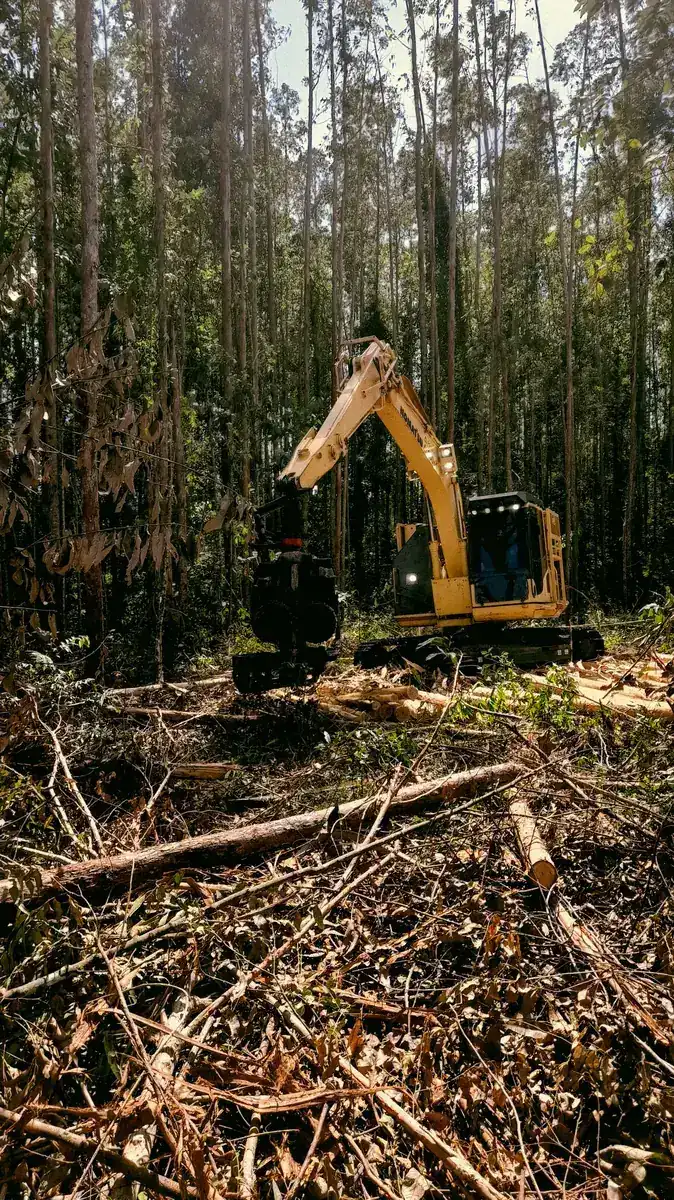
- Hedge rows and boundary lines cleared
- Work done around existing fence where the fence is staying
- Osage orange, cedar, and volunteer growth removed
- Access restored for equipment and livestock
The Wire Is Inside the Trees
Osage orange was planted across Douglas, Shawnee, Jefferson, and Leavenworth counties as living fence, in tight rows, before wire was cheap and common. It is thorny, it is dense, it grows into a hedge that livestock will not push through, and it was the standard answer to fencing this country. Then wire arrived, and rather than build new posts, people stapled it to the trees that were already standing in a line.
A century later the trees have grown around the wire. Strands run through the middle of trunks, staples are buried inches deep, and whole sections of woven wire are enclosed in wood. From the road it looks like a treeline. To a saw it is a treeline with steel in it.
That is the single fact that makes fence line clearing in northeast Kansas slower than it looks and different from clearing open ground. Chain hitting embedded wire is finished in an instant. Carbide teeth on a mulcher are worse, because there are a lot of them and they are not cheap. Any bid on a hedge row that does not mention the wire was written by someone who has not done one.
- Osage orange hedge rows on section lines and property boundaries
- Embedded staples, barbed wire, and woven wire grown into the trunks
- Eastern redcedar established along the fence where nothing was ever mowed
- Volunteer elm, mulberry, and honeylocust filling the gaps between the hedge trees
- Access restored for equipment, livestock checks, and fence repair
Why Fence Lines Fill In First
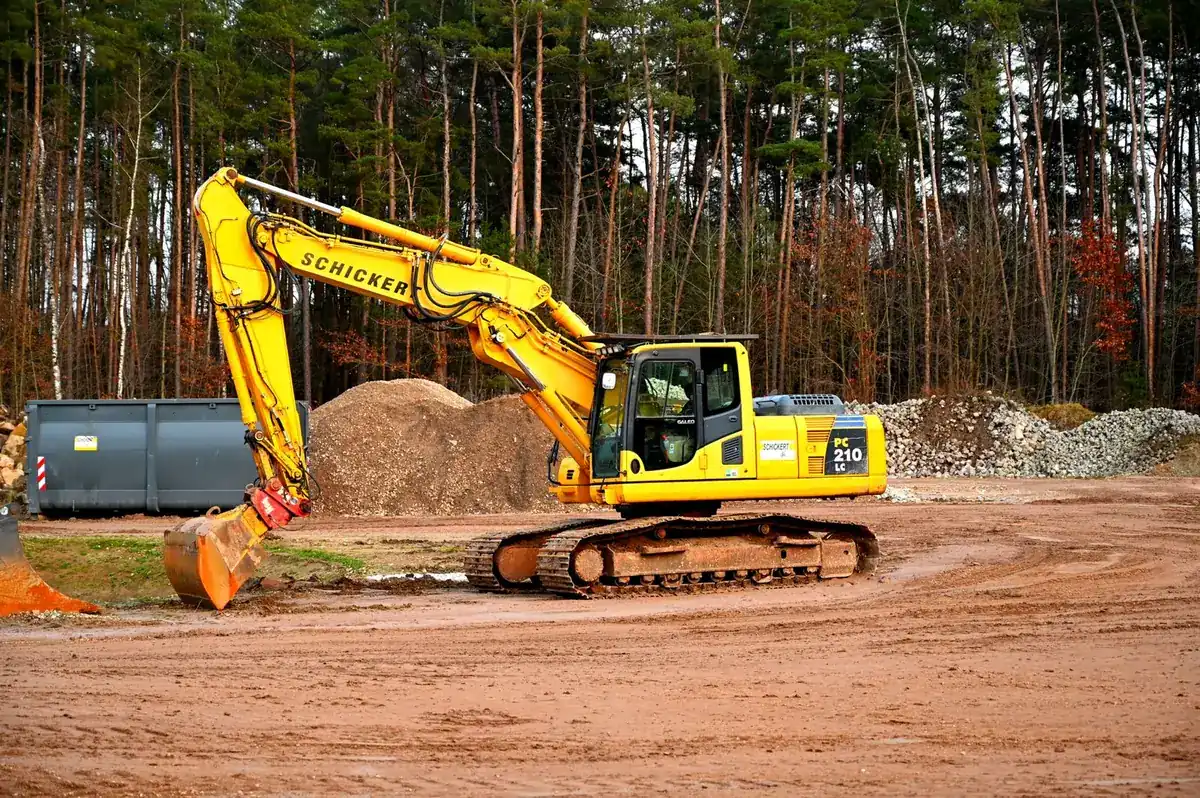
A fence line is the one strip on the property that never gets mowed, never gets grazed hard, and never gets burned. Birds sit on the wire and on the posts, and what a bird eats in one field it deposits on the next fence it lands on. Cedar berries and hackberry seed arrive in a line and germinate in a line.
So the fence row becomes the seed bank for the whole place. Cedar established along a boundary is the source that moves out into the pasture, and clearing the field without clearing the fence line means doing the field again in a decade. Owners who clear in the right order clear the fence rows first.
The practical costs come sooner than that. A grown up fence line means you cannot drive it, cannot see the wire to know it is down, and cannot get a post driver to the section that needs rebuilding. Cattle find the gap before you do.
Is the Fence Staying or Going
This is the question that changes the price more than any other, and it should be settled before anyone quotes.
If the fence is being replaced, the work gets much faster. Wire can be pulled ahead of the machine, the crew is not working inches from something it must not damage, and material can be taken down aggressively. We clear the row, and you have clean ground to build new fence on with a driver that can actually get down the line.
If the fence is staying, it is careful work. The mulcher stays off the wire, material immediately against the fence gets cut by hand and pulled clear, and everything gets removed in a direction that does not drag across the top wire. That takes real time and it is priced that way. It also produces a fence you can still use, which is worth more than the difference on most working ground.
- Fence coming out: wire pulled ahead of the machine, faster and cheaper clearing
- Fence staying: hand work against the wire, machine kept back, priced for the extra hours
- Old fence found buried in the row pulled and removed rather than left in the mulch
- Corner and brace posts flagged so nothing gets pushed on the way through
Mulch In Place or Haul It Off
On a fence row, mulching in place is usually the right answer. There is nowhere convenient to stack material, the strip is long and narrow so hauling means many trips, and a chip layer along a fence line hurts nothing. It also holds soil on the bare strip the clearing leaves behind.
The exception is the wire. Mulching a row that still has old wire lying in it grinds the wire into short pieces and buries them in chips, which is a genuinely bad outcome on ground that carries livestock. Where old wire is present and staying present, we pull it out first or we cut and haul rather than mulch.
Hauling off makes sense on a short section near a house or a drive where you want it looking finished, and where you would rather not look at a windrow of chips. Debris hauling runs roughly $75 to $250 per trip according to HomeGuide, and a long fence row is a multiple trip job, which is exactly why mulching wins on the long ones.
- Mulched in place on long rural rows, with nothing hauled
- Old loose wire pulled and removed before any mulching
- Cut and hauled on short sections near houses, drives, and yards
- Burn piles where county rules allow and there is room to burn safely
Stumps and What Grows Back
Fence line clearing leaves the stumps in the ground as standard. On a working fence row that is normally what you want, since the root systems hold the strip and there is nothing being mowed or tilled along it.
Regrowth is the part to plan for. Cedar does not resprout, so it is gone for good once cut. Osage orange resprouts strongly and so do elm, mulberry, hackberry, and honeylocust, which means a hedge row cut and abandoned is a hedge row again inside a few years, now made of dozens of thin stems instead of a few thick ones. Cut stump treatment at the time of cutting is what prevents that.
Where you are rebuilding fence and want a clean line to drive posts, stumps can be ground below grade along the post line. That is separate work, it is slower in Osage orange than in anything else because of the wood density and the wire, and it should be quoted specifically rather than assumed.
- Stumps left standing as the normal scope
- Cut stump treatment on Osage orange, elm, mulberry, hackberry, and honeylocust
- Cedar needs no treatment, since it does not come back
- Grinding along a new post line quoted separately
How a Fence Line Job Runs
Fence rows are measured in feet and priced against the per acre range for clearing, since a long enough row adds up to real acreage. ProMatcher's Kansas cost data puts land clearing at roughly $1,100 to $2,300 per acre, and a hedge row with wire in it sits at the upper end of that or above it because of the wood density and the equipment wear.
The sequence below is what keeps the fence intact and the machine running.
- 1 Walk the line with you, confirm where the boundary actually runs, and settle whether the fence stays.
- 2 Call utility locates, and mark buried water lines, old service, and anything the locate will not cover.
- 3 Pull and remove loose old wire along the row before any machine starts.
- 4 Flag corner posts, braces, gates, and any tree that is staying.
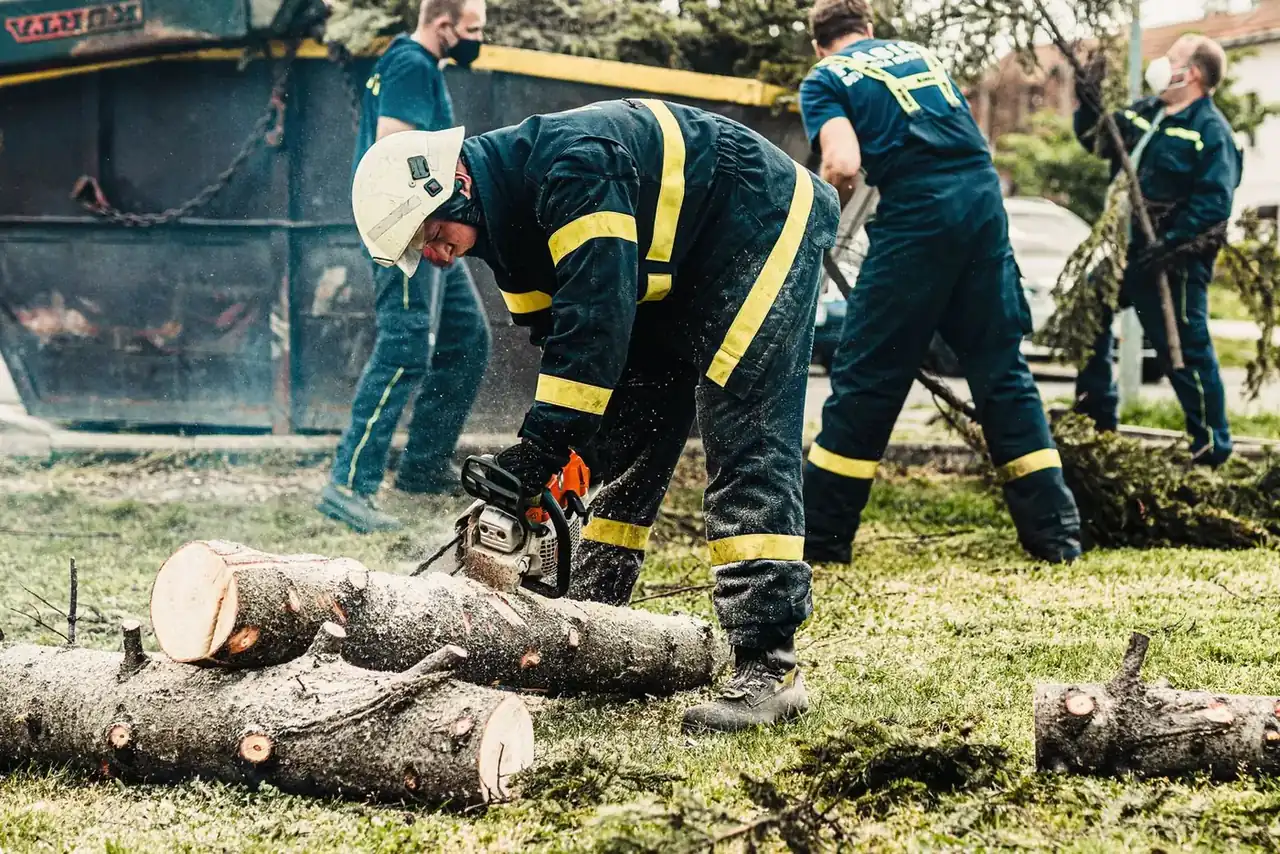
- 5 Fell and remove the large stems with saws and a grapple, working away from the wire.
- 6 Mulch or clear the brush and small material, keeping the machine back off the fence where the fence is staying.
- 7 Hand cut the material tight against the wire and pull it clear by hand.
- 8 Treat resprouting stumps while the cuts are fresh.
- 9 Clean the line, remove any wire pulled out of the wood, and leave the row drivable.
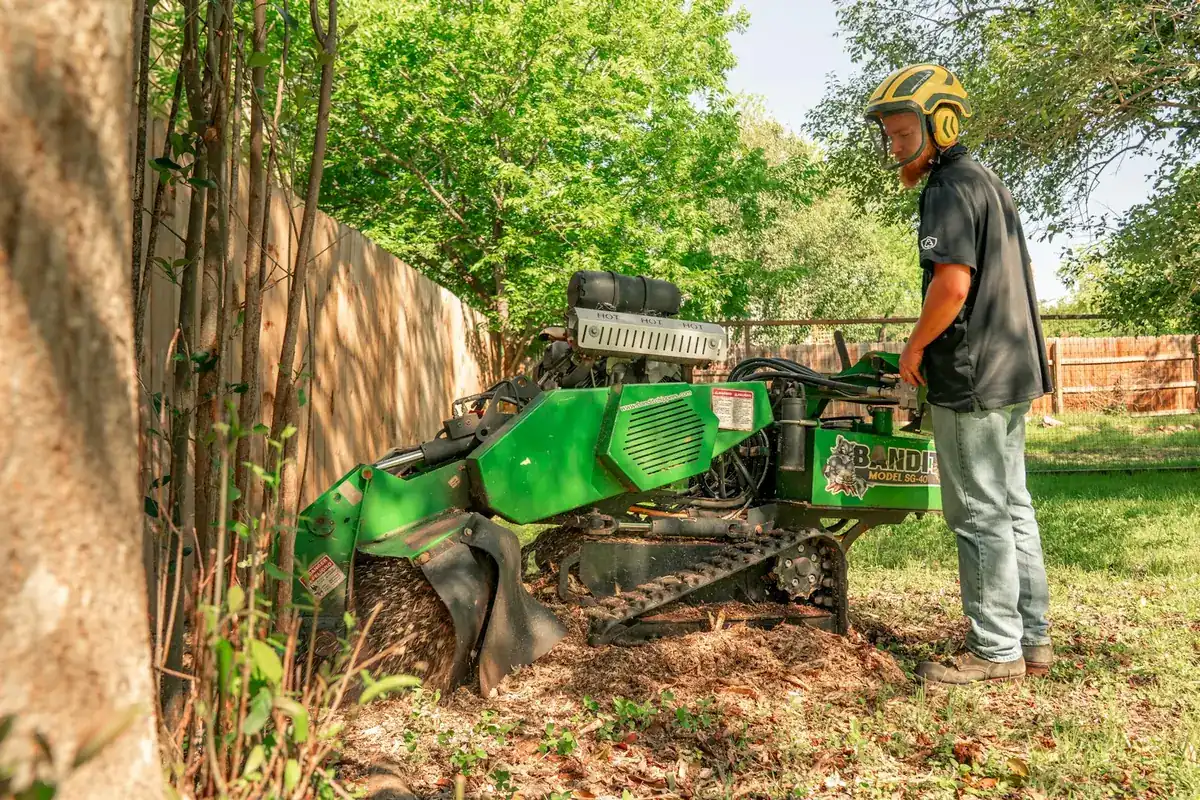
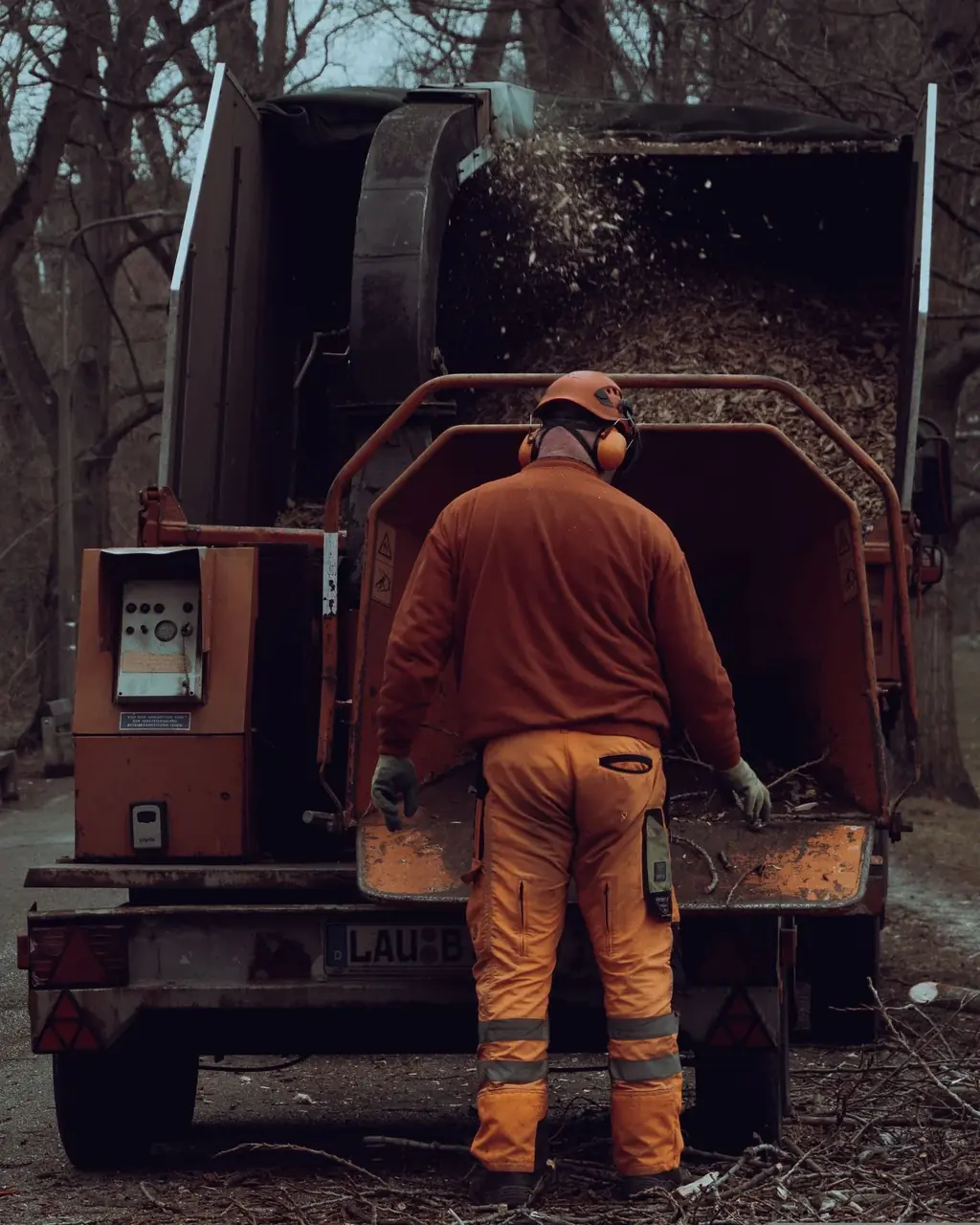
Fence Line Clearing in progress
Representative of the work. Real job photography replaces these as the crews document jobs.

Fence Line Clearing questions
Why do hedge rows cost more to clear than open ground?
Three reasons. Osage orange is one of the densest woods in North America, the rows are multi-stemmed from the base, and there is a century of staples and wire grown into the trunks. Embedded steel destroys saw chain and mulcher teeth, so the work is slower and the equipment wear is real.
Can you clear the line without damaging my fence?
Yes. The machine stays back, material against the wire is cut by hand and pulled clear, and everything is removed in a direction that does not drag across the top wire. It costs more than clearing a row where the fence is coming out, so tell us which situation you have before we quote.
How is this priced?
Against the per acre clearing range, since a long row adds up to acreage. ProMatcher's Kansas data puts clearing at roughly $1,100 to $2,300 per acre, and hedge row work sits at the top of that range or above it because of the wood and the wire.
Do the stumps come out?
Not as standard. Stumps left in a fence row hold the strip and nothing is being mowed along it. If you are rebuilding fence and need a clean line for a post driver, we can grind along the post line, and that is quoted separately because Osage orange grinds slowly.
Will it grow back?
Cedar will not, since it does not resprout from the stump. Osage orange, elm, mulberry, hackberry, and honeylocust all will, and a row cut and left alone comes back as many thin stems instead of a few thick ones. Cut stump treatment applied at cutting is what makes it stick.
Should the material be mulched or hauled?
Mulched on long rural rows, because the strip is narrow and hauling means repeated trips, which HomeGuide puts at roughly $75 to $250 each. Hauled on short sections near a house or a driveway where you want it looking finished. Either way, loose old wire comes out before anything grinds.
My neighbor owns half the fence line. Whose call is it?
Talk to them before we start. Boundary fences and the trees along them involve both owners, and in Kansas cutting trees across a line without permission is a problem worth avoiding. If the boundary itself is uncertain, get it surveyed before anyone cuts.
Why should I clear the fence row before the pasture?
Because the fence row is the seed bank. Birds sit on the wire and deposit cedar and hackberry seed in a line, and that line is what feeds the encroachment out into the field. Clearing the pasture and leaving the row means clearing the pasture again in ten years.
How do I check out a contractor for this work?
Kansas has no state licensing requirement for tree removal companies, so ask for a certificate of liability insurance and workers compensation from the carrier. Then ask how they handle embedded wire. Anyone who has cleared hedge in this part of Kansas will have an answer ready.
Request a free estimate
Free, no obligation. We call back within 15 minutes.
Got it.
We call back within 15 minutes during business hours.
That did not send. Call and we will take it down over the phone.
(785) 550-0100Coverage
Lawrence, Topeka, and everything between
We run out of Lawrence and cover 14 towns across 5 counties. If your town is not pinned, call anyway. We are usually closer than you think.
- Home base
- Lawrence, KS
- Storm calls
- 24 / 7
Often booked together
Brush Removal
Overgrown brush, volunteer trees, and undergrowth cut and hauled.
Forestry Mulching
Grinding standing brush and small trees into mulch in place, with nothing hauled off.
Land Clearing
Clearing acreage of trees, brush, and cedar so the ground can be used.