Commercial
HOA Tree Programs in Lawrence and Topeka
Annual tree programs for homeowner associations, with board-ready documentation and budgets.
- Inventory
- Every common area tree, condition rated
- Budget horizon
- Three years, split by year
- Multi tree report
- $300 to $700 (HomeGuide national range)
- Board presentation
- In person on request
What this is
Boards get asked to approve tree spending by people who cannot say which trees or why. An annual program starts with an inventory of what is on the common ground, ranks it by risk, and turns it into a three year budget the board can actually vote on.
What the job includes
- Inventory of common area trees with condition ratings
- Risk ranked so the budget goes to the trees that matter first
- Multi-year plan and budget written for a board audience
- Notices to residents before crews arrive
- Documented inspections, which is what your insurer asks for after an incident
Start with an inventory, not a bid
Boards get asked to approve tree spending by people who cannot say which trees, in what condition, or why those and not others. A bid answers none of that. It prices work somebody already decided on, which puts the board in the position of voting on a number without any way to judge it.
An inventory reverses that. Every tree on the common ground gets located, identified by species, measured, condition rated, and photographed. Defects get noted. Each tree gets a recommendation and an approximate cost. What the board then votes on is a ranked list with reasoning attached, and any member who wants to know why tree 47 is on the list ahead of tree 12 can read the entry and look at the photograph.
It also settles the recurring argument. Most associations have at least one owner convinced the tree behind their unit is dangerous and at least one convinced nothing should ever be cut. An inventory answers both of them with the same document and takes the board out of the middle.
- Every common area tree located, identified, measured, and condition rated
- Photographs attached to each entry
- Defects documented with a recommendation and an approximate cost
- Trees ranked so the budget goes to the ones that matter first
- A document the board can hand to any owner who asks
Ranking by risk so the budget goes in order
Risk is a combination of what is likely to fail and what it would land on. A declining Siberian elm at the back of a detention basin, with nothing under it but grass, is a low priority even if it looks worse than anything else on the property. A pin oak with a cracked union over the mail kiosk is the first line in the budget even if it looks fine from the street.
That ordering is what makes a limited budget defensible. Associations rarely have the money to do everything in one year, and the board's exposure is not in deferring work. It is in deferring work without a documented reason for deferring that particular item.
The list comes out in three tiers. Immediate items are the ones with a real failure likelihood over an occupied target. Scheduled items are real needs that can safely wait a budget cycle. Monitored items are trees with known defects that get looked at again next cycle rather than treated now. Every tree lands in one of the three, and the board can see exactly what it is choosing when it moves a line.
How the inventory gets built
A property with sixty to eighty common area trees takes a day or two on site depending on the layout, plus the write up. We do not need anyone from the board present, though it helps to walk the boundaries once with someone who knows which strips are association property and which belong to the individual lots.
That boundary question is worth settling before the walk. Half the tree disputes in an association come down to whether the tree in question is on common ground or on a lot, and no inventory is useful if it covers the wrong trees.
- 1 Confirm what is common ground and what belongs to individual owners, using the plat if needed
- 2 Walk the property and log every common area tree by location, species, and trunk diameter
- 3 Rate condition and record defects, with photographs on every entry
- 4 Identify the target under each tree and how often people are actually there
- 5 Rank the list into immediate, scheduled, and monitored
- 6 Attach an approximate cost to each recommended item
- 7 Build the multi year budget from the ranked list
- 8 Present the findings and the budget at a board meeting and answer questions on the record
What the board actually votes on
The deliverable is a budget with a three year horizon, split by year, with each line tied to a specific tree and a specific reason. Year one holds the immediate items. Years two and three hold the scheduled work, spread so the annual number stays close to level rather than spiking.
Level annual spending is what makes tree work fit an association budget at all. A property that does nothing for six years and then faces a wave of removals after a storm has to special assess, and special assessments are where boards get voted out. Spreading known work across years is ordinary reserve thinking applied to something most reserve studies leave out entirely.
The budget is written to be read by people who are not tree people. Each line says what the tree is, where it is, what is wrong with it, what happens if nothing is done, what the recommendation costs, and what year it belongs in. A treasurer should be able to defend every line without calling us.
- Three year budget split by year with level annual spending where possible
- Every line tied to a specific tree, location, and documented reason
- Costs presented in ranges with the drivers stated
- Written for a board audience rather than a trade audience
- Presented in person at a board meeting on request
Residents, notice, and the complaints that follow
Removing a mature tree in a common area generates phone calls to the board, without exception. Some of those calls are from the owner who has been asking for it for two years and some are from the owner who did not know it was coming and now has a stump outside the kitchen window.
Written notice ahead of the crew handles most of it. Notice goes out before the work date, says which trees, why, and roughly when, and points to the inventory entry so anyone who wants the reasoning can have it. Doors get hung or emails go out depending on how your association communicates.
The crew side matters too. Vehicles staged so residents can get in and out, drop zones coned and attended, work kept to reasonable hours in a residential setting, and the site cleaned each day rather than at the end of the project. A tree crew that leaves a mess in a common area for three days generates more board email than the removal itself.
The documentation your insurer asks for after an incident
When a limb comes down on a resident's car or a walkway, the association's carrier looks for the same thing every time. Was the condition known, was it documented, and was there a plan. An association with dated inspections, photographs, a ranked list, and board minutes showing the budget was reviewed and approved is in a defensible position. One with none of that is arguing from memory.
This is the practical reason to run tree care as a documented annual program rather than as a series of reactions. The inspection file is cheap and it is the difference between a manageable claim and a hard one.
HomeGuide puts a multi tree consultation and written report at $300 to $700 nationally, which for most associations is a fraction of one removal and considerably less than one deductible.
- Dated inspection records with photographs for each common area tree
- Documented ranking showing why each item was scheduled when it was
- Board minutes tying the approved budget to the inventory
- Work orders with before and after photographs on every completed item
HOA Tree Programs in progress
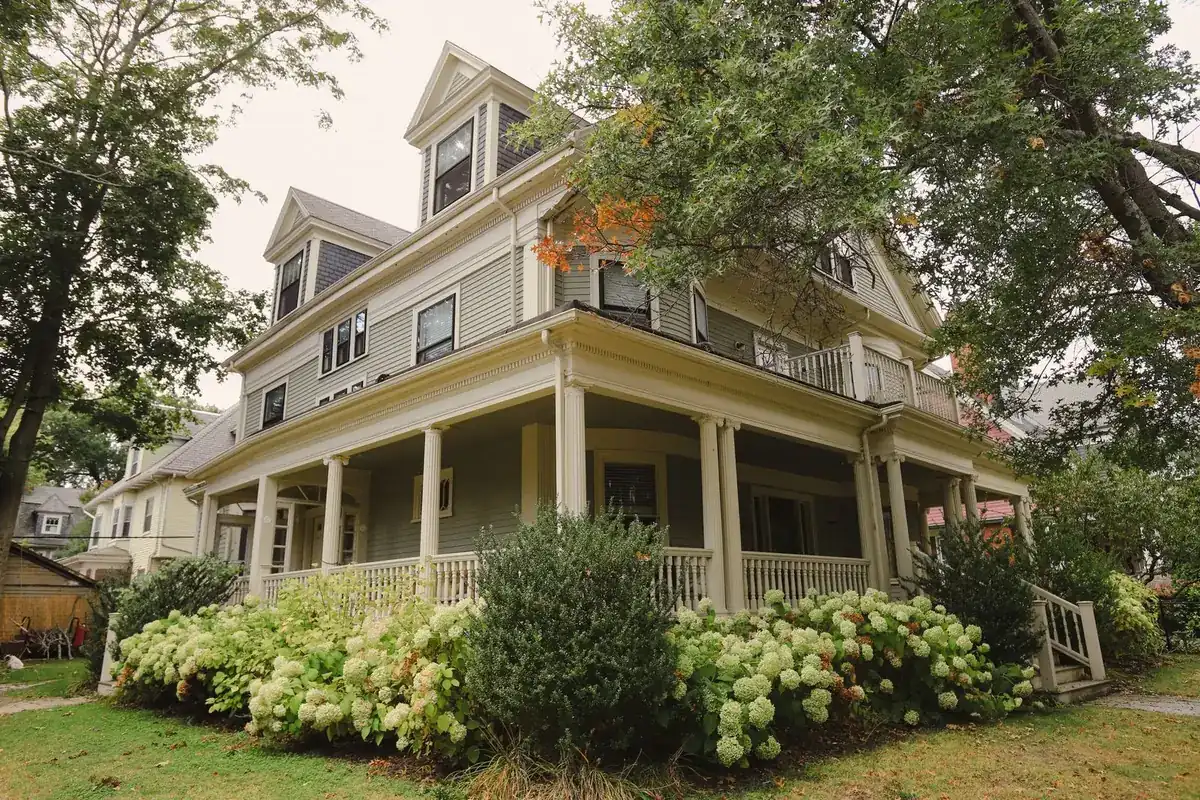
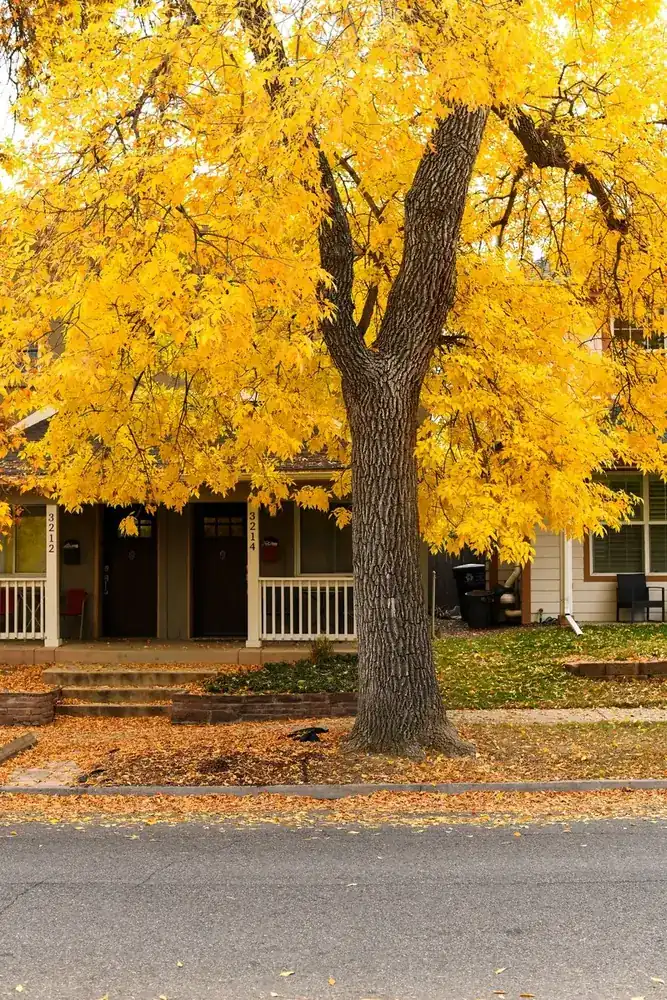
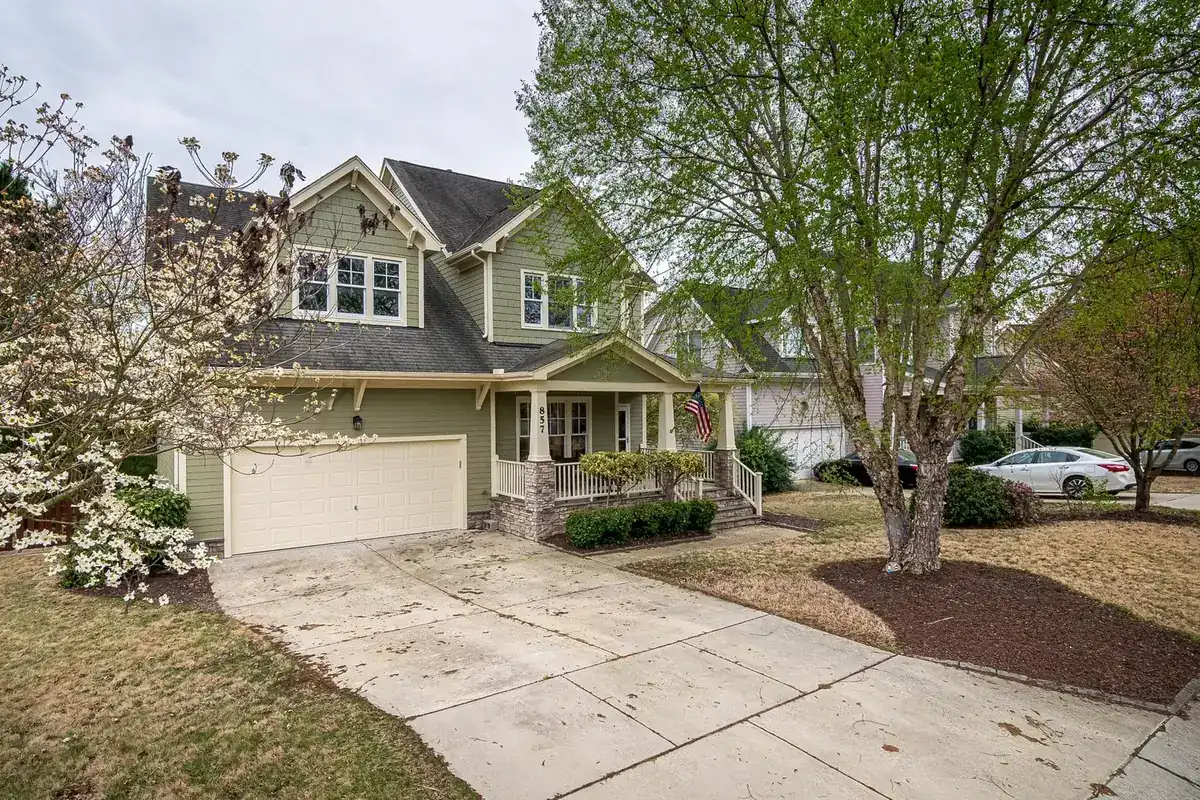
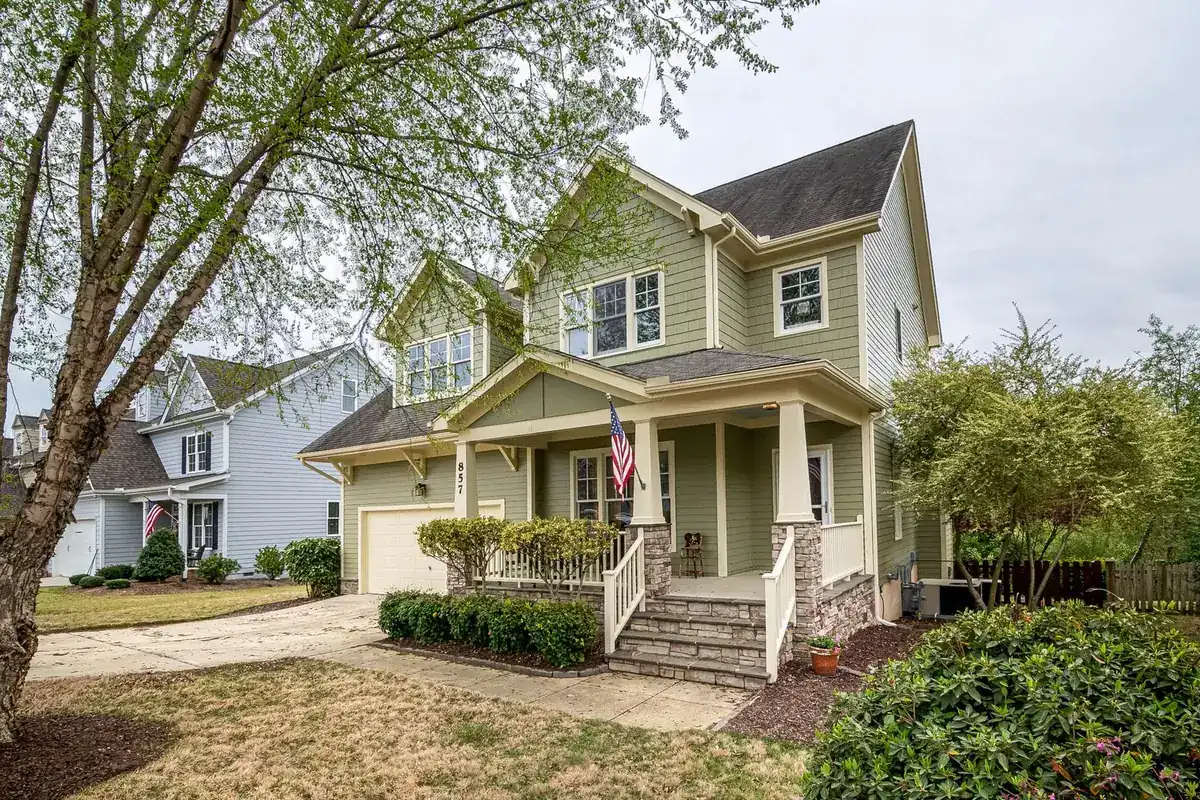
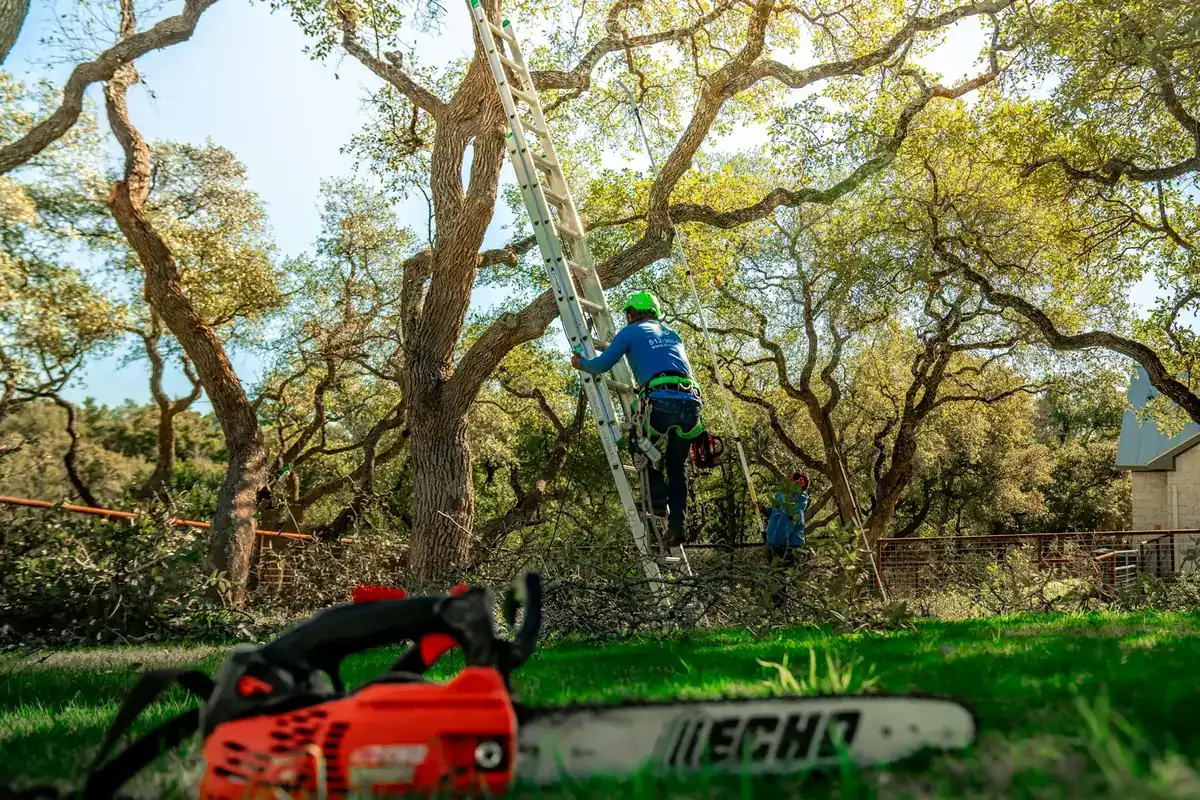
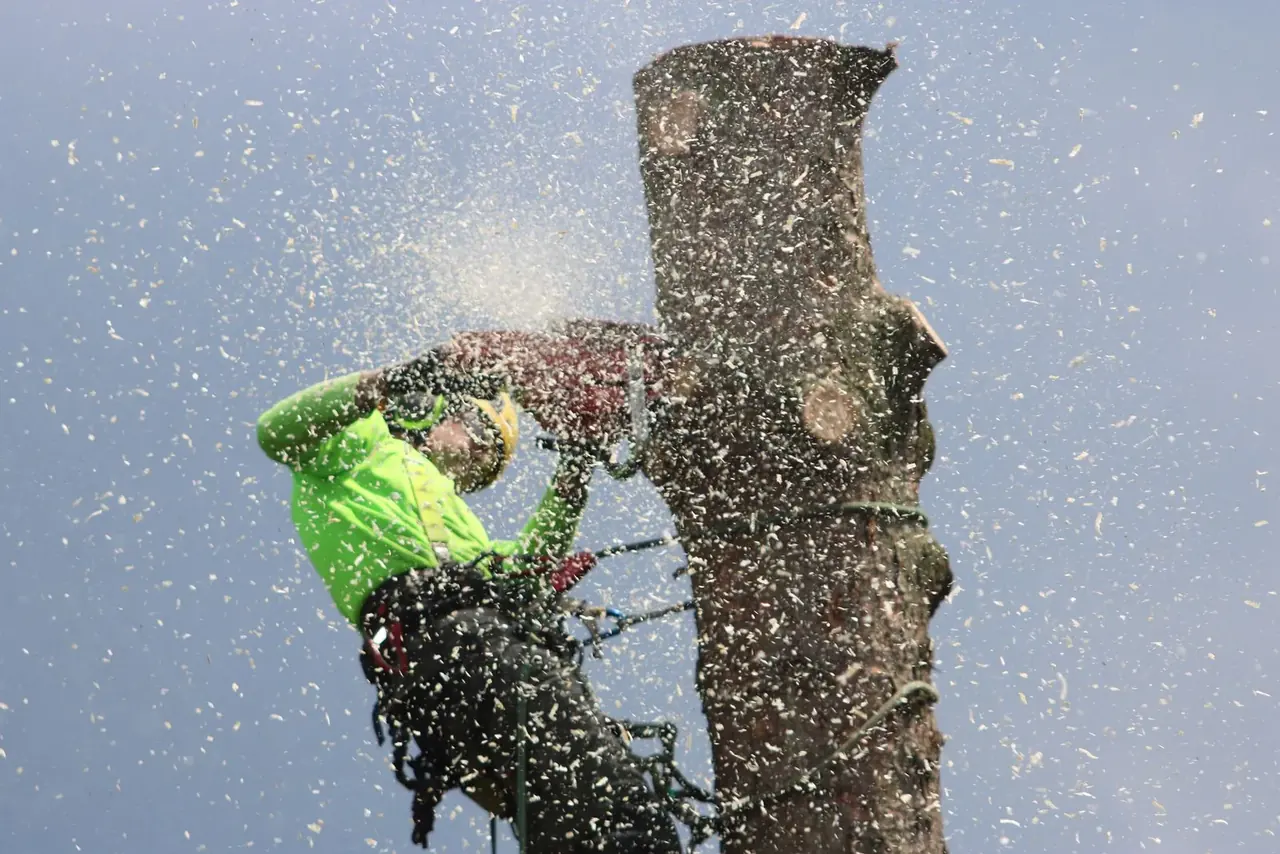
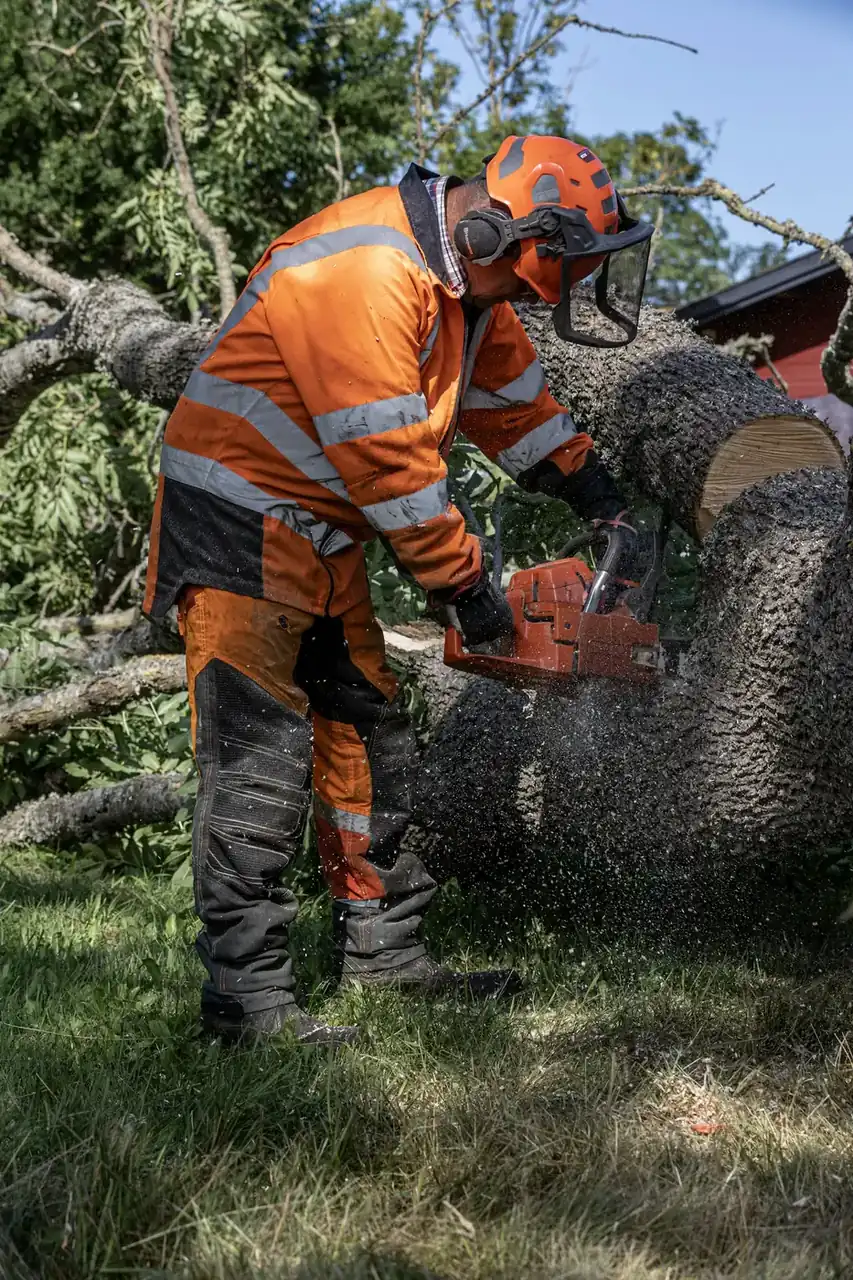
Representative of the work. Real job photography replaces these as the crews document jobs.
HOA Tree Programs questions
Can you present to our board?
Yes. We walk the property, produce the inventory, and present the findings and the budget at a board meeting. Bringing the questions into one meeting with the person who did the inspection usually shortens the decision considerably.
How long does an inventory take on a property our size?
A property with sixty to eighty common area trees is generally a day or two on site plus the write up. Larger properties scale from there. We give you the timeline and the cost before we start, and neither changes partway through.
How do we know which trees are ours and which belong to the homeowners?
That gets settled before the walk, using the plat and your governing documents if it is not obvious on the ground. It is worth doing carefully, because a good share of association tree disputes are really boundary disputes and an inventory covering the wrong trees helps nobody.
We cannot afford to do everything at once. How do we prioritize?
The ranked list is built for exactly that. Items sort into immediate, scheduled, and monitored based on how likely a failure is and what sits underneath. Deferring a monitored item is a defensible decision. Deferring an immediate item over an occupied walkway is not, and the list makes that distinction visible to the whole board.
An owner is demanding we remove a healthy tree. What do we do?
Give them the inventory entry and the photographs. A documented condition rating from a certified arborist ends most of those conversations, and it protects the board from setting a precedent of removing sound trees on request. It works the other direction too, when an owner objects to a removal that genuinely needs to happen.
Do you notify residents before the crew shows up?
Yes, in whatever form your association uses, whether that is door hangers, an email blast, or a notice at the mailboxes. Notice says which trees, why, and when. It does not stop every complaint, but it stops most of them.
Will you carry insurance certificates for our management company?
Yes. Certificates go directly to the management company and to the association as certificate holder, with additional insured language where your contract requires it. Renewals reissue automatically. Kansas has no licensing requirement for tree companies, so those certificates are the only real qualification standard available to you.
How often should the inventory be updated?
Annually for the walk and the condition update on flagged trees, with a full re-inventory every few years. Any significant wind or ice event should trigger a review regardless of where you are in the cycle.
Request a free estimate
Free, no obligation. We call back within 15 minutes.
Got it.
We call back within 15 minutes during business hours.
That did not send. Call and we will take it down over the phone.
(785) 550-0100Coverage
Lawrence, Topeka, and everything between
We run out of Lawrence and cover 14 towns across 5 counties. If your town is not pinned, call anyway. We are usually closer than you think.
- Home base
- Lawrence, KS
- Storm calls
- 24 / 7
Often booked together
Commercial Tree Care
Scheduled tree work for businesses, with documentation, insurance certificates, and one contact.
Tree Risk Assessment
A written evaluation of whether a specific tree is likely to fail, and what to do about it.
Storm Response Contracts
A signed agreement that puts your property in the queue before the storm, not after.