Commercial
Storm Response Contracts in Lawrence and Topeka
A signed agreement that puts your property in the queue before the storm, not after.
- Rates
- Fixed before the event
- Emergency premium
- About 50 percent above scheduled work
- Dispatch
- Priority position by hazard type
- After hours line
- Answered by a person, any hour
What this is
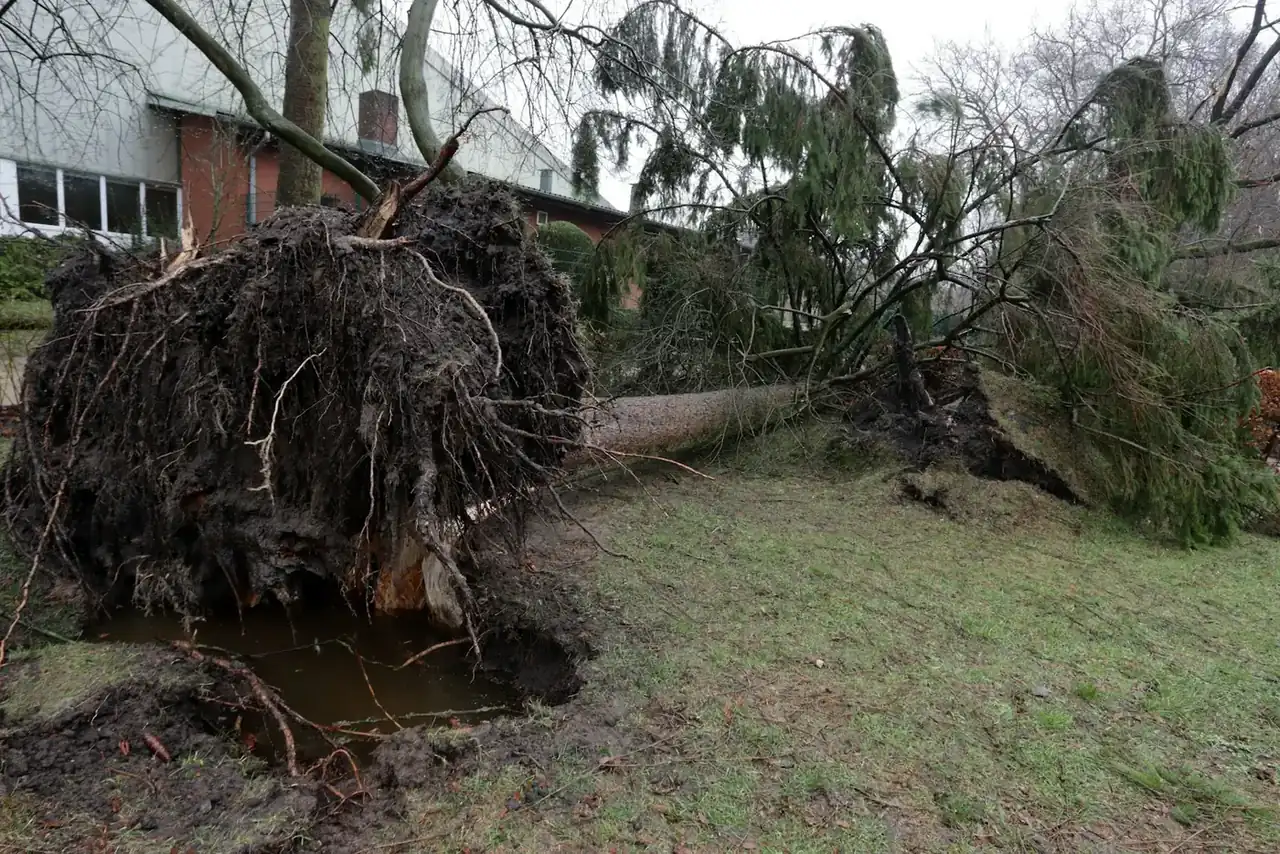
After a regional wind or ice event every crew in the county is booked within hours, and the properties that get cleared first are the ones with a contract already in place. A response agreement sets the rates and the priority ahead of time, so nobody is negotiating in the rain.
What the job includes
- Priority dispatch position agreed in advance
- Rates set before the event instead of during it
- Site plans and access notes on file so crews are not figuring it out on arrival
- Documentation package for insurance and FEMA claims
The queue forms before the storm, not after
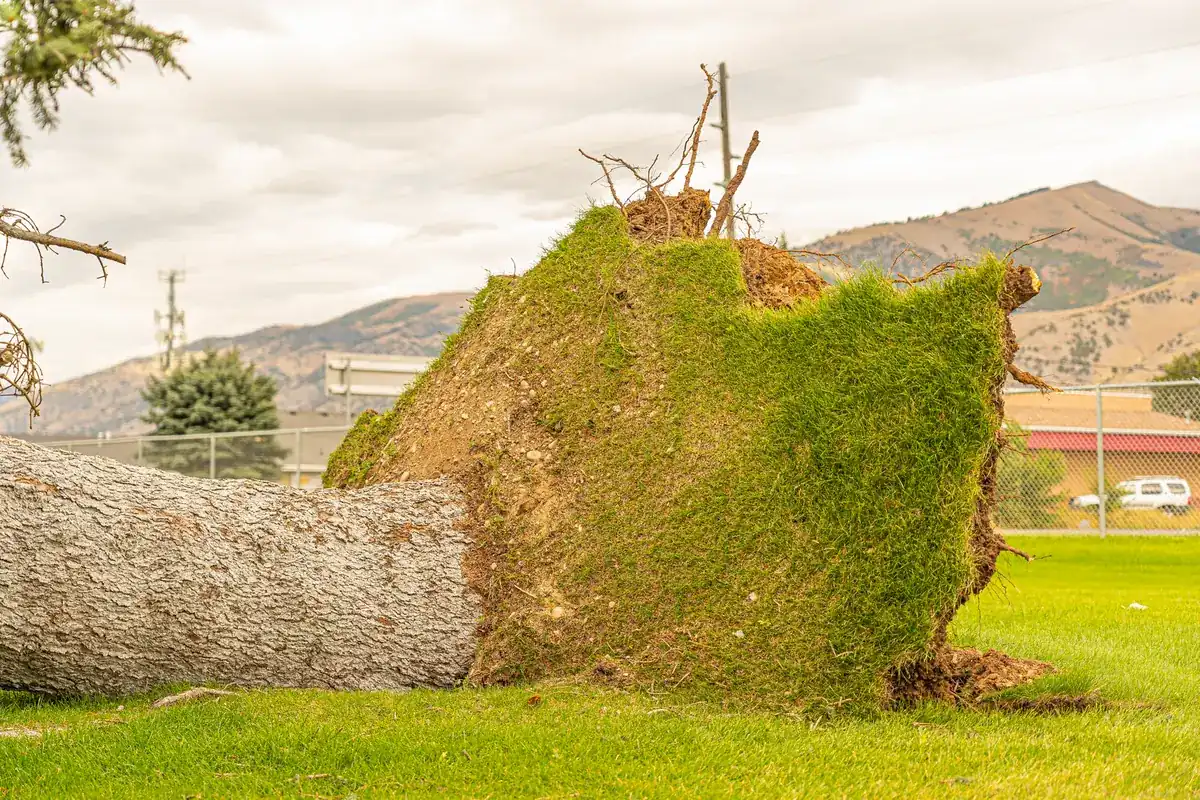
After a regional wind or ice event, every tree crew in Douglas and Shawnee counties is committed within hours. The phone lines fill, the schedule fills behind them, and the properties that get cleared first are the ones with an agreement already signed. That is not a sales pressure line, it is dispatch arithmetic. A finite number of crews cannot serve an entire county on the same morning.
A response agreement moves your property from the general call queue into a defined dispatch position. It also removes the two things that slow response most: negotiating scope and price with a property manager standing in a parking lot in the rain, and a crew arriving at a site nobody has ever seen with no idea where the gate is or which lot they can stage in.
For properties where a blocked entrance, a closed loading dock, or an inaccessible fire lane costs real money by the hour, the agreement pays for itself the first time it is used.
What the agreement sets in advance
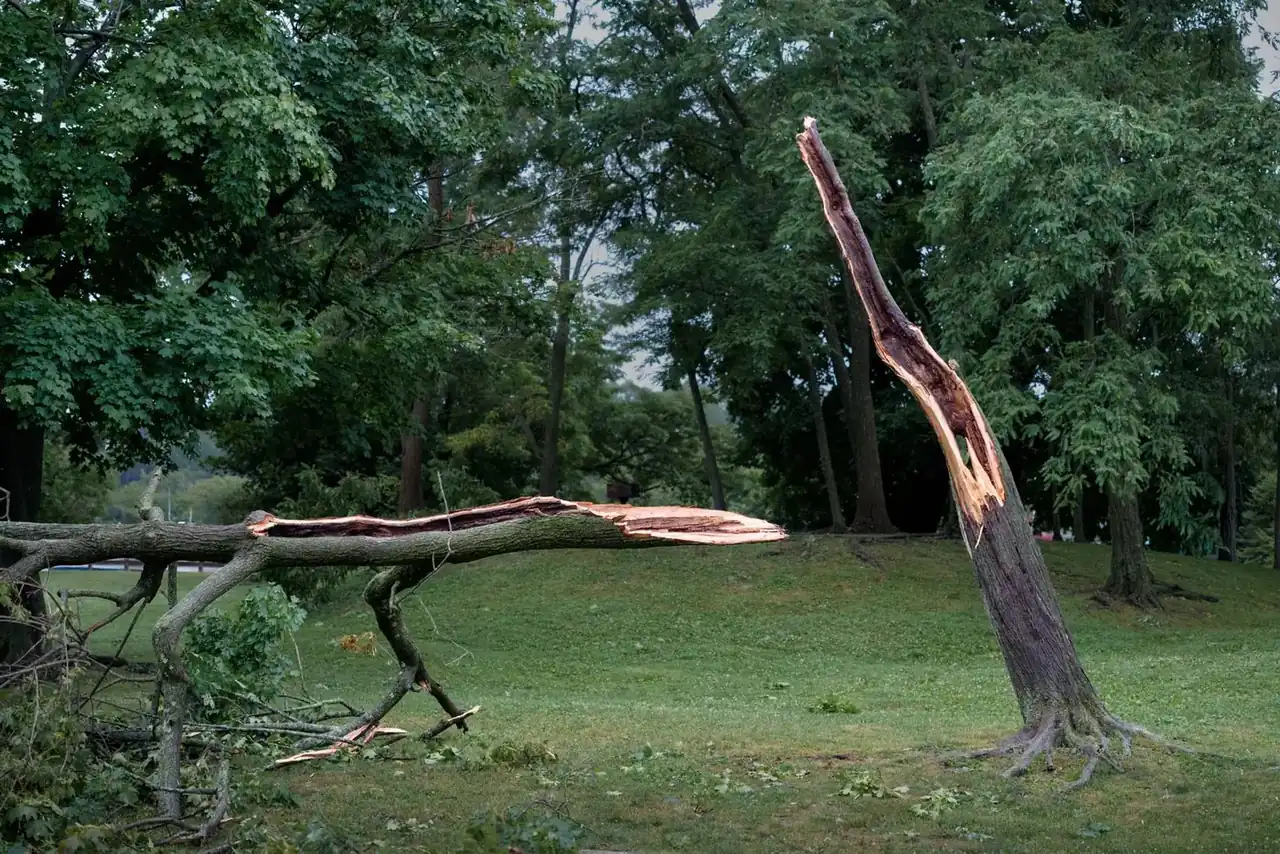
Rates come first. Emergency work costs more than scheduled work, and pretending otherwise helps nobody. Kansas market data across three cities puts emergency and storm calls at roughly 50 percent above a comparable scheduled removal. The agreement fixes those rates ahead of the event so the number is known, budgeted, and not subject to whatever the market is doing at seven in the morning after a derecho.
Then dispatch position, which is the operational core of the whole arrangement. Priority order is agreed among account holders in advance based on hazard type rather than who called first, so a tree across a fire lane at a medical facility outranks branch debris in an office park lawn regardless of the order the calls came in.
Then authority. Who can activate the agreement, at what dollar threshold work proceeds without further approval, and who gets called if the primary contact does not answer. That single provision is what allows a crew to start at two in the morning instead of waiting for a purchase order at nine.
- Emergency and after hours rates fixed before the event
- Dispatch priority agreed among account holders by hazard type
- Named contacts with authority to activate, and a backup for each
- Dollar threshold for work to proceed without further approval
- Scope tiers defined, from making the site safe to full cleanup
The site file is what makes the response fast
The difference between a crew working at four in the morning and a crew standing around at four in the morning is usually information. Gate codes, which entrance a chipper can actually get through, where the crew can stage without blocking the dock, where the underground irrigation runs, which surfaces will not take a track machine, and who to call at the property when something changes.
We build that file during a site walk before the season rather than collecting it over the phone during the event. It includes a marked plan showing access routes, staging areas, drop zones, and the trees on the property that are most likely to be the problem.
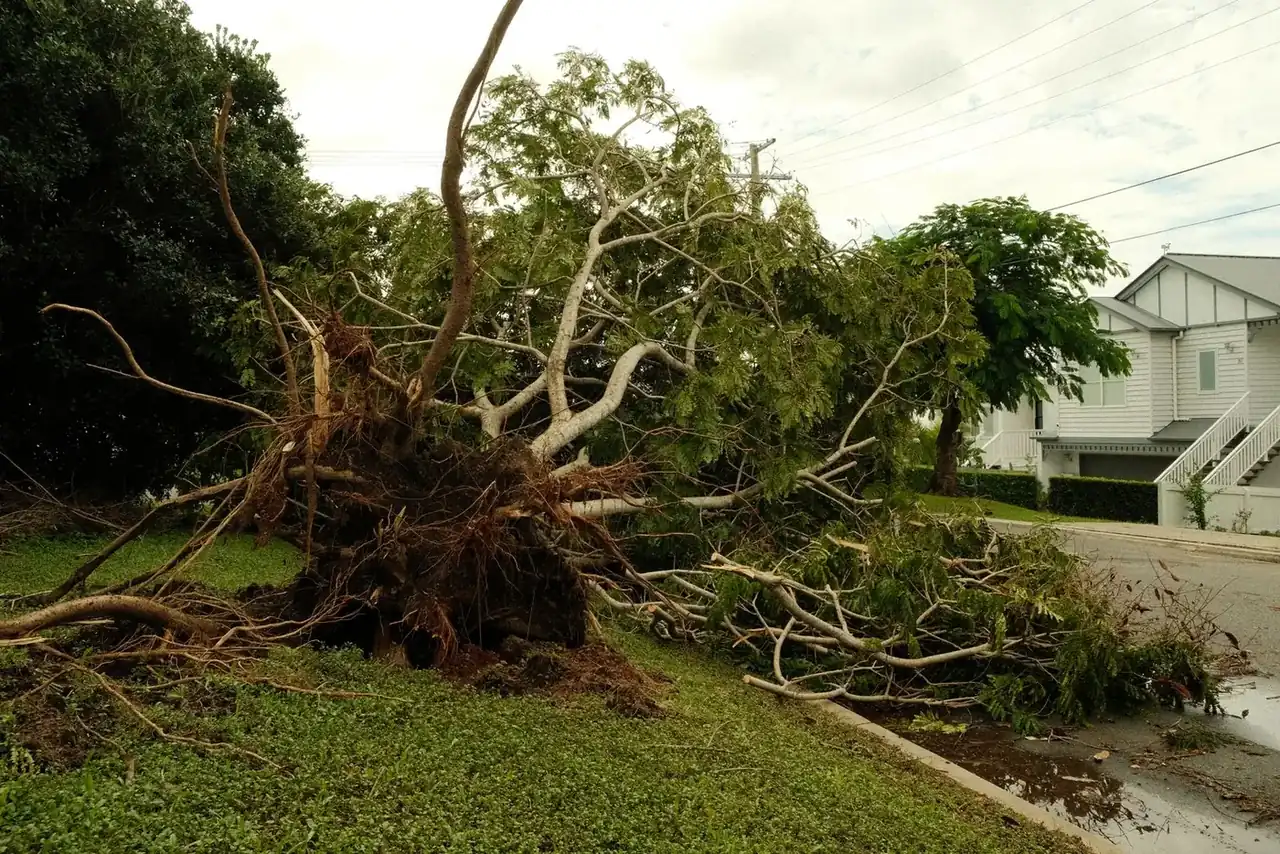
That last part is worth doing on its own. An inspection ahead of storm season identifies the silver maples with weak unions over the parking rows and the dead ash over the drive, which are statistically the things that fail. Some of those get dealt with before the storm, which is cheaper than dealing with them after.
- Gate codes, access routes, and clearance limits recorded
- Staging areas and drop zones marked on a site plan
- Irrigation, utilities, and surfaces that will not take equipment noted
- Pre-season inspection flagging the trees most likely to fail
- Contact tree with names, numbers, and after hours reachability
How activation runs
The sequence is the same every time, which is the point of having it written down before anyone is tired and wet.
Making the site safe and functional comes first. Full cleanup is a separate phase and it happens in daylight at scheduled rates, which is both safer and considerably cheaper than doing it under lights.
- 1 You call the after hours line and a person answers rather than a voicemail box
- 2 We confirm the hazard, the access, and whether anything is on a power line, in which case the utility gets called first
- 3 Dispatch position is set against the other active accounts by hazard type
- 4 Crew mobilizes to the pre-agreed rate structure without a new negotiation
- 5 Site is made safe first, meaning trees off structures and vehicles, fire lanes and entrances opened, hangers pulled out of canopies over occupied areas
- 6 Emergency tarping where a structure is open to weather, which stops water damage while a roofer is arranged
- 7 Everything is photographed as found, during, and after
- 8 Full cleanup is scheduled into daylight hours at standard rates
- 9 Documentation package is delivered for the insurance or FEMA claim
Documentation for insurance and FEMA
Claims are decided on evidence that has to be captured while the work is happening, because it cannot be recreated afterward. Photographs of the damage as found, timestamped, from enough angles to show the extent. Photographs during the work. Photographs after. Quantities, crew hours, equipment used, and disposal records.
Public agencies and some large properties have the additional problem of reimbursement documentation, which asks for debris quantities, disposal locations, and dated work records in a specific format. Building that as the work happens is straightforward. Reconstructing it three weeks later from memory and a stack of invoices is not, and gaps in the record turn into denied line items.
Every activation produces that package by default rather than on request. It goes to whoever you name, which is usually the risk manager, the carrier, or the association's management company.
- Timestamped photographs as found, during work, and on completion
- Debris quantities and disposal locations recorded
- Crew hours and equipment logged against the agreed rate structure
- Package delivered to the risk manager, carrier, or management company
Rates, and why setting them early matters
Emergency response costs more than scheduled work because it is a crew coming off their own time, at night, into conditions with more hazard and less light. Kansas city level data puts emergency and storm calls at roughly 50 percent above a comparable scheduled removal, and national cost guides put same day emergency work as high as two to three times standard rates at the extreme end. A tree on a structure, a tree on a line, or a job needing a crane goes above that.
Fixing the rate structure before the event does two things. It makes the number budgetable, which matters to a finance department that has to approve the spend afterward, and it takes price off the table during activation so the only conversation is about hazard and access.
It also protects against the other thing that happens after a regional storm, which is out of state crews arriving with no local record, no verifiable insurance, and prices set by how desperate the property looks. Kansas has no state licensing requirement for tree removal companies, so after a storm the only protection a property has is a vendor it already vetted and a contract it already signed.
Storm Response Contracts in progress
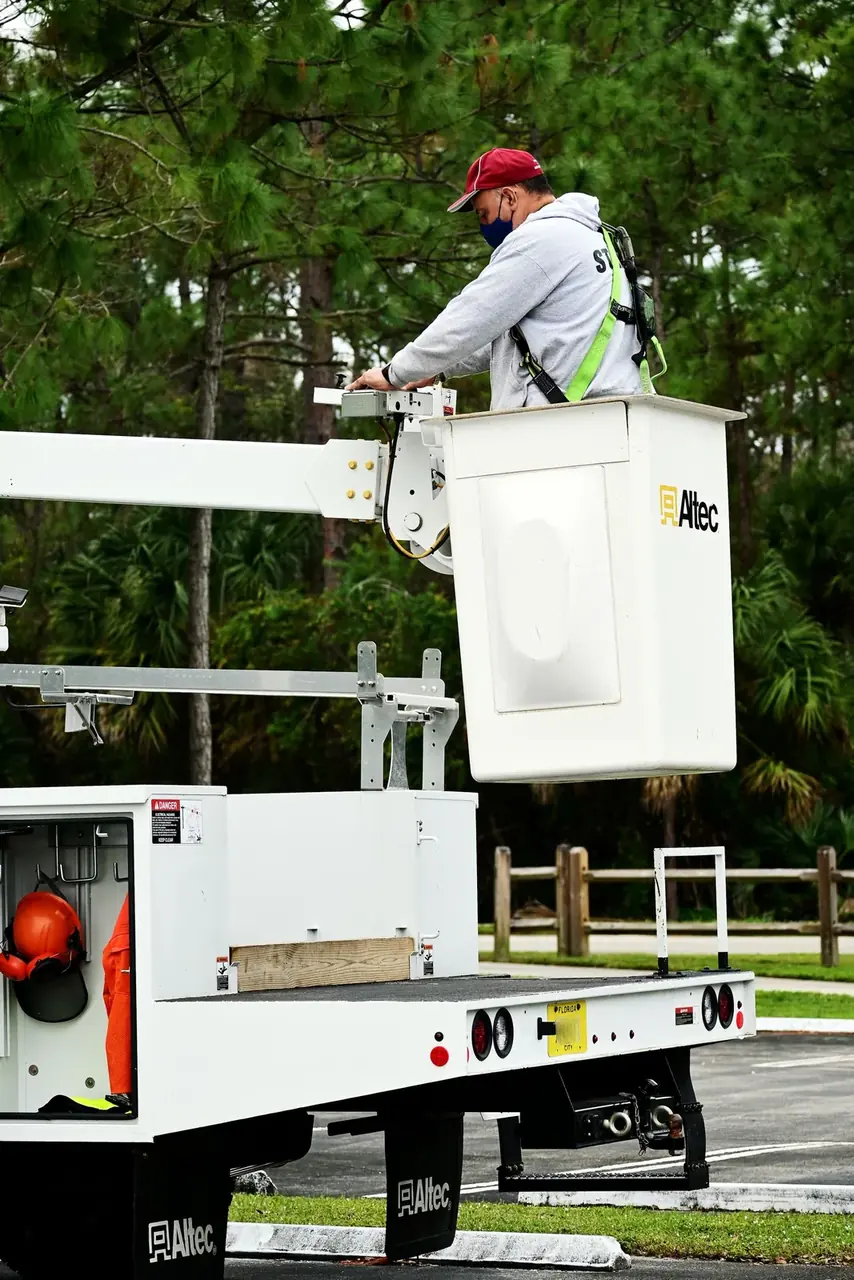
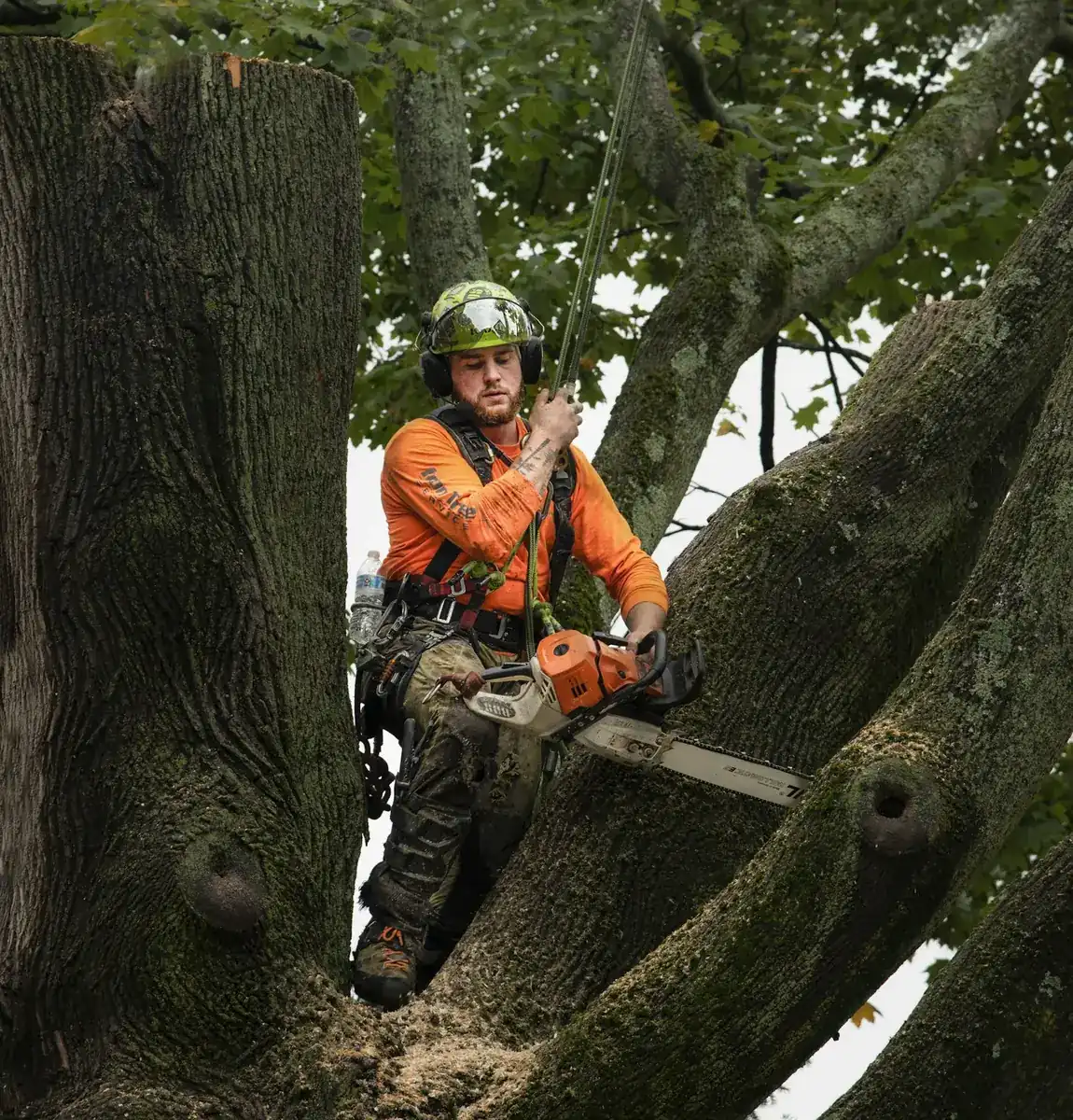
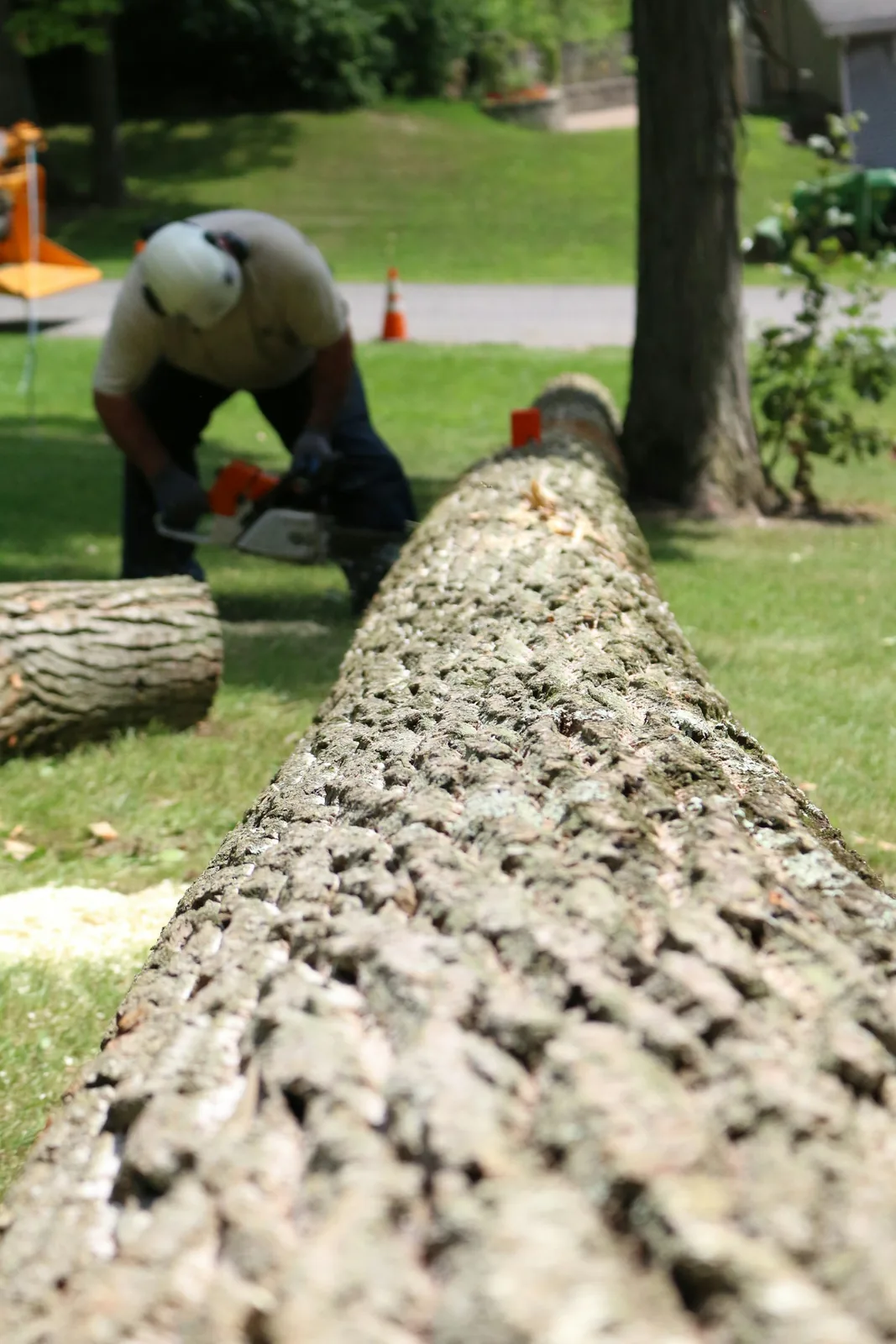
Representative of the work. Real job photography replaces these as the crews document jobs.
Storm Response Contracts questions
What does a storm response agreement cost to have in place?
The agreement itself sets rates and priority. The costs are the pre-season site walk and inspection, which produce the site file and flag the trees most likely to fail. That inspection has value on its own, since some of what it finds gets dealt with before the storm at scheduled rates rather than after it at emergency rates.
How much more does emergency work cost than scheduled work?
Kansas market data across three cities puts emergency and storm calls at roughly 50 percent above a comparable scheduled removal. National guides put same day emergency work as high as two to three times standard rates at the extreme end. A tree on a structure, on a line, or needing a crane goes above that, which is why the rate structure gets set in the agreement rather than in the moment.
Who can authorize work in the middle of the night?
Whoever you name in the agreement, with a backup contact and a dollar threshold below which work proceeds without further approval. That provision is what lets a crew start at two in the morning instead of waiting until nine for a purchase order.
What gets done first?
Making the site safe and functional. Trees off structures and vehicles, fire lanes and entrances opened, hangers pulled out of canopies over occupied areas, and tarping where a structure is open to weather. Full cleanup is a separate phase, scheduled into daylight at standard rates, which is safer and cheaper than doing it under lights.
How is priority decided among your account holders?
By hazard type rather than by who called first. A tree across a fire lane at a medical facility outranks branch debris on an office park lawn regardless of call order. That ranking is agreed in the contract so nobody is arguing about it during the event.
What documentation do we get for the claim?
Timestamped photographs as found, during the work, and on completion, plus debris quantities, disposal locations, crew hours, and equipment logged against the agreed rates. For public agencies that package is built to support FEMA reimbursement. It is produced by default on every activation, not on request.
A tree is on a power line at our property. What do we do?
Call Evergy first and keep everyone away from anything the tree is touching, then call us. Primary distribution lines have to be de-energized or covered by the utility's own crews before anyone works near them. We will tell you on the phone which situation you have.
Can this cover multiple properties on one agreement?
Yes. Each site gets its own file with its own access notes, contacts, and priority classification, and all of it runs under one agreement with consolidated invoicing afterward. Managers running a portfolio should not be signing eight separate contracts.
Why not just call whoever shows up after the storm?
Because Kansas has no state licensing requirement for tree removal companies, and a regional event brings crews from out of state with no local record and no verifiable insurance. Work on your property by an uninsured crew becomes your liability. A vendor you vetted before the storm, with certificates already on file, removes that question entirely.
Request a free estimate
Free, no obligation. We call back within 15 minutes.
Got it.
We call back within 15 minutes during business hours.
That did not send. Call and we will take it down over the phone.
(785) 550-0100Coverage
Lawrence, Topeka, and everything between
We run out of Lawrence and cover 14 towns across 5 counties. If your town is not pinned, call anyway. We are usually closer than you think.
- Home base
- Lawrence, KS
- Storm calls
- 24 / 7
Often booked together
Commercial Tree Care
Scheduled tree work for businesses, with documentation, insurance certificates, and one contact.
HOA Tree Programs
Annual tree programs for homeowner associations, with board-ready documentation and budgets.
Storm Damage Cleanup
After a wind or ice event: hangers out of the canopy, broken limbs down, property cleared.