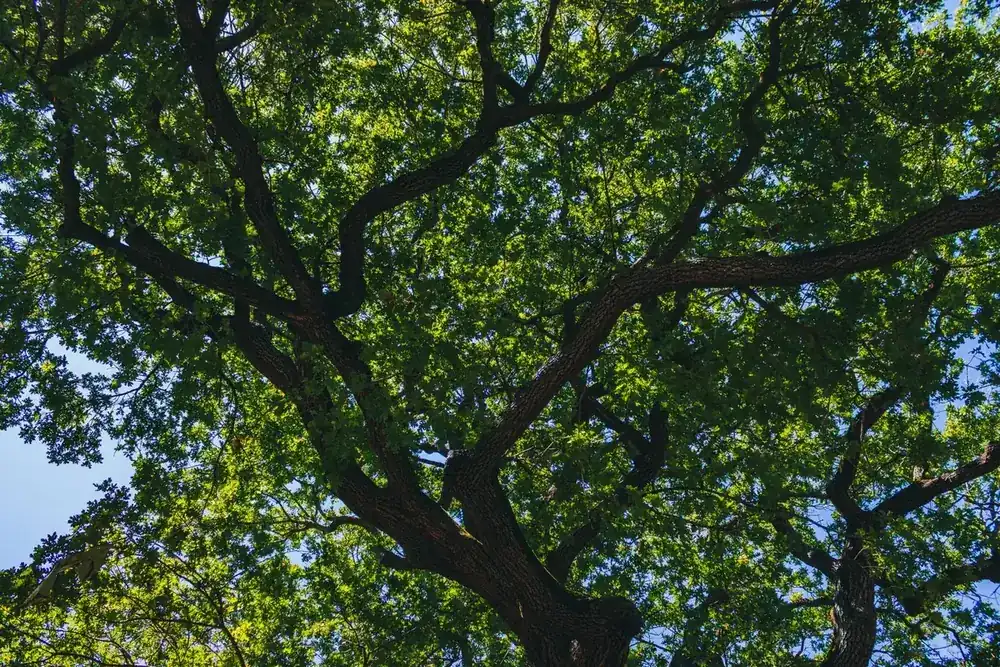
County seat: Topeka
Tree Service in Shawnee County
Topeka and the towns around it, about thirty minutes west of our Lawrence yard.
- Towns covered
- 6
- From our yard
- Lawrence, KS
- Storm calls
- 24 / 7
Shawnee County
Towns we cover in Shawnee County
Each town has its own page with the local species, access notes, and permit guidance.
Topeka
About 30 minutes west
Topeka neighborhoods west of Gage and out toward Auburndale are heavy with silver maple and Siberian elm planted in the postwar years. Both are fast growers with weak branch unions, and both are the trees most likely to drop a limb in a June thunderstorm.
Tree service in Topeka →Silver Lake
About 40 minutes northwest
Kaw valley farmland with windbreak rows of eastern redcedar, most of them planted at the same time and now aging out together.
Tree service in Silver Lake →Tecumseh
About 30 minutes west
Larger lots east of Topeka where trees were left in place as subdivisions went in. Mature oaks close to newer homes are the recurring risk assessment call.
Tree service in Tecumseh →Auburn
About 40 minutes southwest
Rural Shawnee County with hedge rows and pasture timber. Clearing work here is usually measured in acres, not trees.
Tree service in Auburn →Rossville
About 45 minutes northwest
Small town lots with old street trees, surrounded by farm ground. Cedar encroachment into pasture is the common land clearing job.
Tree service in Rossville →Berryton
About 35 minutes west
Acreages south of Topeka with mature native timber. Storm work here is often about clearing a driveway before anything else can happen.
Tree service in Berryton →What we do
Tree work across Shawnee County
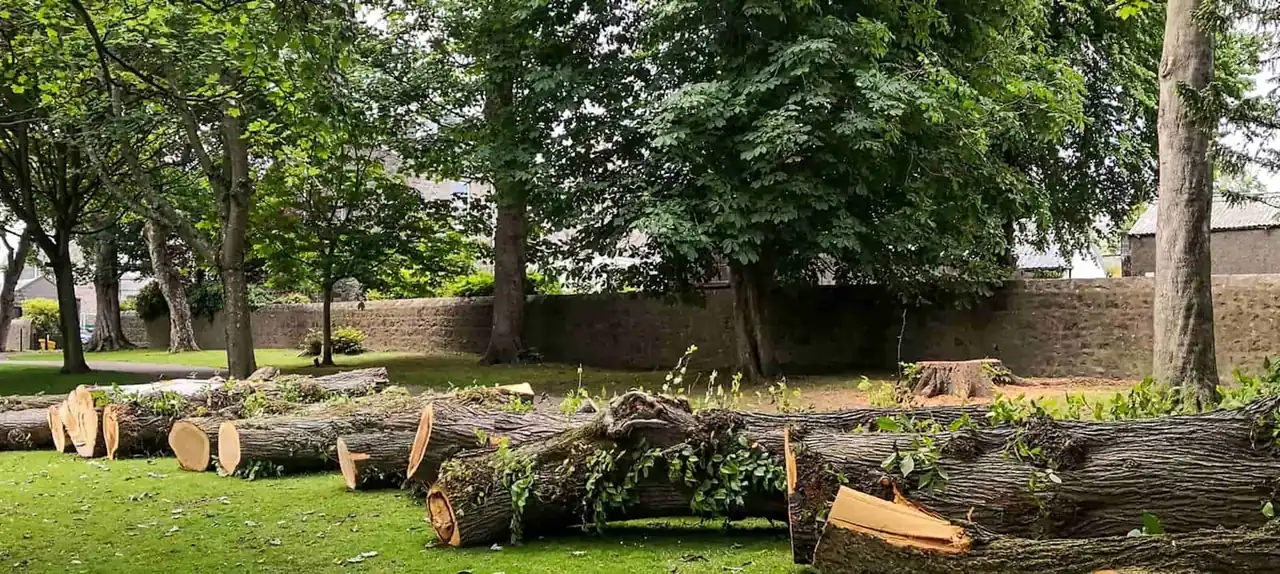
Tree Removal
Taking down a tree safely when it is dead, dying, or growing somewhere it cannot stay.
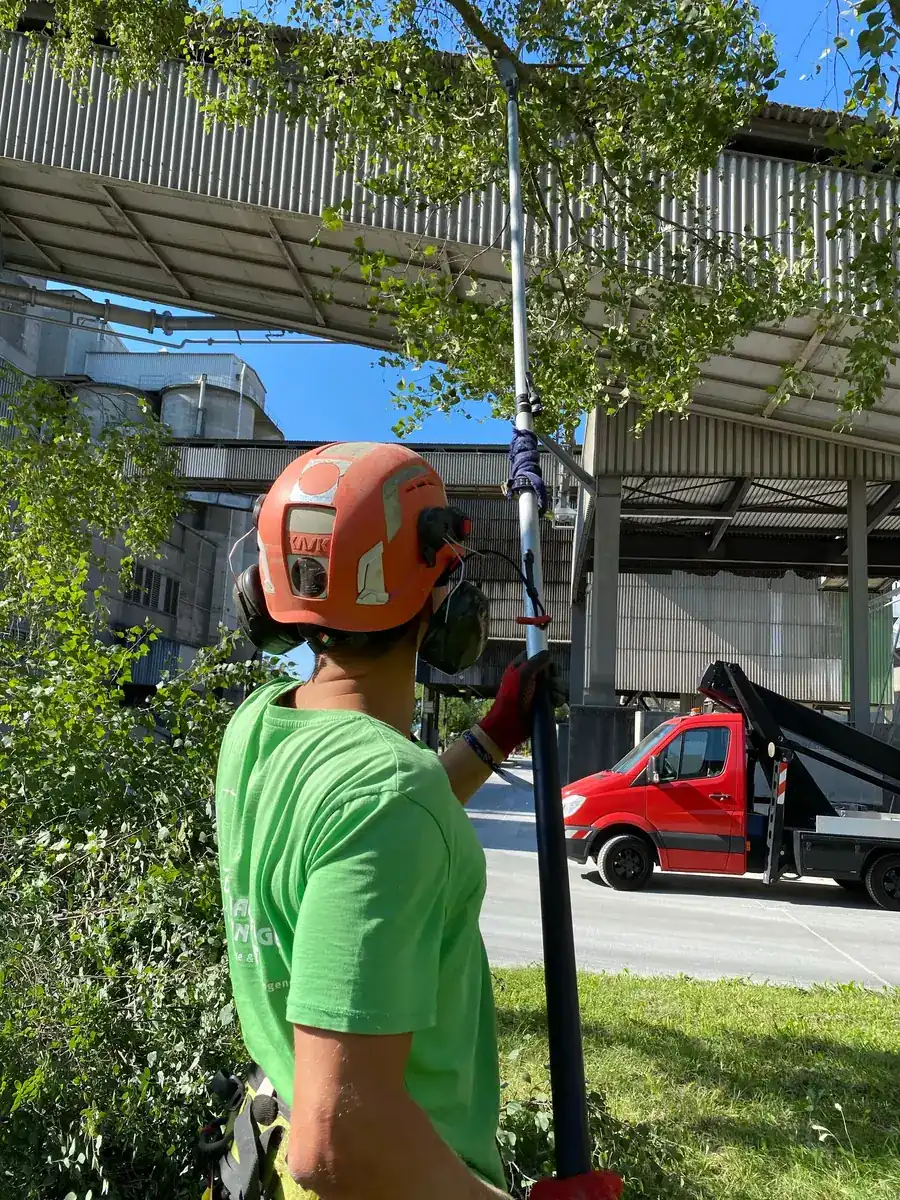
Tree Trimming
Clearing limbs off roofs, driveways, and power drops, and thinning canopies before storm season.
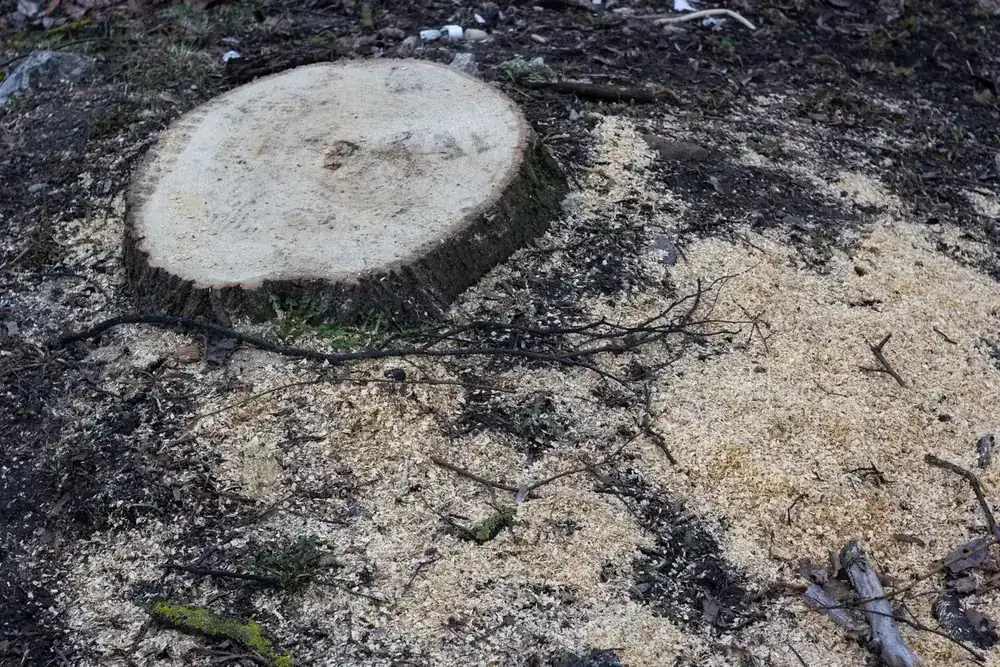
Stump Grinding
Grinding the stump below grade so you can mow over it, replant, or lay sod.
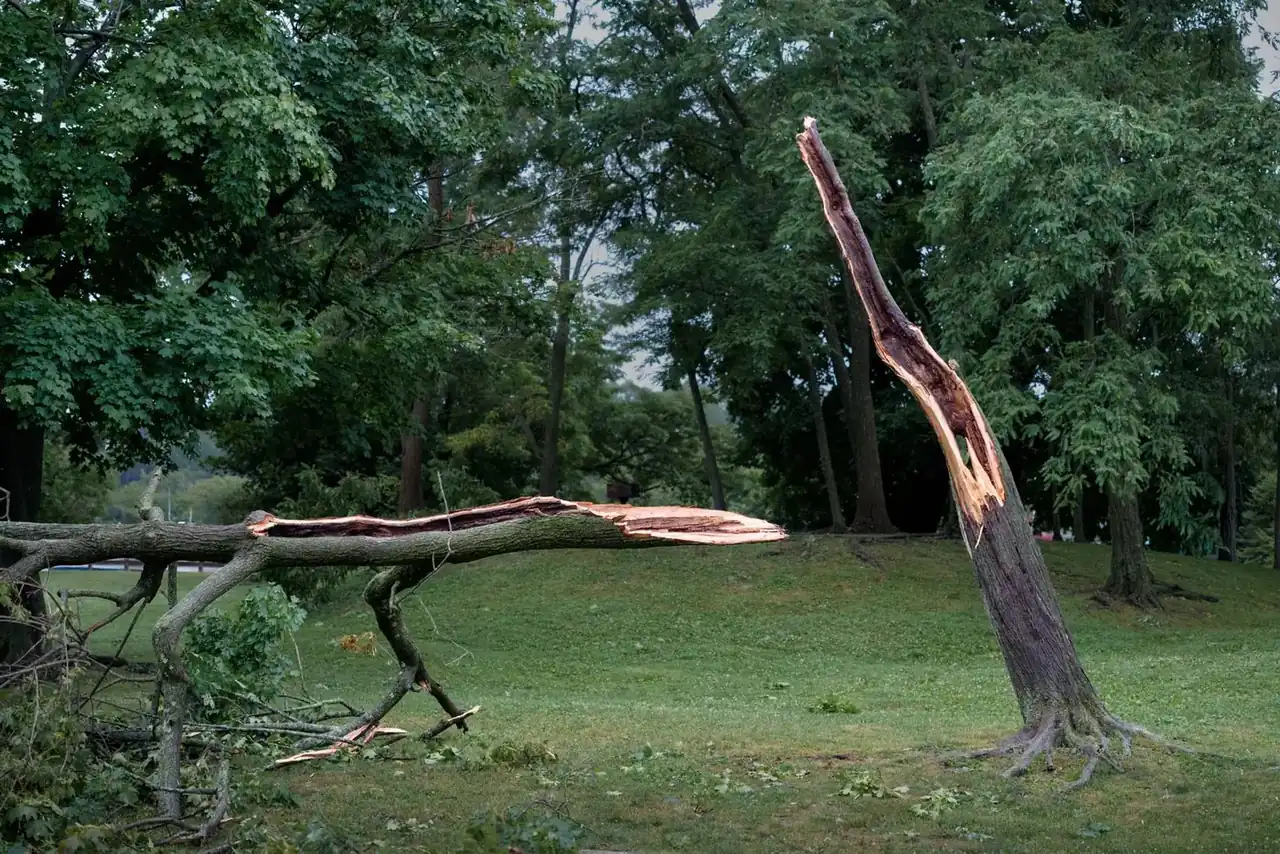
Emergency Tree Removal
A tree is on the house, across the drive, or leaning on a line. Call, do not fill out a form.
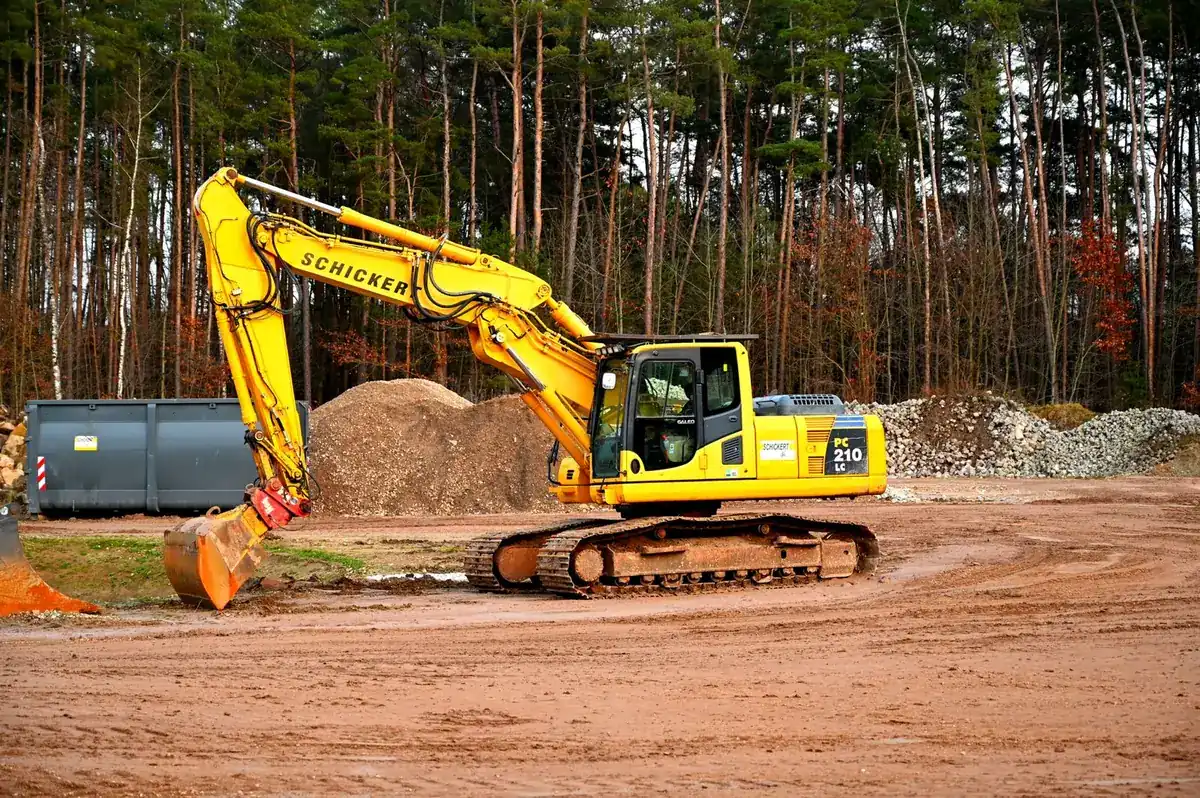
Land Clearing
Clearing acreage of trees, brush, and cedar so the ground can be used.
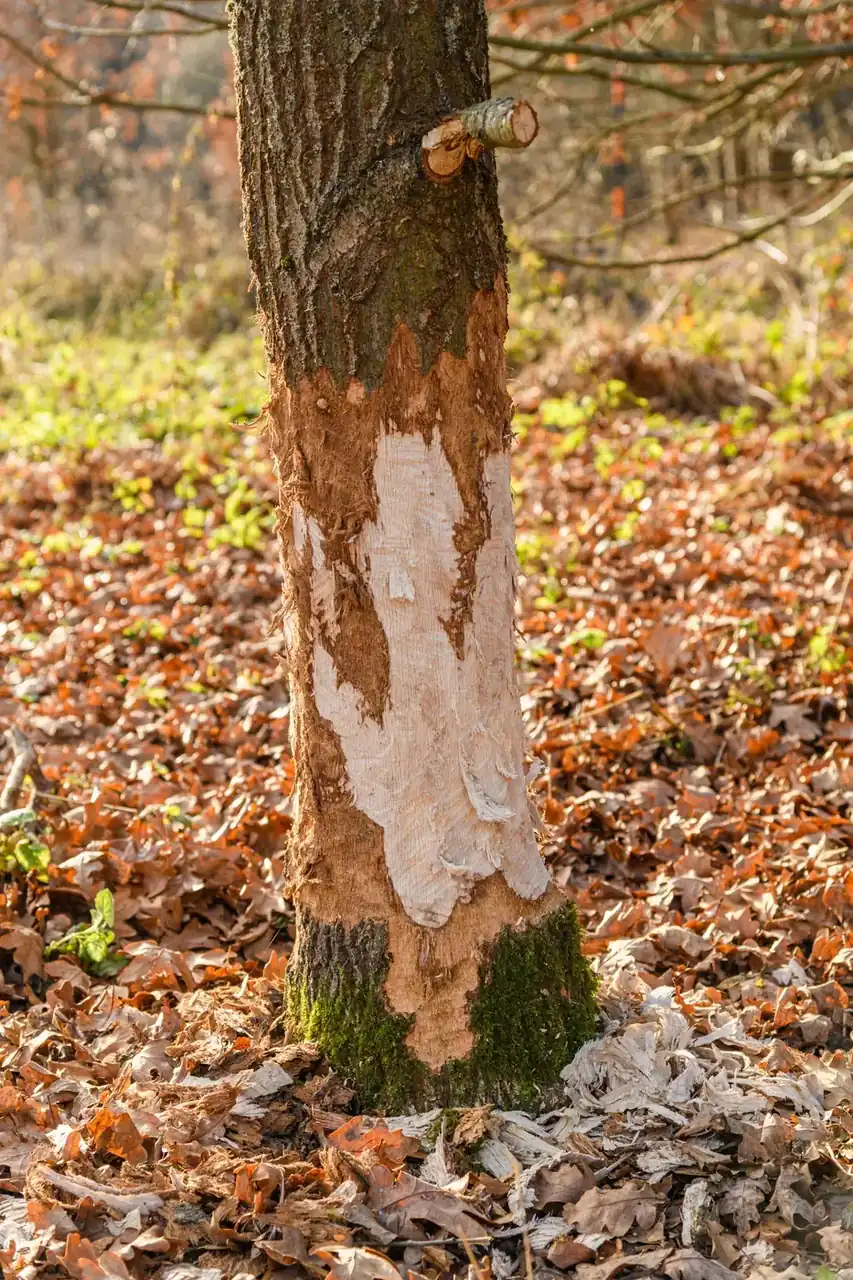
Tree Risk Assessment
A written evaluation of whether a specific tree is likely to fail, and what to do about it.
Shawnee County tree service questions
Which parts of Shawnee County do you serve?
Topeka, Silver Lake, Tecumseh, Auburn, Rossville, and Berryton, plus the rural ground around them. Topeka is about thirty minutes from our Lawrence yard, and it is a weekly route rather than an occasional trip.
Do I need a burn permit?
In Shawnee County, yes, for essentially any outdoor fire other than cooking in a grill or similar container. Permits come from fire districts, and some districts issue long-term permits in person. For anything larger than a small pile, mulching or chipping is usually the faster path.
Do the tree rules change between Topeka and the smaller towns?
Considerably. Topeka requires a Division of Forestry permit for work on public property and gives the City Forester authority to order abatement on private hazard and infested trees. Silver Lake gives owners sixty days from notice. Rossville sets street clearance at twelve feet and has no dead tree provision at all. Tecumseh and Berryton are unincorporated with no city code.
Is emerald ash borer confirmed in Shawnee County?
Yes, since 2017. It was found after a local arborist flagged a suspect tree and inspectors confirmed galleries and a live adult in an urban Topeka tree. Untreated ash across the county is now on a timeline set by the insect.
Why do trees fail differently north and south of the river?
Because the ground is different. Valley soil north of and along the Kaw is deep and holds water, so saturated conditions let root plates rotate and whole trees lie over with the trunk intact. On the cuesta uplands to the south, soil depth over limestone can be limited, so roots run wide and shallow and trees hold well in dry years then let go under wind on wet ground.
Do you cover all of Shawnee County?
Yes. We work Topeka, Silver Lake, Tecumseh, Auburn, Rossville, Berryton and the ground between them. If your address is rural and not near any of those, call and we will tell you straight away whether it is in range.
What trees are we dealing with in Shawnee County?
Mostly Silver maple, Siberian elm, Honeylocust, Green ash, Eastern redcedar, Cottonwood, Hackberry, Bur oak, Pin oak, and osage orange. Postwar Topeka neighborhoods are heavy with silver maple and Siberian elm. Both grow fast, both form weak branch unions, and both are the trees most likely to drop a limb in a June thunderstorm. Outside the city, Shawnee County turns to farm ground where eastern redcedar encroachment is the recurring clearing job.
How fast can you reach Shawnee County in an emergency?
We run out of Lawrence and answer storm calls around the clock. After a widespread wind or ice event every crew in the region is booked within hours, so we triage by hazard: trees on structures and blocked access first. You will get a real window rather than a hopeful one.
Is the estimate free?
Yes, and you do not need to be home. We walk the property, take measurements, and send the written quote the same day.
What happens next
Three steps, and the first one takes 45 seconds
No sales visit, no pressure, and a written number before anyone touches a saw.
-
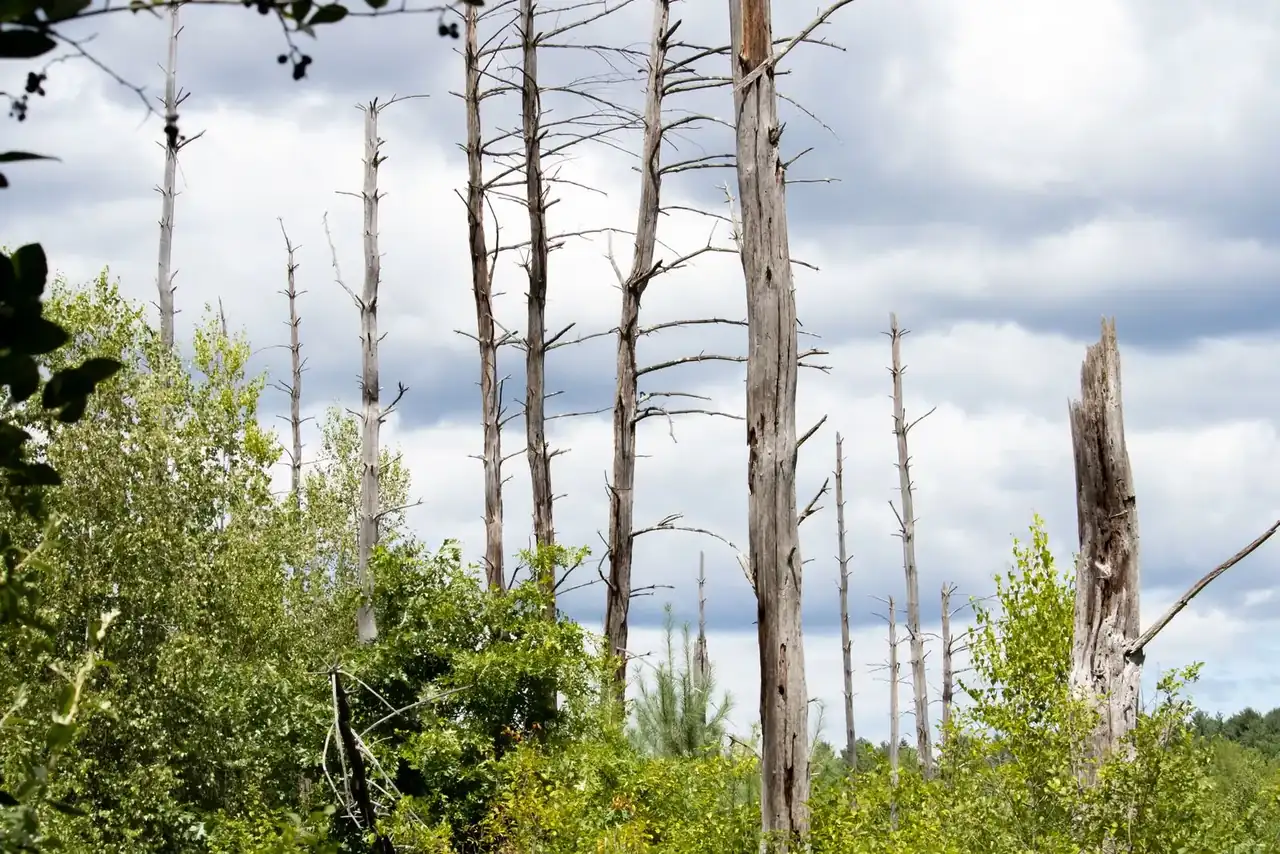 1
1 Tell us about the tree
Three questions, about 45 seconds. Or call and skip the form entirely.
-
 2
2 We come look at it
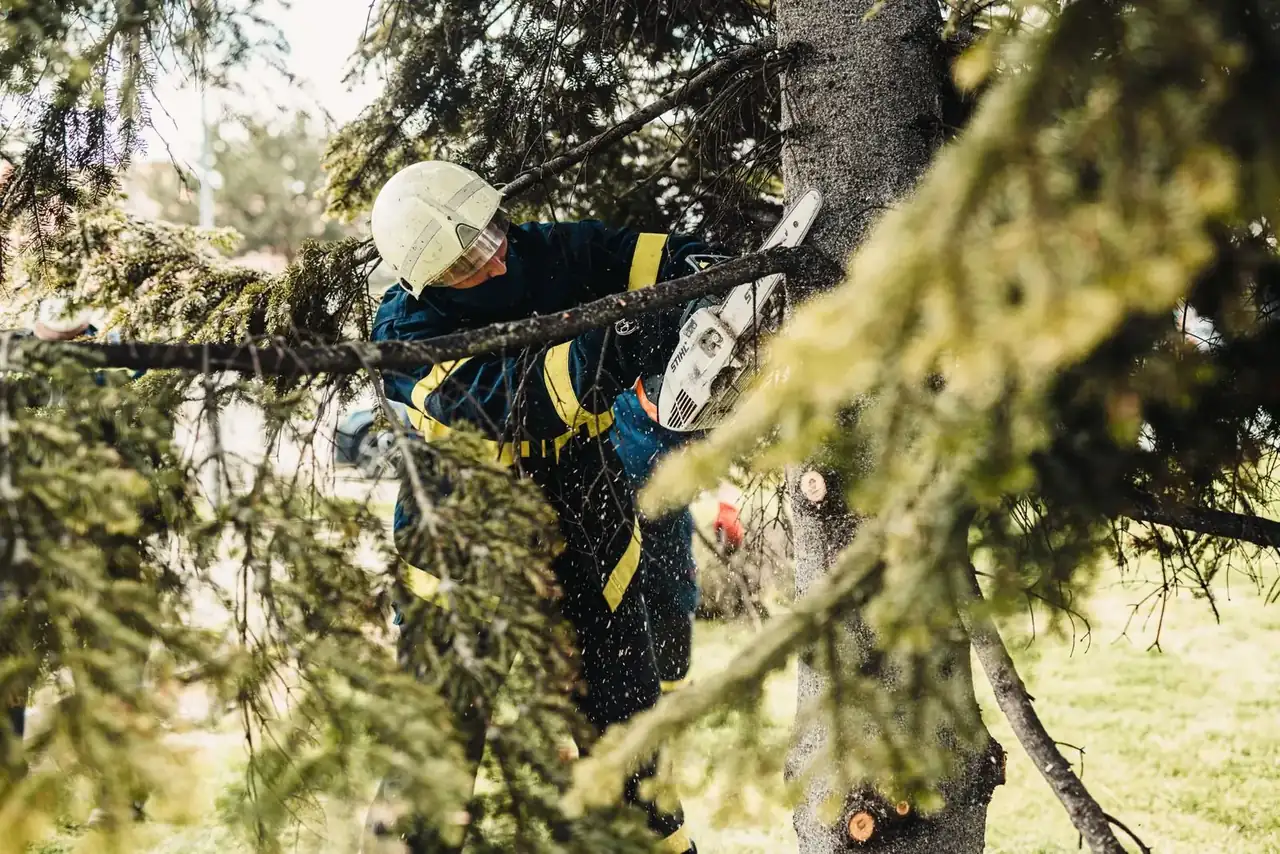
A certified arborist walks the property, checks access, and writes the quote on site. Free, and you do not need to be home.
-
 3
3 We do the work and clean up
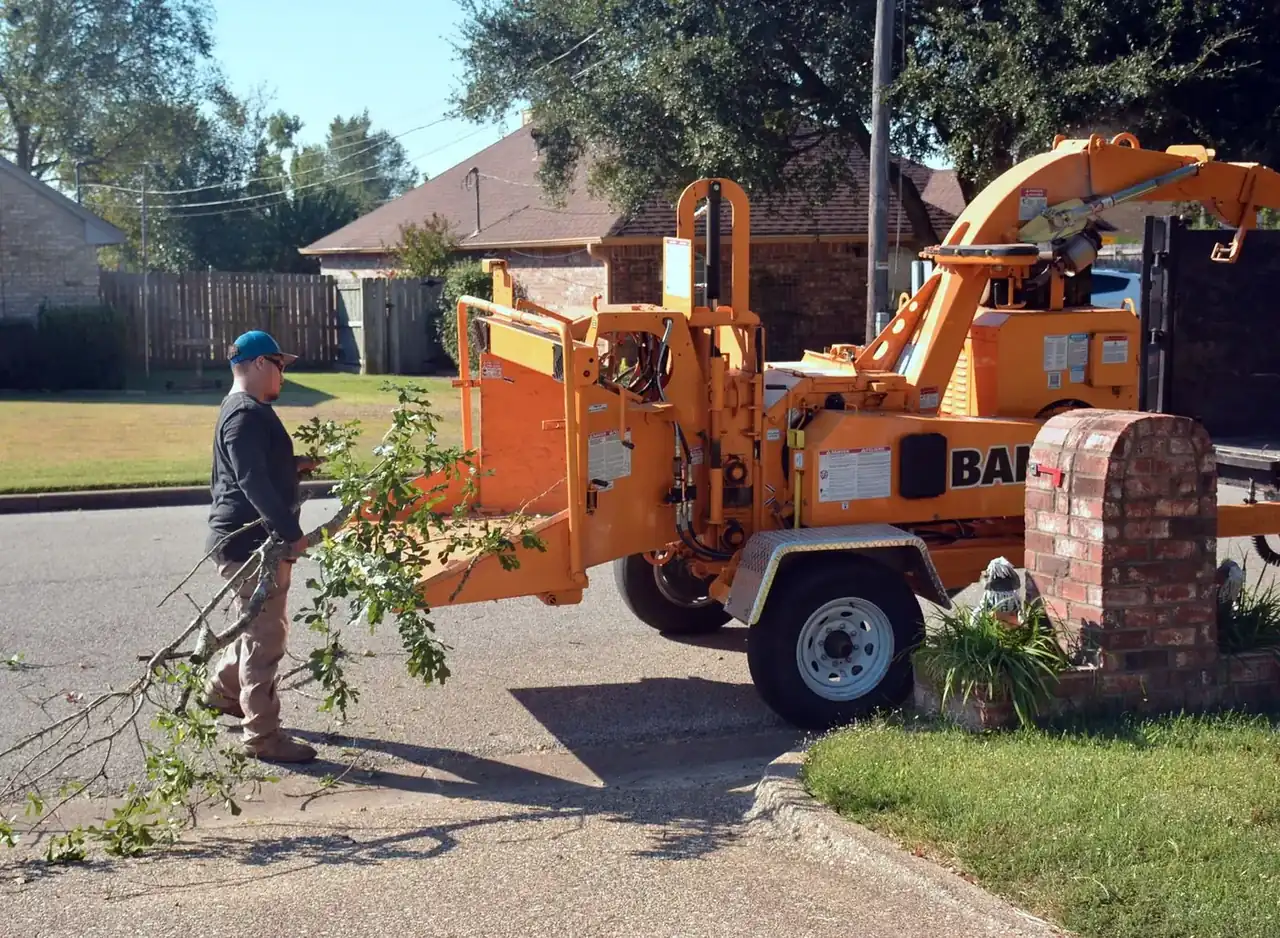
Crew arrives in the window we quoted. Chips, limbs, and debris leave with us unless you want them kept.
In a hurry? Call (785) 550-0100 and skip all three.
Every outdoor fire needs a permit here
Shawnee County is stricter about burning than the counties east of it. Under the county's open burning regulation, essentially all outdoor fires require a permit, with cooking fires in a barbeque grill or a similar non-combustible container as the practical exception. Permits cover dry clean trees, brush, yard and garden debris, wild grasses, and agricultural fields. Fire districts issue them, and some issue long-term permits in person at the station.
That single rule changes how brush disposal gets planned on this side of the county line. Where a Douglas County acreage owner checks a hotline and calls in, a Shawnee County owner needs a permit in hand before the pile exists. For most jobs we run the material through a chipper or a mulcher the day we cut it, which puts the organic matter back on the ground and removes the burn day from the schedule entirely.
- Permits are required for effectively all outdoor burning in the county
- Cooking fires in a grill or similar container are the exception
- Fire districts issue permits, some of them long-term and in person
- Chipping or mulching on the day of the work avoids the permit and the wind forecast
The river is the dividing line for everything
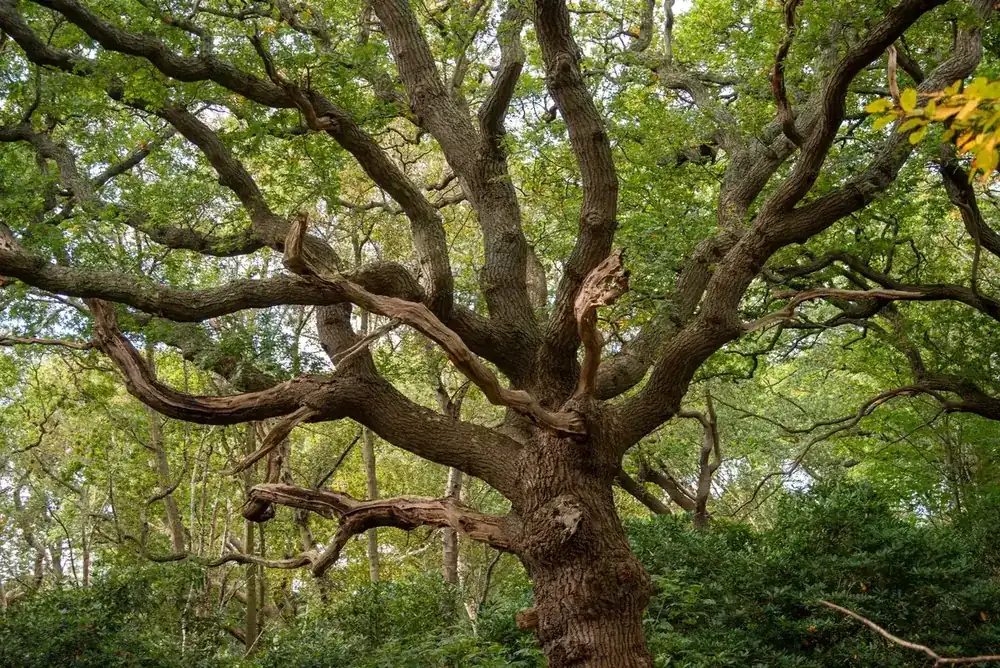
North of the Kansas River, Shawnee County is glaciated drift plain built from till, outwash, and loess, and the towns there sit in the valley: Silver Lake on an abandoned river channel, Rossville on Cross Creek. South of the river the ground rises into the Osage Cuestas, limestone and shale ridges with valleys between them, which is where Auburn and Berryton are.
Trees behave differently on each side. Valley soil is deep, holds water, and grows silver maple and cottonwood fast, with failures happening at the root plate after saturation. Cuesta ridges can have limited soil depth over rock, so roots spread wide and shallow and the timber trends toward bur oak, Osage orange, and redcedar. About sixteen percent of the county sits in a special flood hazard area, which is a useful number to hold onto when deciding what to plant near a creek.
Two events set the canopy: 1951 and 1966
In July 1951 the Kansas River crested at Topeka more than fourteen feet above flood stage, and the valley towns of Rossville, Silver Lake, and Tecumseh went under along with North Topeka. Fifteen years later, on June 8, 1966, an F5 formed in the southwest corner of the county near Auburn and ran about twenty-two miles northeast through Topeka and the Washburn campus, killing seventeen and destroying more than eight hundred homes.
The replanting after 1966 is why so much of the county's urban canopy is a single age class dominated by fast-shade species. Silver maple and Siberian elm both form branch unions with included bark, and both are the trees that come apart in a June thunderstorm. Emerald ash borer arrived later, confirmed here in 2017 after a local arborist reported it, and it has been steadily subtracting the ash that filled in around them.
Shawnee County at a glance
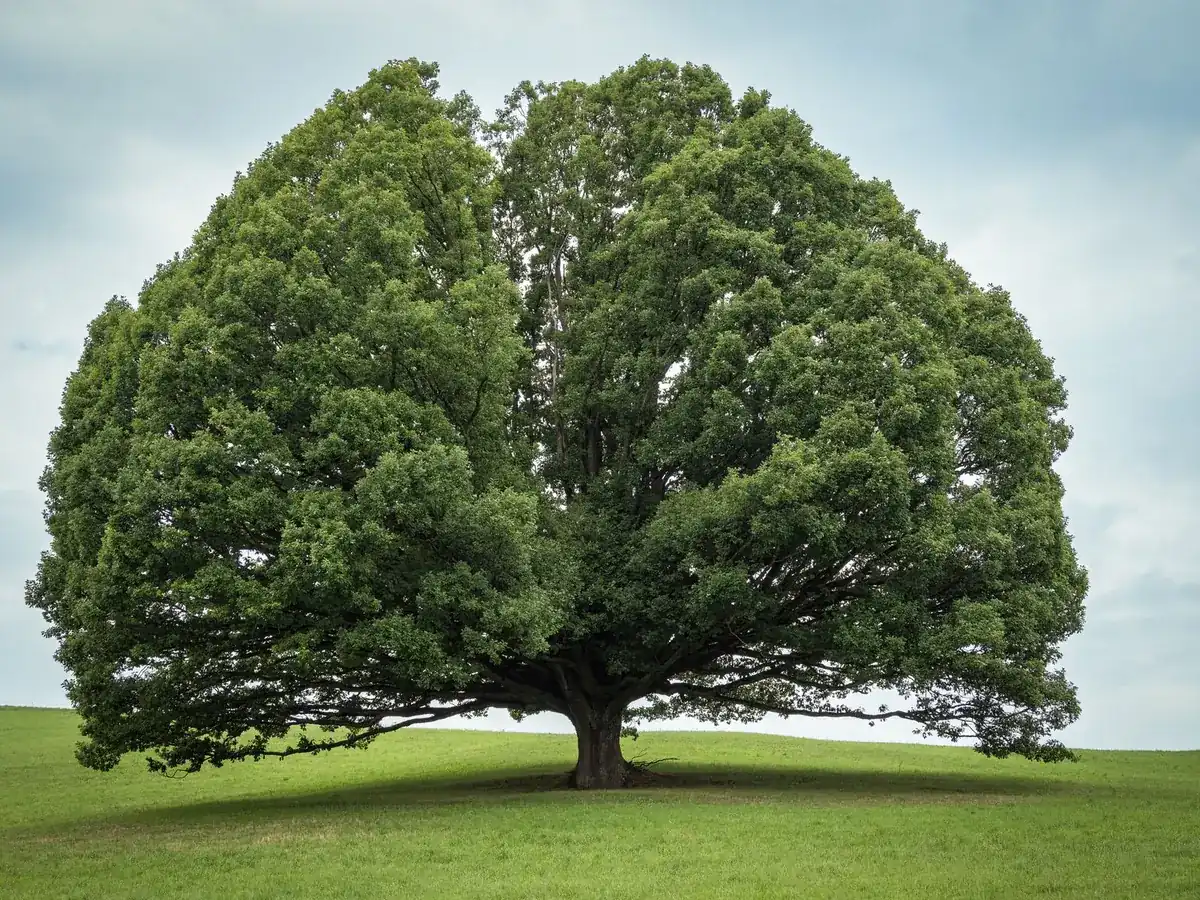
Postwar Topeka neighborhoods are heavy with silver maple and Siberian elm. Both grow fast, both form weak branch unions, and both are the trees most likely to drop a limb in a June thunderstorm. Outside the city, Shawnee County turns to farm ground where eastern redcedar encroachment is the recurring clearing job.
Other counties we cover
Free estimate in Shawnee County
Free, no obligation. We call back within 15 minutes.
Got it.
We call back within 15 minutes during business hours.
That did not send. Call and we will take it down over the phone.
(785) 550-0100Coverage
Lawrence, Topeka, and everything between
We run out of Lawrence and cover 14 towns across 5 counties. If your town is not pinned, call anyway. We are usually closer than you think.
- Home base
- Lawrence, KS
- Storm calls
- 24 / 7