Should I Cut Down This Tree?
How to decide whether a Lawrence or Topeka tree needs to come down, can wait, or just needs a trim. Written for the call you make before you book a removal.
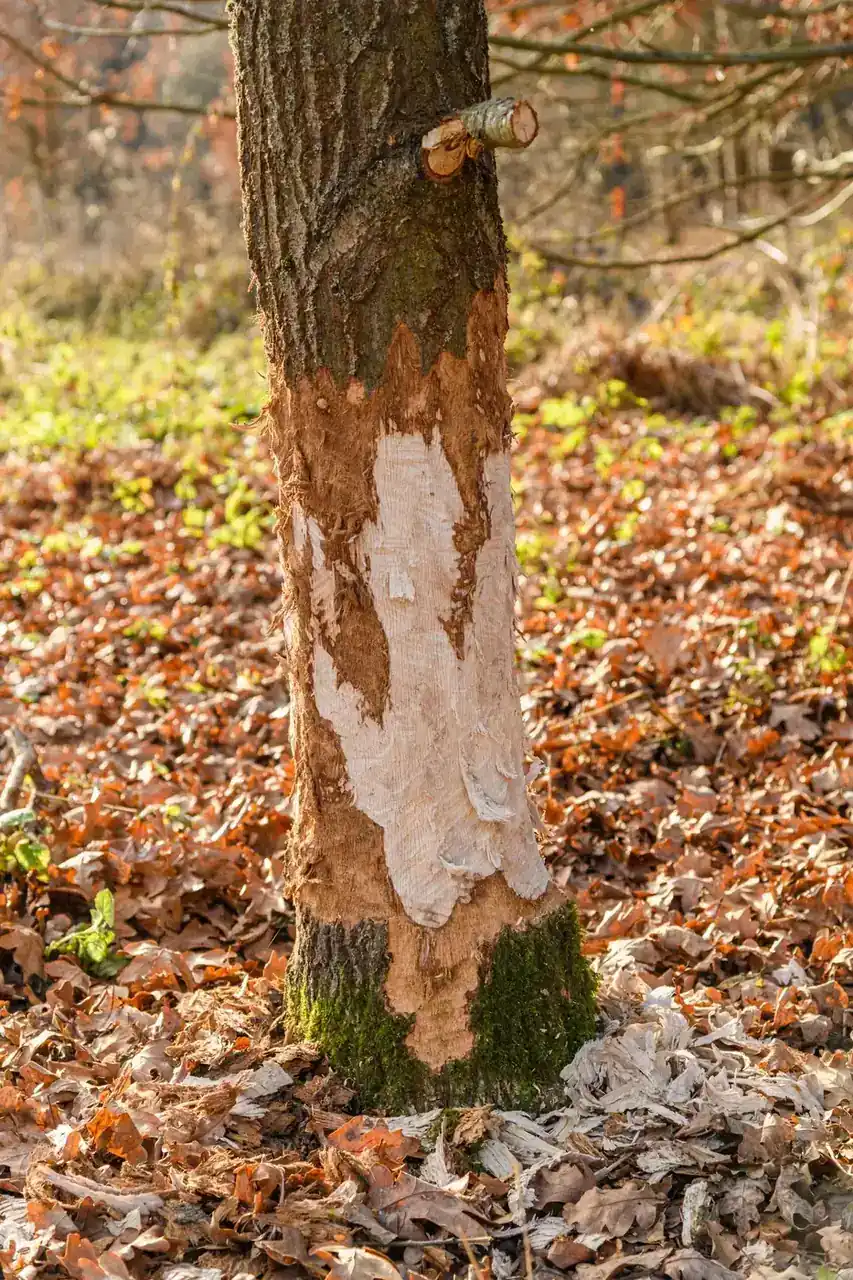
Most people who call us already have a feeling. The tree looks wrong, it made a noise in the last storm, or someone left a card on the door that said it had to come down this week.
Sometimes that feeling is right. Sometimes the tree needs a trim, a cable, or a look again in two years. The question is how to tell those apart before you pay for a removal.
When the tree should come down
A few signs do not wait.
The soil on one side of the trunk is cracked, raised, or mounded. That is the root plate starting to lift. The whole tree is beginning to tip.
A vertical crack opens and closes when the wind moves the canopy. Horizontal bark cracks are common. A seam running up the trunk is not.
The tree leaned more this year than last. A lean the tree has always had is usually fine. A lean that appeared after a wet spring or a June storm is a different job.
Mushrooms or conks at the base mean decay inside. The canopy can still look full. The wood under the bark may not.
Green ash in Douglas County and Shawnee County sit on a clock. K-State Research and Extension has emerald ash borer confirmed in 13 northeast Kansas counties. An untreated ash that is already thinning at the top is cheaper to take down while a climber can still get into it. Dead ash goes brittle. Brittle wood needs a bucket or a crane.
Scots pine that turned brown in a few weeks in late summer is pine wilt. K-State wants that tree down and chipped or burned before May 1, because the beetles that carry the nematode hatch out of standing dead wood.
When a trim is the right job
Silver maple and Siberian elm were planted all over Topeka and Lawrence after the war. Both grow fast. Both form weak unions that split in a straight-line wind.
A dense canopy acts like a sail. Thinning lets air through. Clearing 6 to 10 feet off a roof or the service drop is the usual weekday call. That is tree trimming, not a takedown.
Oaks stay in the dormant window. Do not prune oaks between April and July. That is when the beetles that spread oak wilt are moving, and pin oak and bur oak sit on a lot of older blocks here.
If the tree is too big for the lot, a crown reduction at proper cut points gets clearance without topping. Topping leaves stubs that cannot close.
When you should pay for a look, not a saw
Plenty of visits end with a note. Look at it again in two years. Put a cable in the union. Take one limb and leave the rest.
We charge for a hazard tree evaluation on its own so that recommendation is not tied to a removal quote. The walk covers the root plate, the trunk, the unions, and what sits under the canopy if something fails.
If another company already told you the tree has to come down, that is a fair reason to get a second set of eyes on it. Kansas has no statewide license for tree work. A card left after a storm is not a diagnosis.
What we need from you on the phone
Trunk diameter at chest height beats height. Tell us what sits under the tree: house, garage, fence, service drop. Tell us whether a truck can reach it or everything walks through a 36 inch gate.
We write the price on site in Lawrence and Topeka. Monday to Friday, 8 to 5. Call (785) 371-4859.
If the tree is already on the house during those hours, say so first. That job goes to the front of the weekday queue.
Questions this article usually raises
Should I cut down a tree that looks healthy?
Only if it is in the wrong place or the structure under it cannot take a failure. A healthy tree in a bad spot is still a removal. A healthy tree with room and sound unions usually stays.
Who decides if a tree has to come down in Kansas?
On private property, you do. Street trees and right of way trees belong to the city. If you are not sure which side of the curb line you have, we check before we quote.
Services in this article
Relevant service areas
Keep reading
- Pine Wilt Is Why Your Windbreak Has Gaps Pine wilt kills a mature Scots pine in a single season and there is no cure once it takes hold. What Kansas landowners can do about the trees still standing.
- Oak Wilt in Kansas: Why Oaks Wait Until Winter Oak wilt is in northeast Kansas. Why pin oak and bur oak stay off the saw from April through July, and what to do after a storm cut.
- Seven Signs a Tree Is About to Fail What to look at when deciding whether a tree is a hazard, and which warning signs are urgent versus worth watching.