Tree Assessment
Tree Health Diagnosis in Lawrence and Topeka
Time with an experienced crew lead to diagnose a problem or plan work on your trees.
Free written estimates · Cleanup included · Monday to Friday, 8 to 5
What the job includes
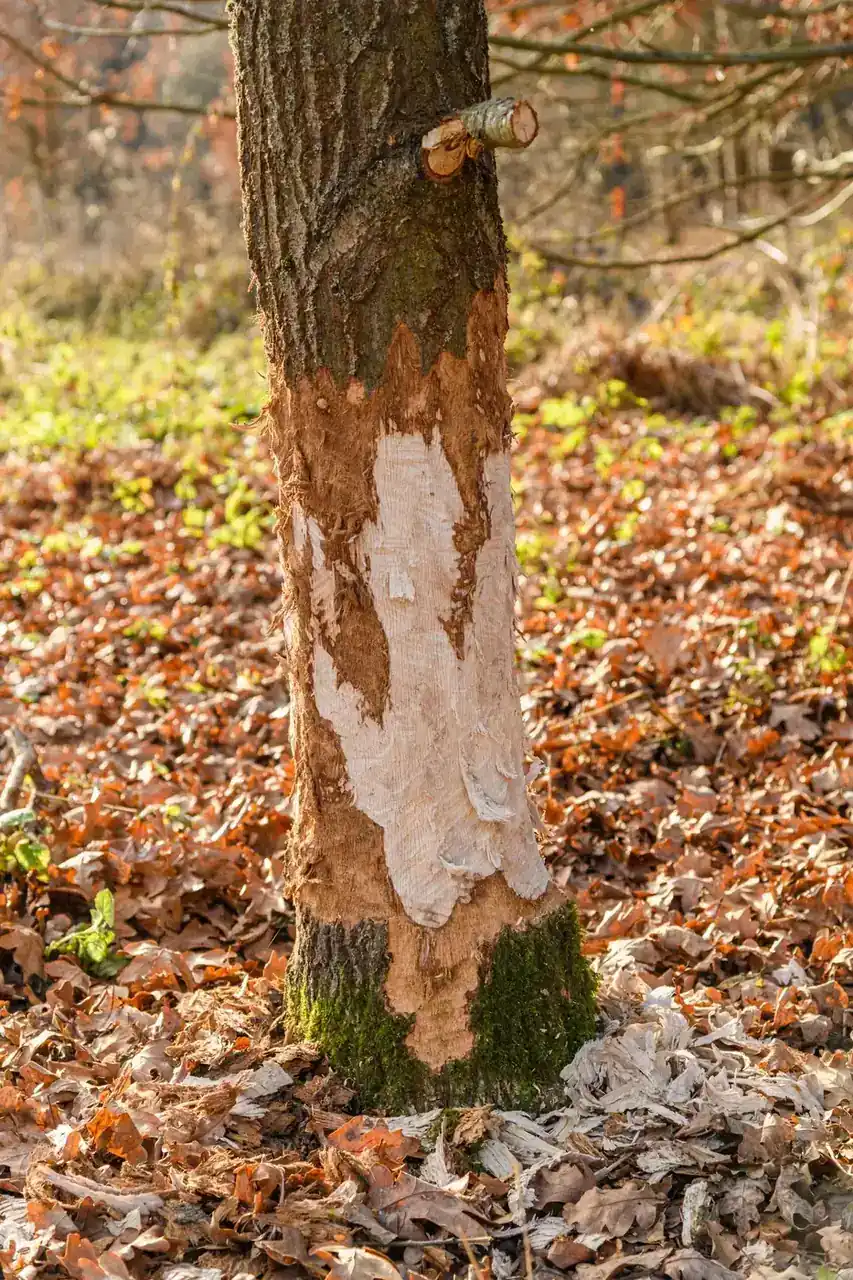
- Diagnosis of decline, dieback, and pest damage
- Second opinions on removal recommendations
- Construction impact planning before you break ground
- Long term care plans for properties with mature trees
What an hour on your property gets you
A tree health diagnosis is time and judgment, not a bid. You get someone who looks at the tree, the soil, the site history, and the species, and tells you what is happening and what each option costs. Sometimes the answer takes ten minutes. Sometimes the visit turns into a soil sample and a lab submission. Either way you leave knowing what you are dealing with instead of guessing at it.
The most common version of this call in Lawrence and Topeka runs like this: a tree looks worse than it did last year, one company has already said it needs to come out, and the owner wants to know whether that is true. That is a good use of a paid visit. So is the version where nothing is wrong yet and someone wants to protect four mature bur oaks before a contractor breaks ground.
HomeGuide puts consultation and inspection at $100 to $250 nationally, with a one hour minimum, and hourly work in the $100 to $250 range. Kansas specific consultation fees are not published anywhere reliable, so those national numbers are the honest reference point rather than a local quote.
- Diagnosis of decline, dieback, leaf drop, and pest damage
- Second opinions on a removal recommendation from another company
- Construction impact planning before excavation, grading, or trenching starts
- Species and site advice before you plant anything
- Long term care plans for properties carrying several mature trees
How the visit runs
Have a rough history ready if you can. When the symptom started, what it looks like in July versus October, whether anything has been done to the ground inside the drip line in the last five years, and whether irrigation or drainage has changed. That history solves more cases than anything we can see on the tree itself.
A gas line trenched through a root zone in 2021 explains a canopy that started thinning in 2023 more reliably than any insect we might find on the leaves.
- 1 Walk the site and note grade changes, trenching scars, new hardscape, and where water goes
- 2 Identify the species properly, because the diagnosis often turns on it
- 3 Inspect the root collar, trunk, unions, and canopy in that order
- 4 Pull a soil sample when the symptom pattern points to pH or nutrient lockout rather than a pest
- 5 Take a lab sample where confirmation changes the treatment, as it does with oak wilt
- 6 Lay out the options with the cost of each, including the option of doing nothing this year
- 7 Put it in writing if you need a document for a board, an insurer, or a buyer
Second opinions are worth the fee
When the company that diagnosed the tree is the company that would remove it, the diagnosis and the invoice are the same conversation. That does not make the diagnosis wrong. It makes it worth checking, and the checking costs a small fraction of the removal.
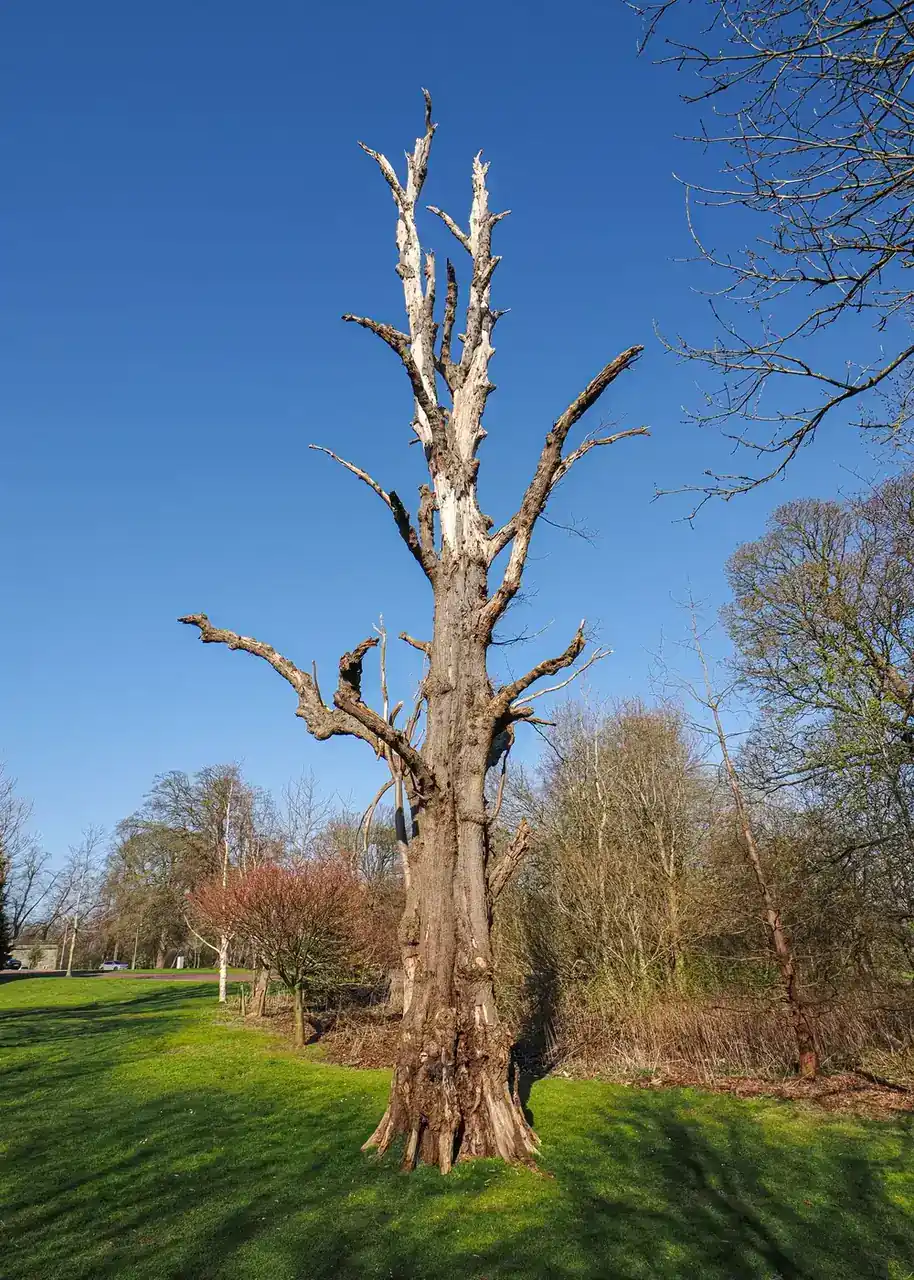
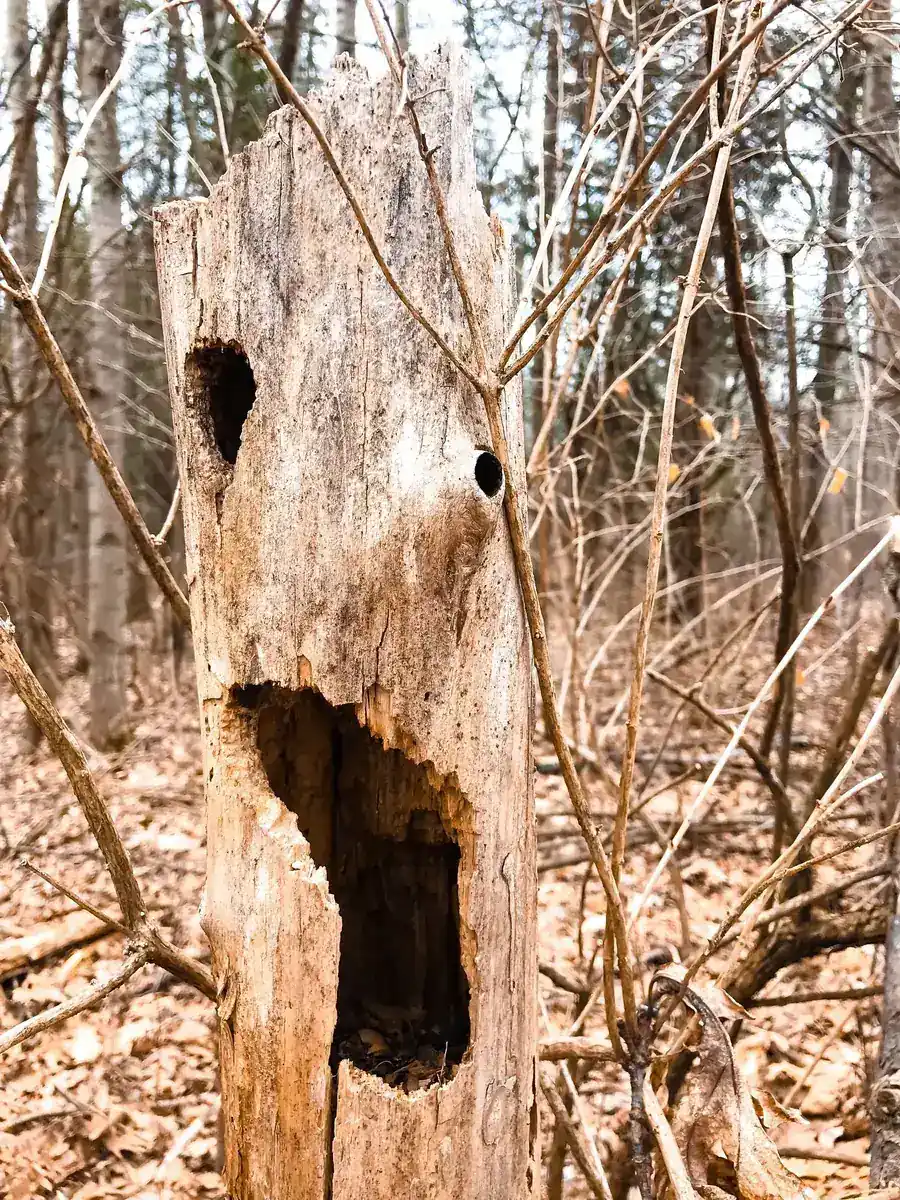
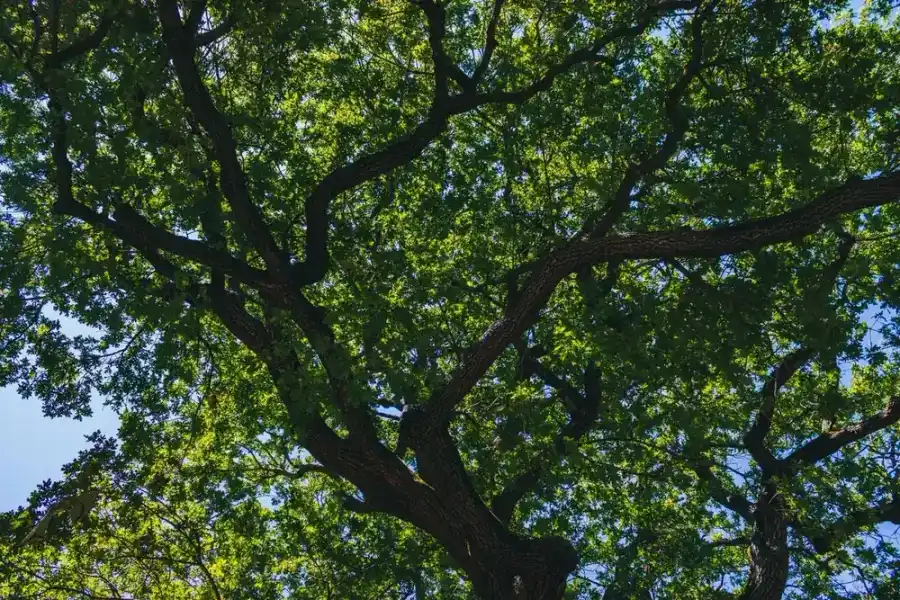
The trees most often condemned unnecessarily around here are mature bur oaks with visible cavities and pin oaks with iron chlorosis. A bur oak compartmentalizes decay well and can carry a cavity for decades. Chlorosis is a soil chemistry problem that responds to treatment. Both trees look alarming to someone selling removals.
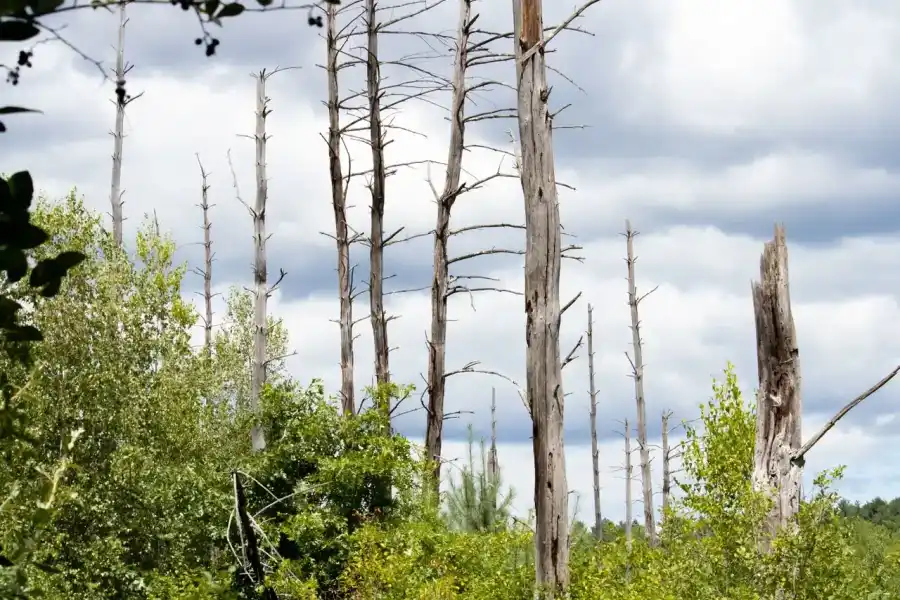
The trees most often kept too long are ash with more than half the canopy gone and pines that have already browned out. Those are the calls where a second opinion usually confirms the first one and adds a deadline to it.
Construction is the slow killer
A tree that dies four years after a house is built usually died during the build. Root damage does not show up in the canopy the same season it happens. The tree spends its stored reserves keeping leaves on, and then runs out.
Three things do the damage. Cutting roots inside the drip line for a footing or a utility run removes a share of the absorbing system that never comes back. Driving loaded equipment over the root zone compacts the soil until water and air stop moving through it. Adding six inches of fill over the root zone buries the flare and suffocates the fine roots near the surface.
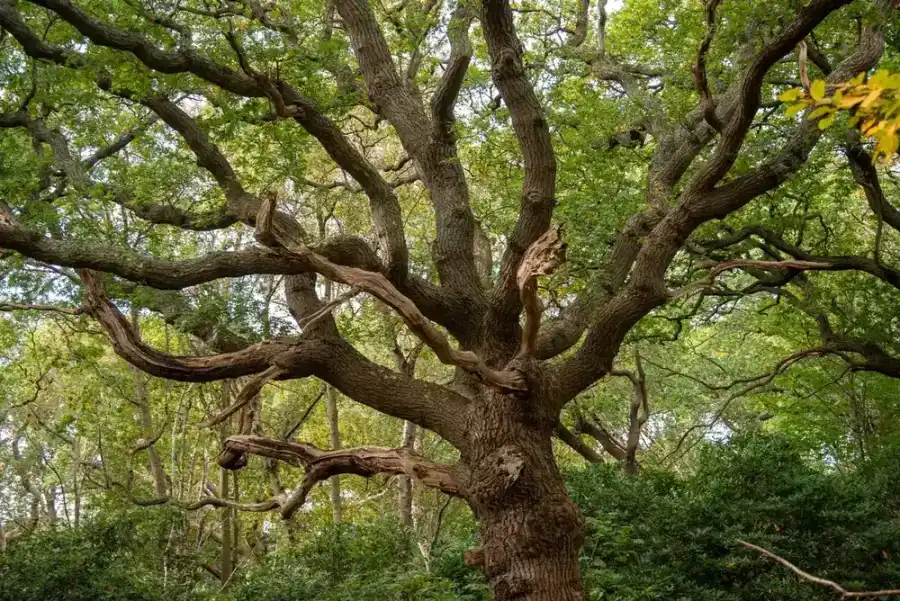
All three are cheap to prevent and impossible to reverse. Fenced root protection zones set before the first machine arrives, utility runs routed outside the drip line or bored under it, and one designated equipment path are the whole program. A visit before the build costs less than replacing a fifty year old bur oak, which cannot actually be replaced at any price.
- Root protection fencing set at or outside the drip line before equipment arrives
- Utility runs bored under the root zone rather than trenched through it
- One designated access route so compaction stays confined to a single strip
- No fill, spoil piles, or material storage inside the protected zone
- Written recommendations you can hand to the general contractor
Hiring in a state that licenses nobody
Kansas has no state licensing requirement for tree removal companies. Anyone with a saw and a truck can print cards and knock on doors the week after a storm. There is no number to look up and no board to call, which leaves what a company will put in writing as most of what a property owner has to go on.
Ask any company quoting work on your property for the scope and the price in writing before anyone leaves the ground, with hauling and cleanup either stated as included or priced as their own line. A bid that leaves that unstated is the one that grows after the chipper is already running.
A paid visit is also where you find out whether the person diagnosing your tree can name the species without hesitating. That sounds like a low bar. It filters more than you would expect.
When a diagnosis is not what you need
Some calls do not need a paid visit and we will say so on the phone. A tree that is clearly dead, a limb already hanging over the driveway, or a stump you want ground are all jobs to quote, not problems to diagnose. Those get a free estimate and a date on the calendar.
Storm damage is usually the same story. A torn limb needs a clean cut back to the collar and the ground needs clearing, and neither of those requires a diagnosis first. The exception is a tree that lost a large share of its canopy or shows a split trunk or a lifted root plate, where whether it stays is a real question worth answering in writing before anyone spends money on cleanup around it.
The calls worth paying for are the ambiguous ones. A tree declining slowly with no obvious cause, a second opinion on somebody else's removal recommendation, a species question before planting, a construction project about to start near mature trees, or a property where several trees need to be ranked and budgeted rather than dealt with one at a time.
What this costs and how long it takes
$100 to $250 for an inspection, $150 to $450 for a written report
HomeGuide national ranges. Diagnostic visits commonly bill at $100 to $250 an hour with a one hour minimum.
These are published cost ranges for Kansas and national industry averages, not a quote. Every tree is different, and the only way to know what yours costs is a free on-site look.
What moves it up or down
- Hard access or a tight spaceadds 25 to 50 percent
- Several trees on one visitsaves 10 to 25 percent per tree
- Peak season, summer into falladds 10 to 20 percent
- A crane is requiredadds $500 or more
- Permit, where one is needed$60 to $450
Tree Health Diagnosis questions
Another company told me my tree has to come down. Should I get a second opinion?
If the company that diagnosed it is the company that would remove it, yes. A paid diagnosis costs a small fraction of a removal and sometimes saves the tree. Mature bur oaks with cavities and pin oaks with iron chlorosis are the two most commonly condemned trees around here that did not need to come out.
Can you diagnose from photos I send?
Sometimes. Bagworms, iron chlorosis, and obvious storm damage are usually identifiable from good photos. Root collar problems, internal decay, and anything that needs the whole tree in context are not. We will tell you which one you have rather than guess at it.
Do you charge for the diagnosis or is it free?
Diagnosis and advice are charged, because that is the product. Estimates for work you have already decided to do are free. The fee gets credited against the job when you book it with us.
Who actually looks at the tree?
The person who walks your property and writes up what they found. Kansas requires no license and no credential for this work, so the things worth judging are whether that person can name the species without hesitating, point at what they are reading on the tree in front of you, and put the reasoning in writing where you can check it against a second opinion.
How long does the visit take?
About an hour for one or two trees, including the walk and the conversation. A property inventory takes considerably longer. Written reports are produced after the visit rather than handed over during it.
I am buying a house with big trees. Is this worth doing before closing?
Yes, and it is one of the better uses of the money. Home inspectors do not assess trees. A mature silver maple with root collar decay standing over the roof is a five figure problem that no standard inspection will flag.
Can you write a report my HOA board will accept?
Yes. Board level reports include the inventory, condition ratings, photographs, a recommendation for each tree, and a cost estimate the board can vote on. HomeGuide puts multi tree consultation and reports at $300 to $700 nationally.
My builder says the trees will be fine. Should I believe him?
Ask what the root protection plan is. If the answer does not include fencing set before equipment arrives, a single access route, and utility runs bored rather than trenched through the root zone, there is no plan. Trees killed during construction usually die three or four years later, long after everyone has moved on.
Request a free estimate
Free, no obligation. We call back within 15 minutes.
Got it.
We call back within 15 minutes during business hours.
That did not send. Call and we will take it down over the phone.
(785) 371-4859Tree Health Diagnosis in progress
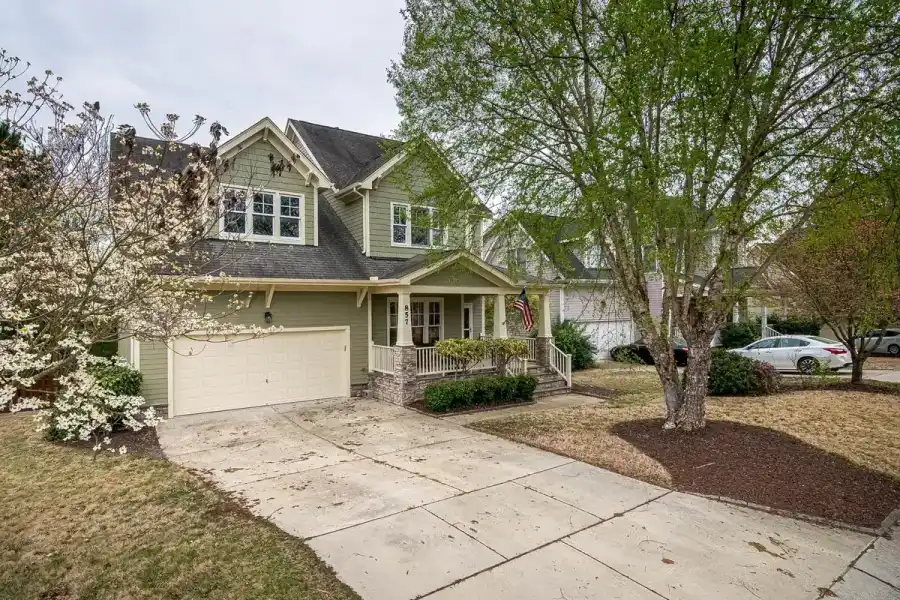
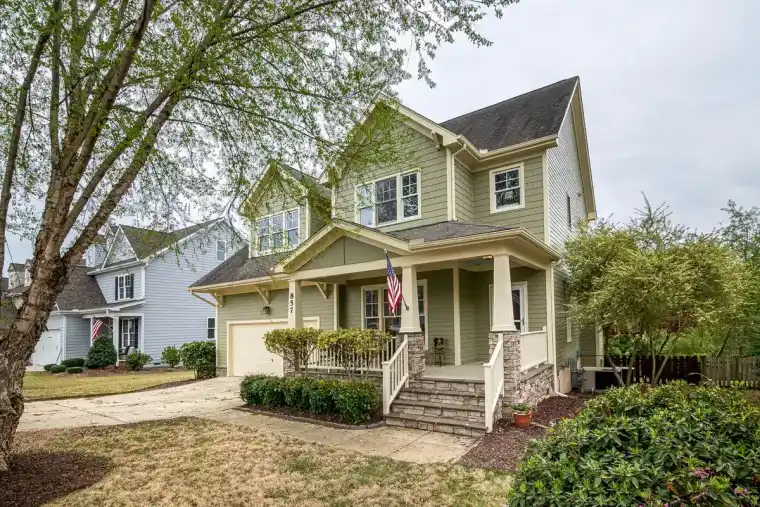
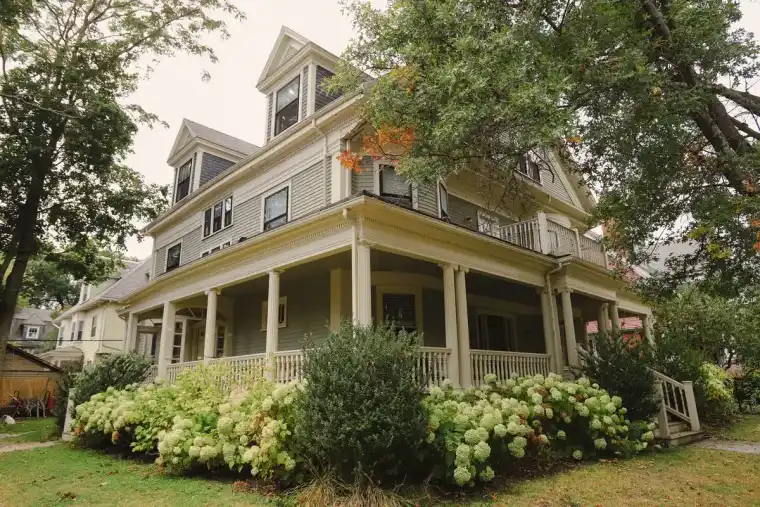
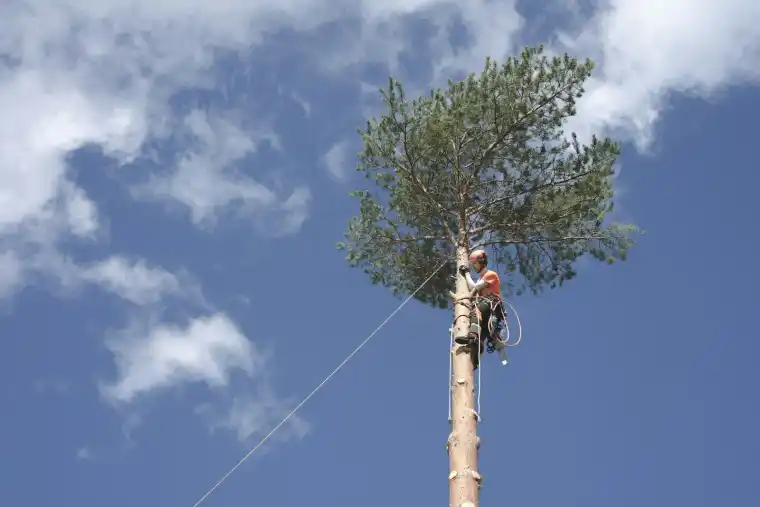
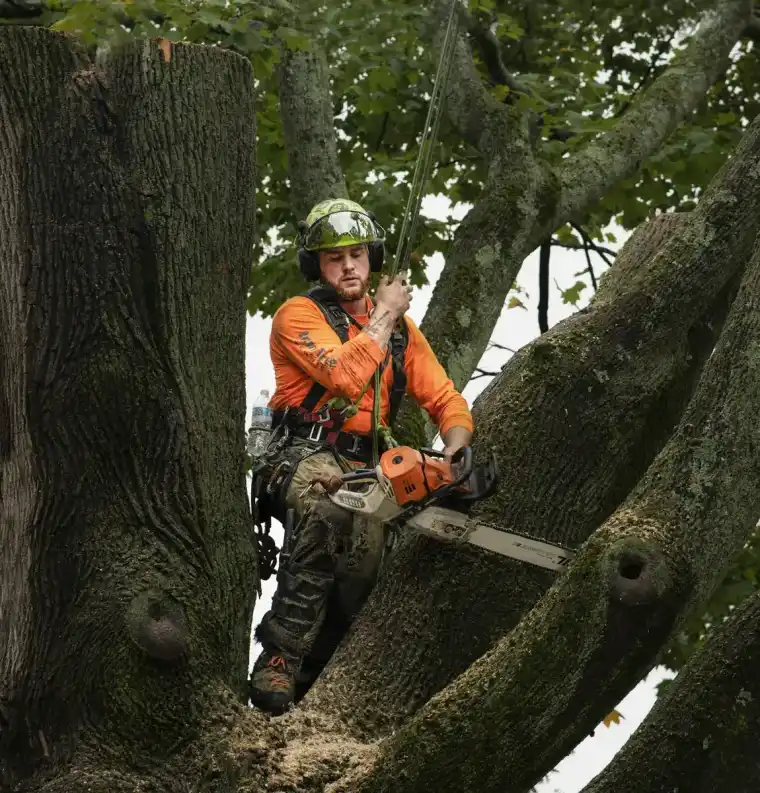
Representative of the work. Real job photography replaces these as the crews document jobs.
Coverage
Lawrence, Topeka, and everything between
We cover 14 towns across 5 counties. If your town is not pinned, call anyway. We are usually closer than you think.
- Home base
- 2229 Marvonne Rd
Lawrence, KS 66047 - Hours
- Mon to Fri
Often booked together
More in Tree Assessment
Tree Health Diagnosis near you
Customer reviews
What Lawrence and Topeka say
Real reviews from real Lawrence and Topeka customers.